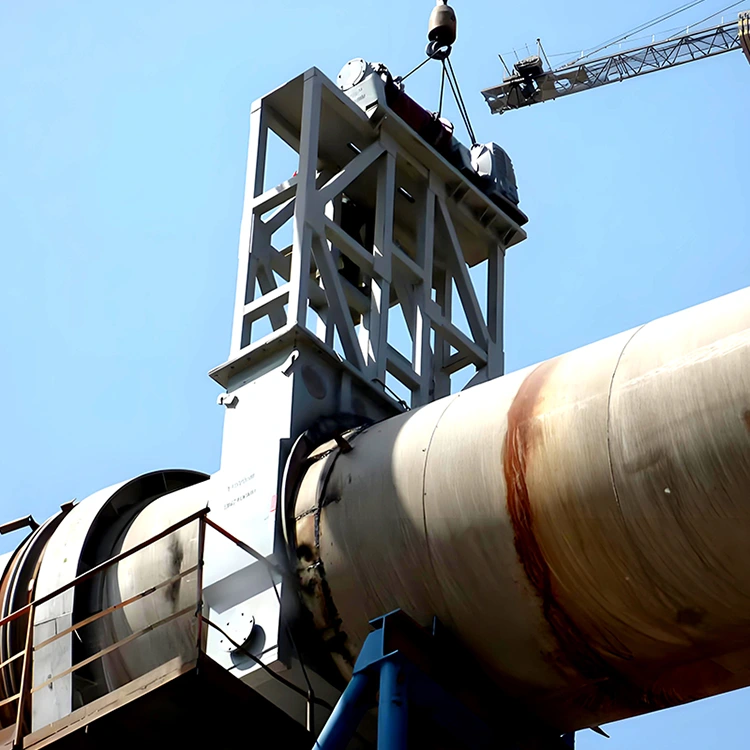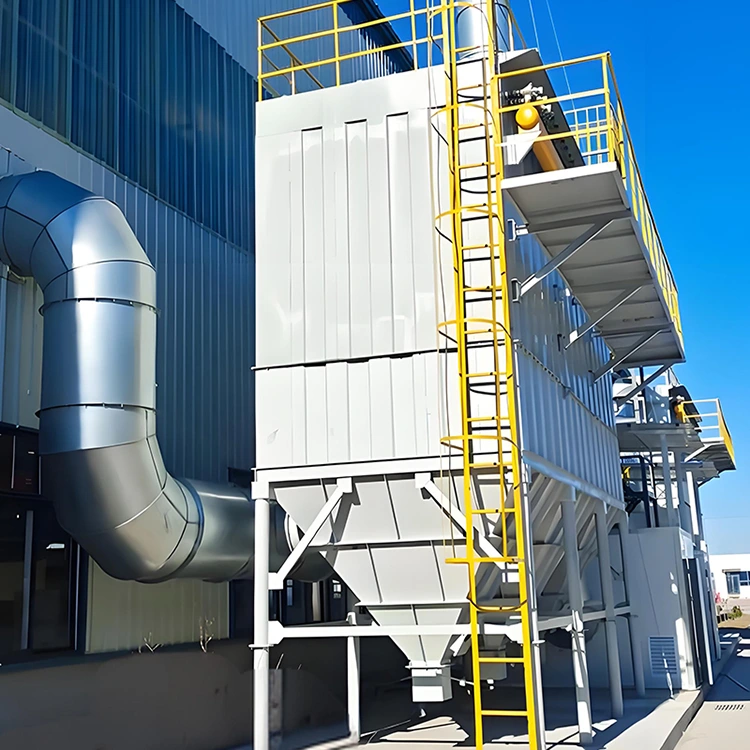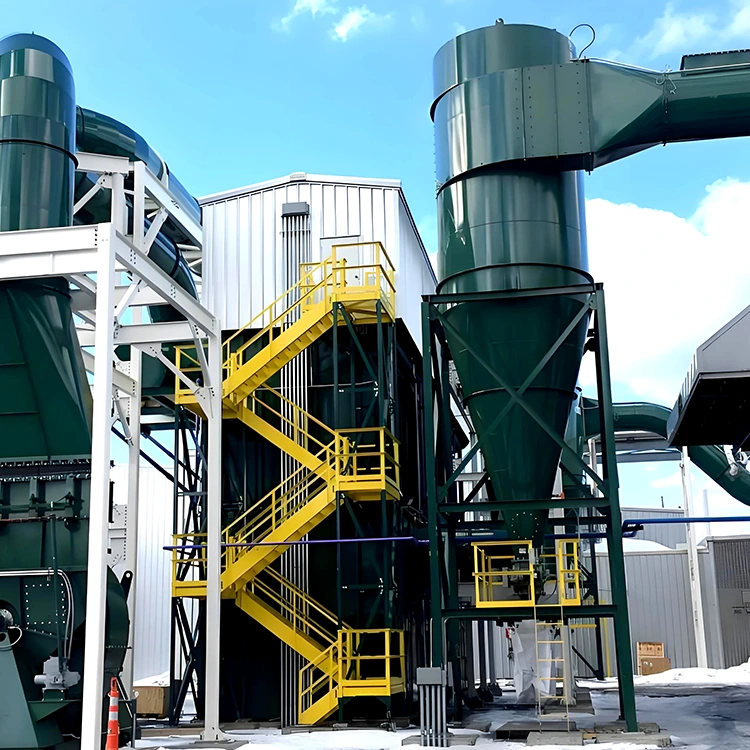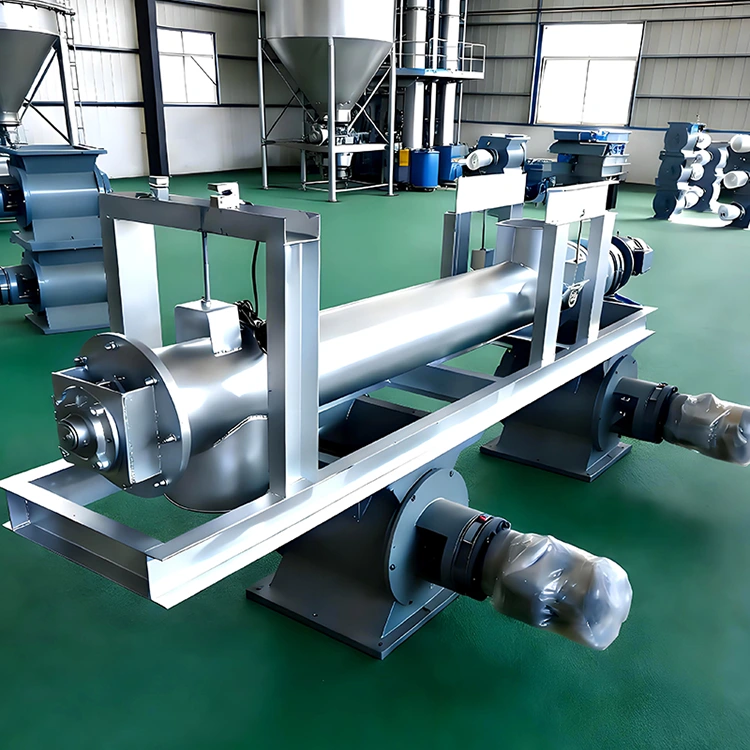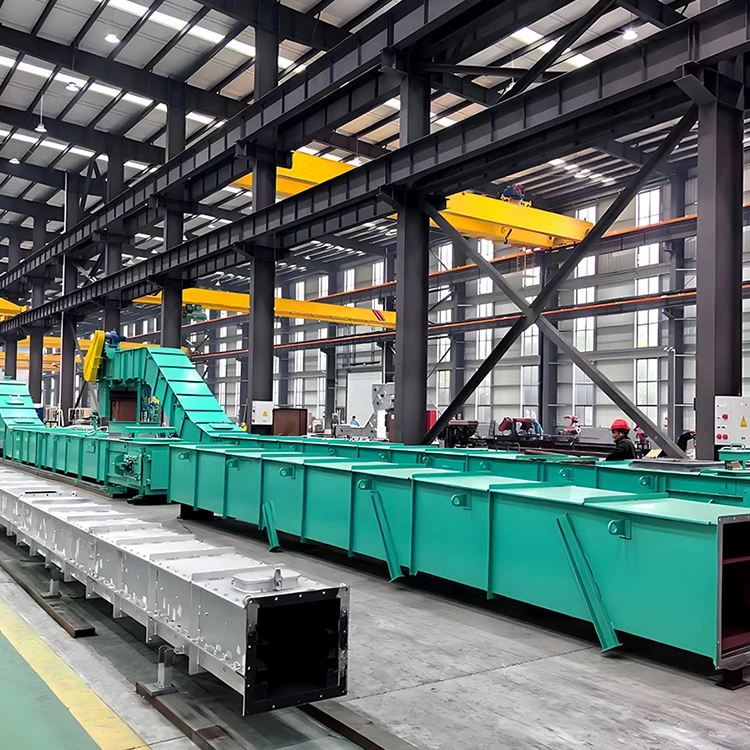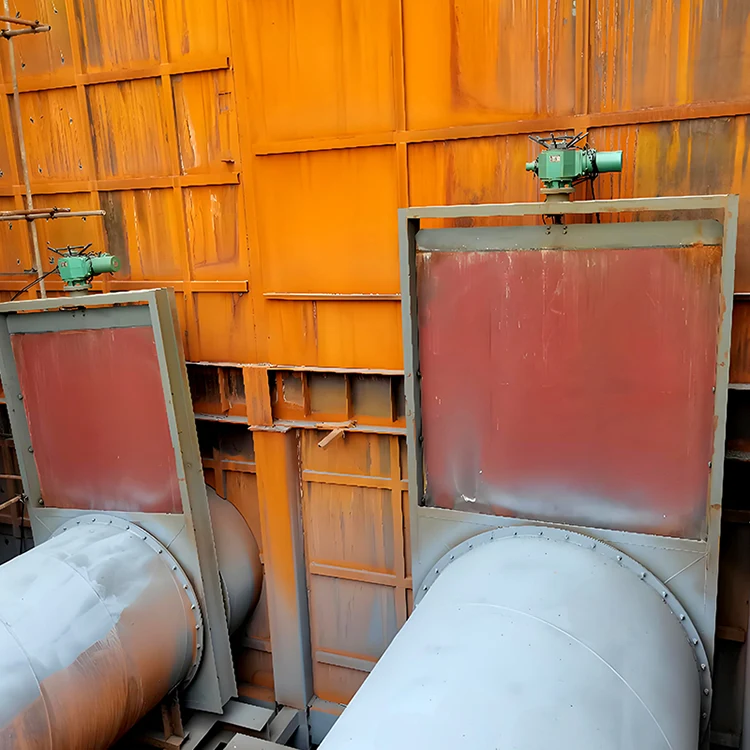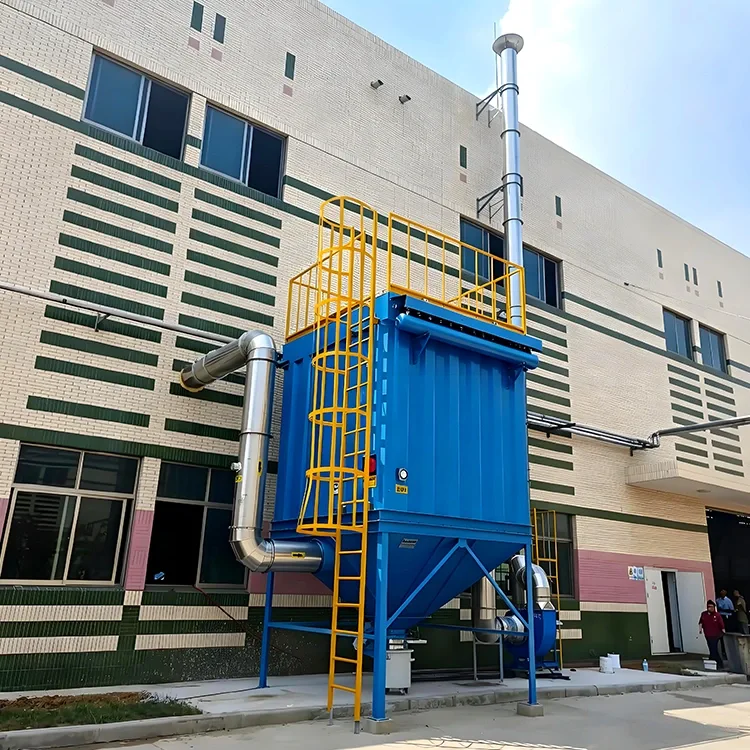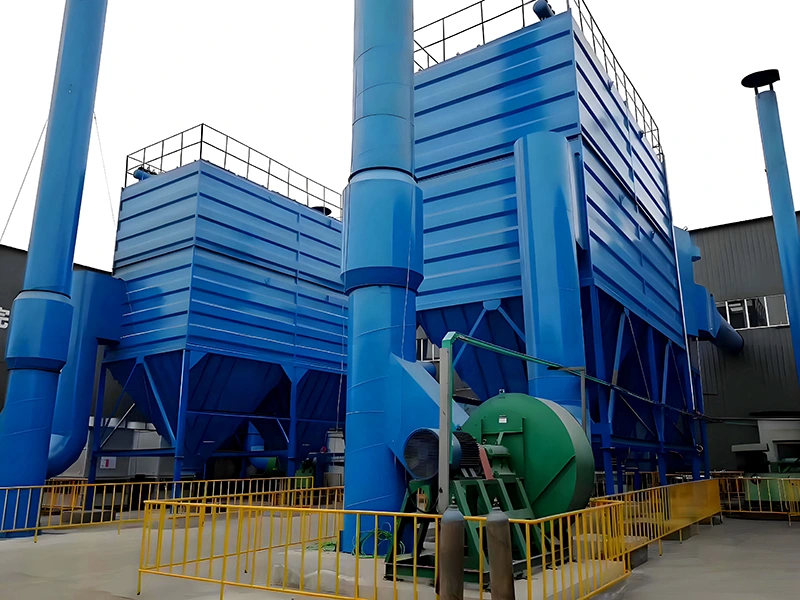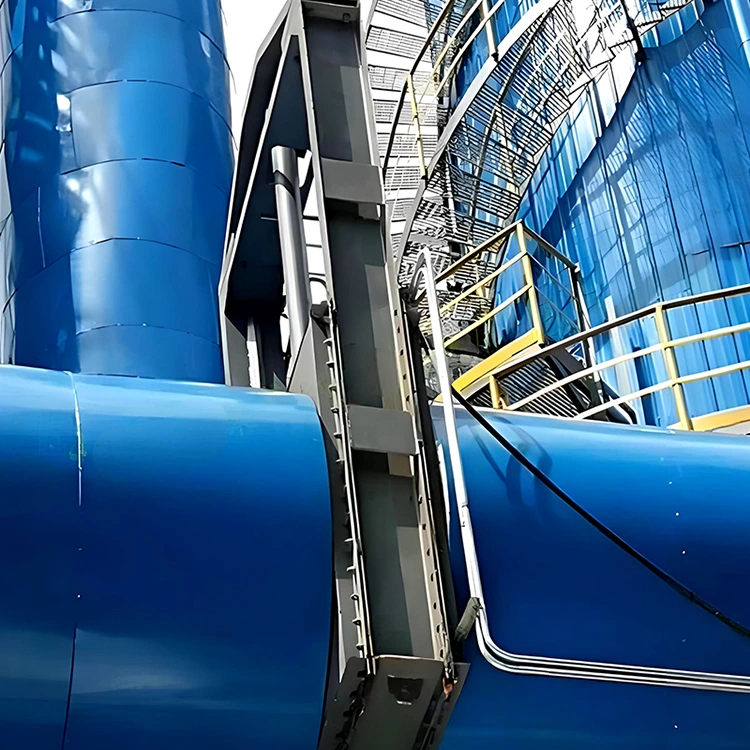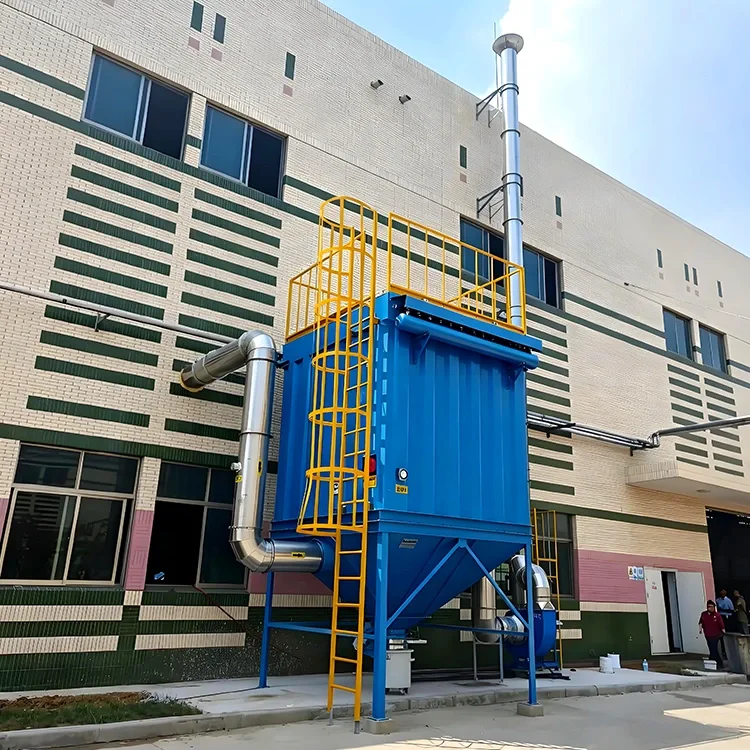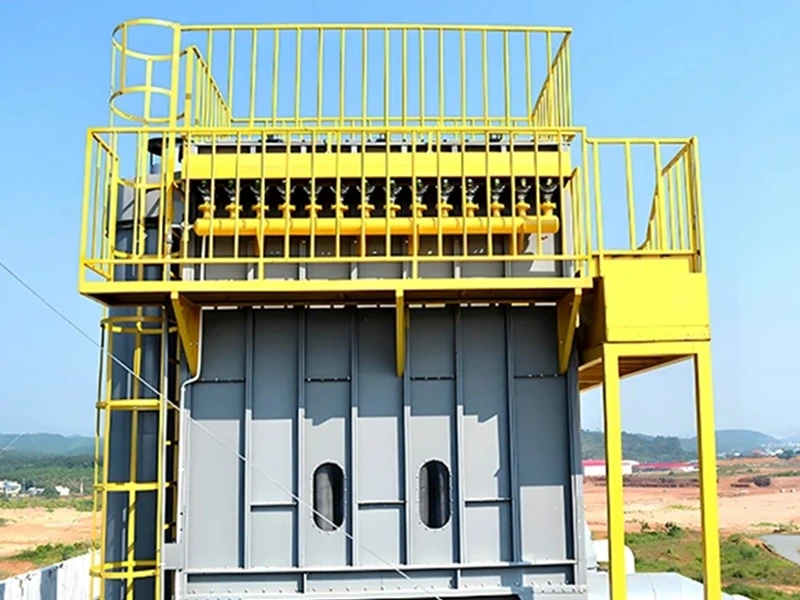

Baghouse dust collectors are widely used to control particulate emissions in manufacturing and processing facilities where large quantities of dust are generated. From cement and mineral processing to metalworking, biomass, chemicals, and other industrial operations, a properly engineered baghouse can provide reliable particle capture while supporting continuous production. The key is not simply installing filter bags, but matching the collector design, filter media, airflow, cleaning method, temperature, and dust characteristics to the actual process.
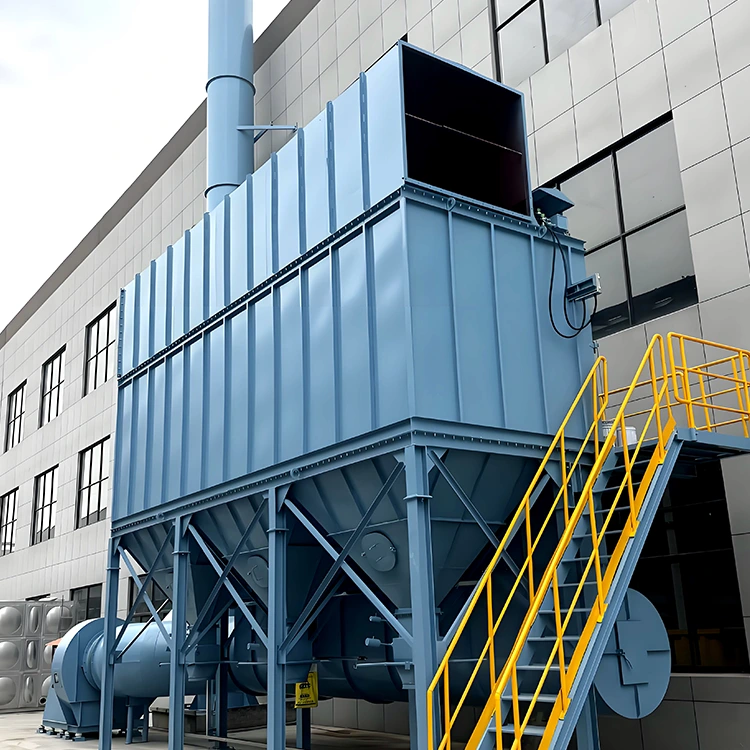
Article Summary
Baghouse dust collectors use fabric filter bags to separate particulate matter from contaminated process air. As dusty gas passes through the filter media, particles form a dust cake on the bag surface while cleaner air passes through. Periodic cleaning removes accumulated dust and helps maintain airflow. Pulse-jet cleaning is especially common because it can clean filter bags while the system remains in operation. However, long-term performance depends on correct sizing, suitable filter media, controlled airflow, effective dust discharge, and appropriate maintenance.
Table of Contents
- What Are Baghouse Dust Collectors?
- How Baghouse Dust Collectors Work
- Why Industrial Facilities Use Baghouse Systems
- Key Factors in Baghouse Dust Collector Selection
- Common Dust Collection Problems and Practical Solutions
- Maintenance Practices That Protect Performance
- Industrial Applications
- Baghouse Dust Collectors vs. Other Dust Control Methods
- Frequently Asked Questions
- Building a More Reliable Dust Collection System
What Are Baghouse Dust Collectors?
Baghouse dust collectors are industrial air-filtration systems designed to remove suspended particulate matter from a gas or air stream. Their central filtration components are fabric filter bags arranged inside a housing. Dust-laden air enters the collector, passes through the filter media, and leaves as filtered gas. The captured material remains on the surface of the bags until a cleaning cycle removes it.
The filtration process is more sophisticated than simply trapping particles in a piece of fabric. Once dust begins accumulating, a layer known as a dust cake develops on the filter surface. This layer contributes significantly to the collector's ability to capture fine particles. According to the U.S. Environmental Protection Agency, fabric filters can generally achieve collection efficiencies above 99%, although actual performance depends on factors such as particle characteristics, filtration velocity, filter material, and cleaning conditions.
For industrial buyers, this means the collector should be treated as part of the production process rather than as an isolated piece of equipment. The quality of the final result depends on how well the complete system matches the dust source and operating conditions.
How Baghouse Dust Collectors Work
A typical baghouse follows a continuous sequence of collection, filtration, cleaning, and dust discharge. Understanding these stages makes it easier to identify the right equipment for a particular process.
Contaminated gas enters through the inlet and is distributed inside the collector.
Dust is retained by the filter bags while filtered gas moves toward the clean-air outlet.
Accumulated dust is periodically removed to control pressure drop and maintain airflow.
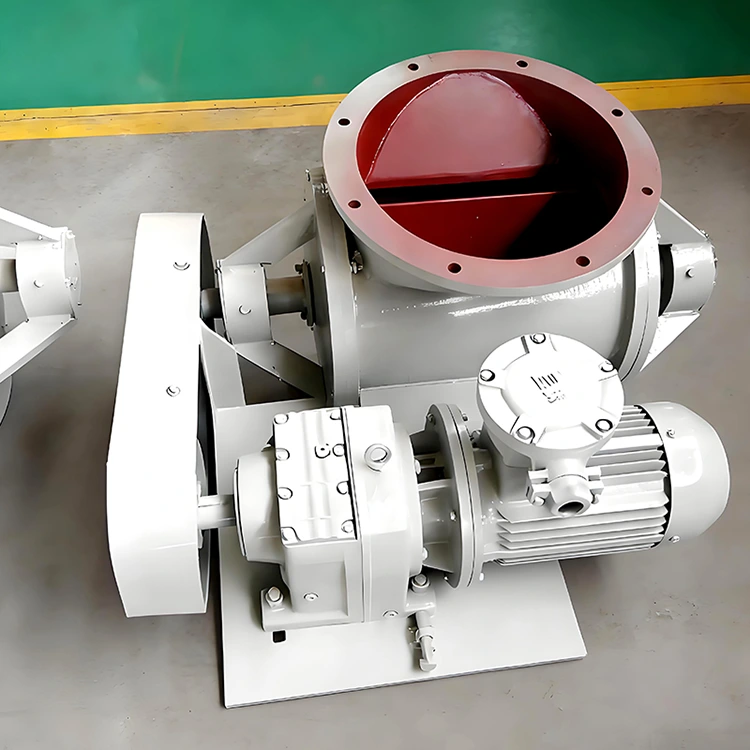
Removed particles fall into a hopper and are conveyed or discharged for recovery or disposal.
Pulse-Jet Cleaning
Pulse-jet cleaning is one of the most widely used cleaning arrangements for modern fabric filters. Short bursts of compressed air are directed into the filter bags, causing the bags to flex and dislodge accumulated dust. The loosened material falls toward the hopper. This approach can allow filtration to continue while individual bags or rows are cleaned.
The cleaning system needs to be properly matched to the filter media and dust load. Excessive or poorly controlled cleaning can waste compressed air and increase mechanical stress, while inadequate cleaning can allow pressure drop to rise.
Why Industrial Facilities Use Baghouse Systems
Industrial processes can generate everything from coarse particles to very fine dust. Baghouse systems are attractive because fabric filtration can handle a broad range of particulate sizes when the filter media and operating parameters are correctly selected.
- High particle collection capability: Fabric filters are capable of capturing fine and coarse particulate matter efficiently.
- Continuous operation: Properly configured pulse-jet systems can clean filter bags without requiring the entire collection process to stop.
- Adaptability: Different fabrics and surface treatments can be selected according to temperature, chemical exposure, moisture, and dust properties.
- Dry dust recovery: Collected solids can generally be removed in dry form for reuse, recycling, or controlled disposal.
- Flexible system configuration: Baghouse equipment can be engineered for different airflow capacities, layouts, and process conditions.
- Suitable for heavy dust loads: Pulse-jet fabric filters are commonly used in demanding industrial applications with substantial particulate loading.
These benefits are particularly valuable where production generates dust continuously and where poor air quality can affect equipment cleanliness, workplace conditions, product quality, or environmental performance.
Key Factors in Baghouse Dust Collector Selection
Choosing a baghouse based only on nominal airflow capacity can create problems later. The collector should be designed around the actual process conditions. Several parameters deserve attention before equipment specifications are finalized.
| Factor | Why It Matters | Questions to Consider |
|---|---|---|
| Airflow | Determines collector capacity and filtration loading. | What is the normal and peak gas flow? |
| Dust characteristics | Particle size, density, shape, and adhesion affect filtration. | Is the dust fine, abrasive, sticky, fibrous, or combustible? |
| Temperature | Filter materials have different temperature limitations. | What are the continuous and peak temperatures? |
| Moisture | Condensation can cause dust to stick to bags or form deposits. | Can the gas approach its dew point? |
| Filter media | Media determines filtration behavior, service life, and chemical resistance. | Which fabric or membrane suits the process? |
| Pressure drop | Excessive resistance can increase fan energy requirements. | How will differential pressure be monitored and controlled? |
Filter Media Should Match the Dust
A common purchasing mistake is treating filter bags as interchangeable components. They are not. Different applications may require different fiber types, finishes, membrane treatments, or temperature resistance. The EPA notes that fabric selection, cleaning method, filtration velocity, and particulate characteristics all influence baghouse performance.
For example, abrasive mineral dust may require a different solution from humid or chemically aggressive process gas. Fine particles may also benefit from specialized surface treatments that improve particle capture and dust release. The correct choice should therefore begin with the characteristics of the process rather than the filter bag price alone.
Common Dust Collection Problems and Practical Solutions
Even a properly designed baghouse can experience performance problems when operating conditions change or maintenance is overlooked. Identifying symptoms early can prevent unnecessary production interruptions.
High Pressure Drop
Possible causes include overloaded bags, ineffective cleaning, unsuitable filtration velocity, blocked airflow paths, or dust properties that promote buildup.
Short Filter Life
Excessive mechanical stress, abrasive dust, excessive temperature, chemical attack, or incorrect cleaning settings can shorten bag service life.
Dust Carryover
Potential causes include damaged bags, poor sealing, incorrect installation, excessive cleaning intensity, or inappropriate filter media.
Unstable Airflow
Poor inlet distribution, fan issues, duct restrictions, or uneven filter loading can create inconsistent operating conditions.
Pulse-jet cleaning itself also requires attention. Research has shown that cleaning pulses can temporarily influence downstream particle concentrations, which is one reason why airflow distribution, cleaning intensity, filter surface characteristics, and system configuration need to be considered together.
Maintenance Practices That Protect Performance
A baghouse should be monitored as an operating system rather than inspected only when a problem becomes visible. Routine observation of pressure drop, cleaning behavior, compressed-air quality, hopper discharge, and filter condition can reveal developing problems earlier.
- Monitor differential pressure: Unexpected changes can indicate filter loading, airflow problems, or cleaning issues.
- Inspect filter bags: Look for abrasion, holes, chemical deterioration, deformation, and improper installation.
- Check pulse-jet components: Inspect valves, diaphragms, blowpipes, and control equipment.
- Keep compressed air suitable: Pulse-jet cleaning depends on an appropriate compressed-air supply. Moisture and contamination can interfere with reliable operation.
- Maintain the hopper: Dust should not be allowed to accumulate excessively or interfere with discharge equipment.
- Inspect seals and access doors: Air leakage can reduce system effectiveness and increase unnecessary fan demand.
- Record operating conditions: Historical pressure, temperature, airflow, and maintenance information can make troubleshooting much faster.
Industrial Applications
Baghouse dust collectors can be adapted to many processes where dry particulate matter must be separated from an air or gas stream. Common applications include:
- Cement production
- Mineral processing
- Stone and quarry operations
- Steel and metal processing
- Foundries
- Asphalt production
- Wood processing
- Grain and agricultural processing
- Chemical manufacturing
- Biomass processing
- Building material production
- Industrial material handling
The EPA identifies applications including cement manufacturing, asphalt manufacture, grain milling, steel production, foundries, coal cleaning, and stone quarrying among areas where pulse-jet fabric filters are used.
Baghouse Dust Collectors vs. Other Dust Control Methods
There is no single dust collection technology that is ideal for every industrial process. The appropriate solution depends on particle characteristics, gas conditions, required airflow, available space, operating objectives, and maintenance requirements.
| Technology | Typical Strength | Important Consideration |
|---|---|---|
| Baghouse | High-efficiency fabric filtration for a wide range of particulate matter. | Requires suitable filter media and controlled cleaning. |
| Cyclone | Useful for larger or heavier particles and pre-separation. | Fine-particle capture may require additional filtration. |
| Electrostatic Precipitator | Can handle large gas volumes in suitable applications. | Requires electrical systems and process-specific operating conditions. |
| Cartridge Collector | Compact filtration with high media area per unit volume. | Media and loading conditions need careful evaluation. |
In practice, these technologies can also complement each other. For example, a cyclone may be used for coarse-particle pre-separation before a fabric filter handles the remaining fine dust. The best configuration depends on the complete process rather than the collector name alone.
Frequently Asked Questions
What does a baghouse dust collector remove?
It removes particulate matter from contaminated air or process gas. Depending on the application and filter media, baghouses can capture a broad range of particle sizes, including fine particles.
How often should baghouse filter bags be replaced?
There is no universal replacement interval. Service life depends on dust abrasiveness, temperature, chemical conditions, filtration velocity, cleaning intensity, installation quality, and operating hours. Inspection data and changes in pressure drop or emissions are more useful than a fixed calendar schedule.
Why does pressure drop increase in a baghouse?
Pressure drop can rise as dust accumulates on the filter surface. It can also increase because of ineffective cleaning, excessive filtration loading, blocked ducts, unsuitable filter media, or changes in the process gas.
Is pulse-jet cleaning suitable for continuous production?
Pulse-jet systems are widely used for continuous industrial filtration because short compressed-air pulses can clean filter bags while other filtration areas continue operating. System configuration determines whether a specific application can maintain uninterrupted production.
What information should be provided when requesting a baghouse system?
Useful information includes required airflow, dust concentration, particle characteristics, gas temperature, moisture level, chemical composition, operating hours, available installation space, dust discharge requirements, and applicable emission requirements.
Can a baghouse be customized for a specific production line?
Yes. Industrial baghouse systems can be engineered around airflow, process layout, dust properties, temperature, filter media, cleaning configuration, hopper design, discharge equipment, and control requirements. Custom engineering is especially important for high-dust or unusual process conditions.
Building a More Reliable Dust Collection System
Effective dust control starts with understanding the process. Baghouse dust collectors can provide high-efficiency particulate filtration, but the equipment should be selected according to the actual gas volume, dust characteristics, temperature, humidity, filter media, cleaning strategy, and dust discharge requirements.
A well-designed system also considers what happens after installation. Stable airflow, appropriate cleaning, reliable compressed air, regular inspection, and timely replacement of worn components all contribute to consistent performance. Instead of focusing only on the initial equipment cost, industrial buyers should consider the complete operating picture, including energy use, filter life, maintenance access, downtime risk, and dust handling.
For companies evaluating a new system or upgrading an existing installation, Jiangsu Jiangteng Environmental Protection Engineering Technology Co., Ltd. can provide engineering-oriented dust collection solutions based on the requirements of different industrial processes.
Need a Baghouse Dust Collection Solution for Your Process?
Every production line has different airflow, dust characteristics, temperature conditions, and installation requirements. For help evaluating your application and developing a suitable dust collection solution, please contact us and share your process requirements with the engineering team at Jiangsu Jiangteng Environmental Protection Engineering Technology Co., Ltd. Contact Us.