English
- English
- Español
- Português
- русский
- Français
- 日本語
- Deutsch
- tiếng Việt
- Italiano
- Nederlands
- ภาษาไทย
- Polski
- 한국어
- Svenska
- magyar
- Malay
- বাংলা ভাষার
- Dansk
- Suomi
- हिन्दी
- Pilipino
- Türkçe
- Gaeilge
- العربية
- Indonesia
- Norsk
- تمل
- český
- ελληνικά
- український
- Javanese
- فارسی
- தமிழ்
- తెలుగు
- नेपाली
- Burmese
- български
- ລາວ
- Latine
- Қазақша
- Euskal
- Azərbaycan
- Slovenský jazyk
- Македонски
- Lietuvos
- Eesti Keel
- Română
- Slovenski

How Can a Standalone Baghouse Dust Collector Improve Industrial Air Quality and Production Efficiency
Article Summary: A standalone baghouse dust collector helps industrial facilities control airborne particles, maintain cleaner production environments, and reduce dust-related maintenance challenges. By combining efficient fabric filtration, automated cleaning, and a compact equipment structure, it provides a practical solution for dust-generating operations. This guide explains how the system works, its key benefits, technical specifications, application scenarios, and the factors buyers should consider when selecting equipment from Jiangteng.
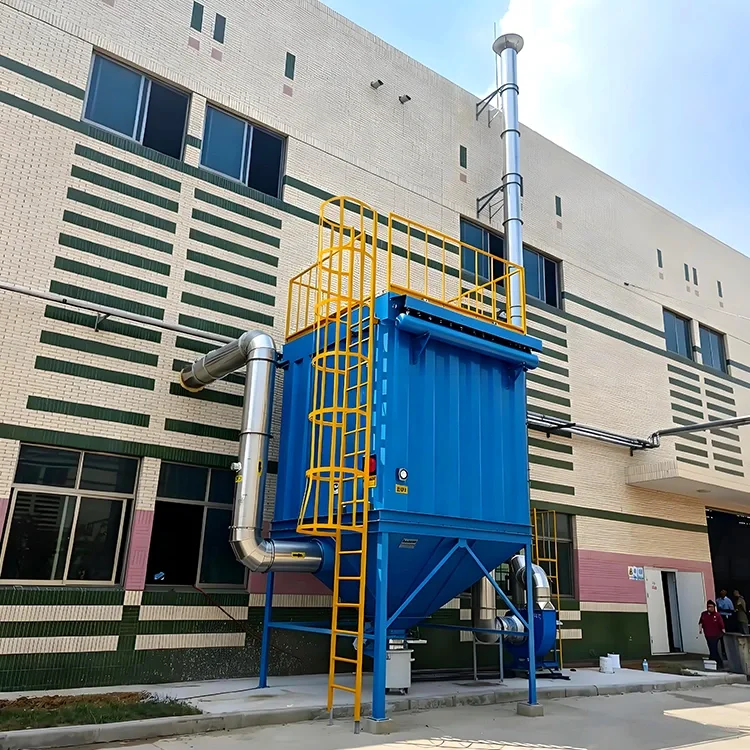
Table of Contents
- What Is a Standalone Baghouse Dust Collector?
- How Does the Dust Collection Process Work?
- What Are the Main Benefits?
- Technical Specifications and Model Comparison
- Which Industries Can Benefit from This Equipment?
- How to Choose the Right Dust Collector
- Maintenance Practices for Reliable Operation
- Frequently Asked Questions
- Conclusion: Finding the Right Dust Collection Solution
What Is a Standalone Baghouse Dust Collector?
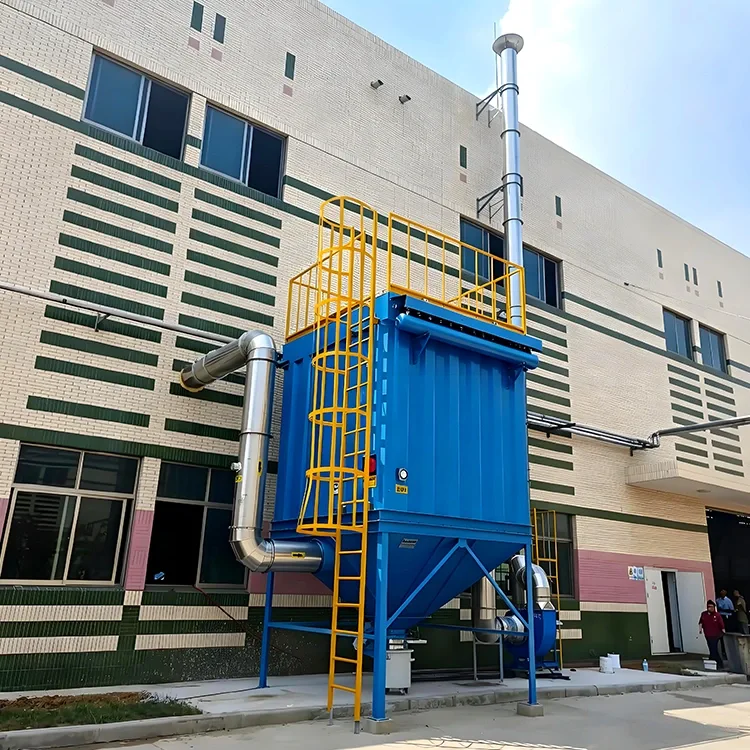
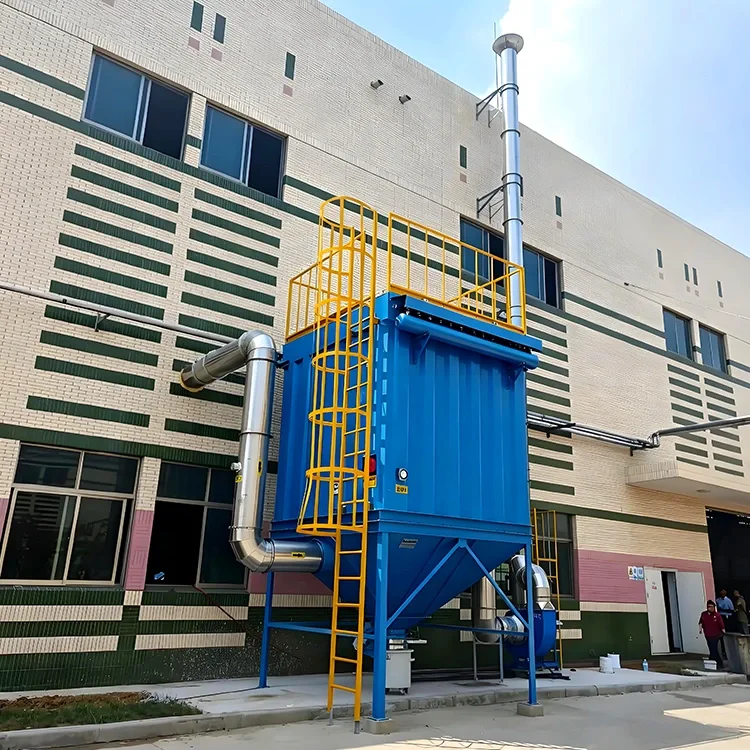
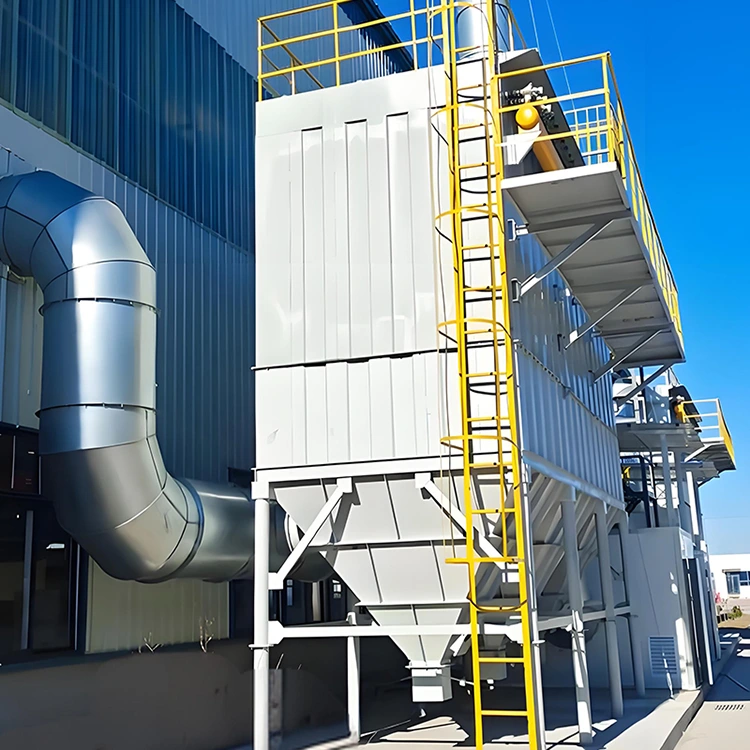
As an industrial dust collection equipment manufacturer, Jiangteng provides the Standalone Baghouse Dust Collector for businesses that need dependable dust control close to their production equipment. Unlike large centralized systems designed to serve an entire facility, a standalone unit can be installed near an individual dust-generating machine or a group of nearby processing points.
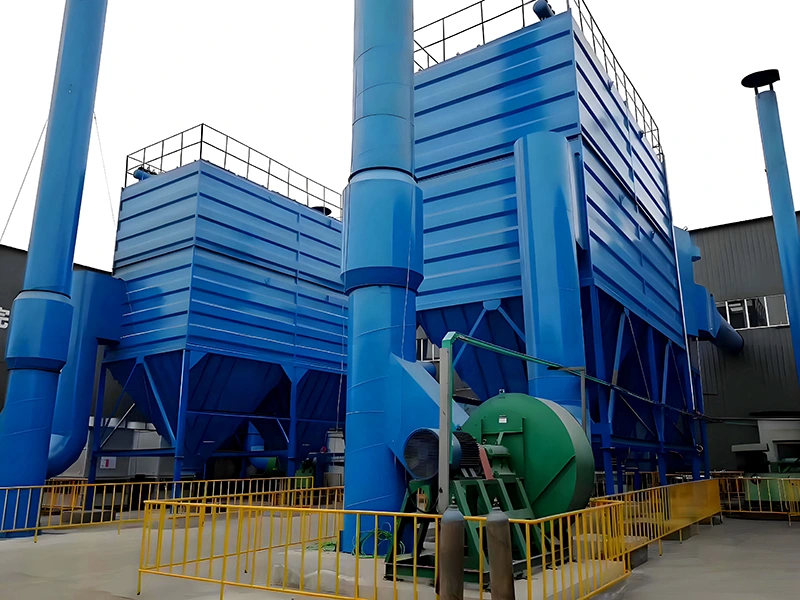
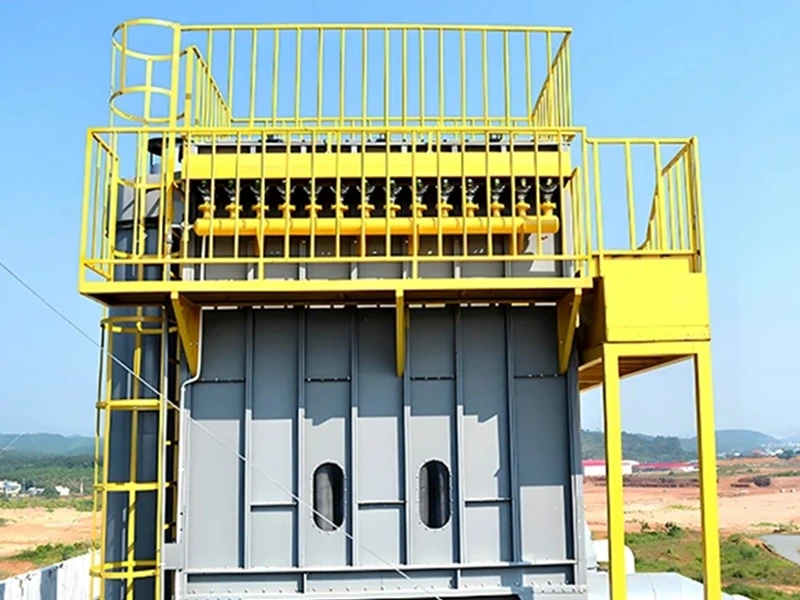
The equipment typically consists of a filter housing, fabric filter bags, a fan, a dust collection hopper, a cleaning mechanism, and a discharge arrangement. Dust-laden air enters the unit, passes through the filter media, and releases cleaner air after particulate matter has been captured.
This compact configuration is particularly useful when factories need to control dust without installing extensive ductwork. It can also support phased facility upgrades, allowing operators to address specific pollution sources without redesigning their entire ventilation network.
A properly selected baghouse system helps reduce airborne dust, supports workplace housekeeping, and provides a more controlled environment for manufacturing operations. Actual performance depends on the dust characteristics, filter media, airflow, installation conditions, and applicable emission requirements.
How Does the Dust Collection Process Work?
A standalone baghouse dust collector operates through four connected stages: dust capture, filtration, filter cleaning, and dust discharge. Understanding this cycle helps buyers evaluate whether a proposed system suits their production requirements.
1. Dust Capture
A fan creates the airflow needed to draw dust-laden air through an inlet connected to the pollution source. Proper hood placement and duct design are essential because even an efficient filter cannot capture particles that escape into the workshop.
2. Fabric Filtration
The incoming air passes through filter bags that retain particles on the filter surface or within the fabric structure. The cleaned air then moves toward the outlet. Filter media must be selected according to particle size, temperature, humidity, chemical compatibility, and other operating conditions.
3. Automatic Filter Cleaning
During operation, accumulated dust increases airflow resistance. In a pulse-jet cleaning system, compressed air is released through pulse valves to dislodge the collected dust from the bags. Depending on the configuration, cleaning may operate on a timer or according to differential-pressure measurements.
4. Dust Collection and Discharge
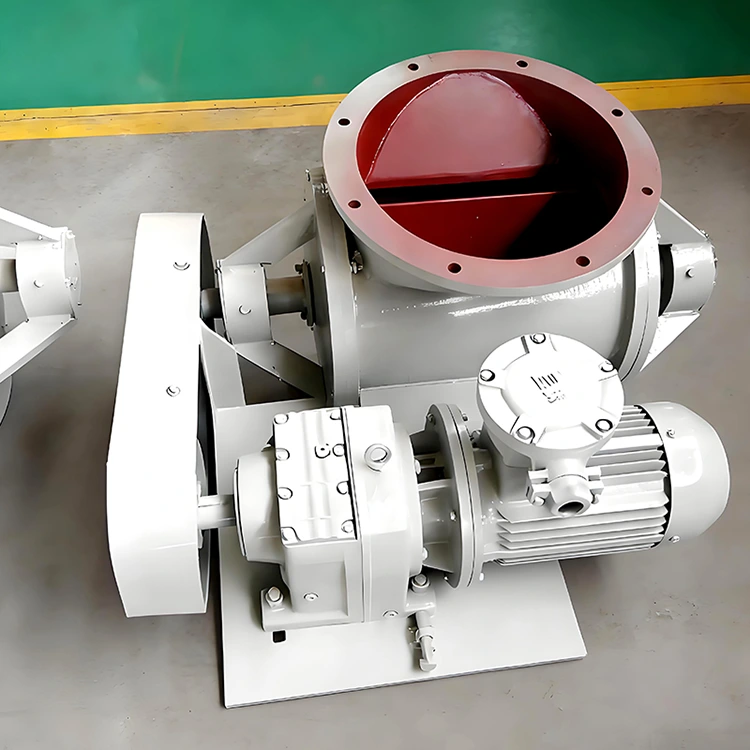
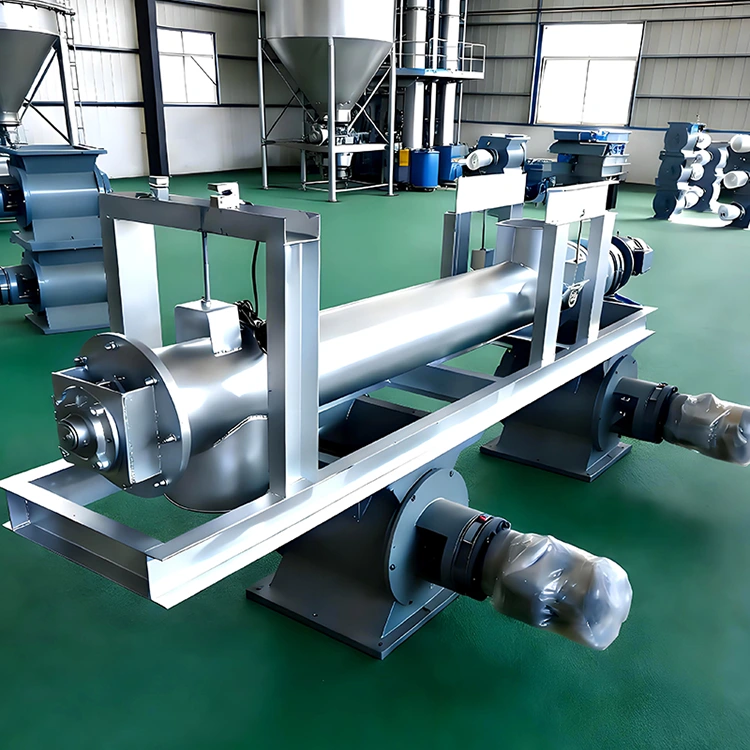
Dislodged particles fall into the hopper beneath the filtration chamber. A suitable discharge device allows the collected material to be removed for disposal, treatment, or recovery where the material is safe and suitable for reuse.
This cycle helps maintain filtration performance while reducing the need for frequent manual cleaning. However, combustible dust, hazardous particles, and potentially explosive atmospheres require a separate risk assessment and appropriate engineered safeguards.
What Are the Main Benefits of a Standalone Baghouse Dust Collector?
For industrial buyers, the value of a standalone system extends beyond its initial purchase price. Equipment selection should consider installation costs, energy use, filter replacement, maintenance requirements, and production continuity.
- Compact installation: A self-contained design can reduce the need for long duct networks when the unit is positioned near the dust source.
- Effective particulate control: Properly matched filter bags can capture fine airborne particles and help facilities meet their dust control objectives.
- Automated cleaning: Pulse-jet cleaning reduces the frequency of manual filter maintenance and helps manage pressure drop during operation.
- Flexible filter media: Polyester, antistatic fabrics, membrane-coated media, and temperature-resistant options may be available depending on the application.
- Potential material recovery: Collected powder may be recovered when its composition, contamination status, and process requirements permit reuse.
- Scalable investment: Individual units can address priority dust sources before a facility commits to a larger centralized collection system.
Jiangteng offers customized configurations based on airflow demand, dust properties, filtration requirements, and site conditions. Buyers should request application-specific performance information rather than assuming every configuration delivers the same efficiency or operating cost.
Technical Specifications and Model Comparison
Airflow capacity and filtration area are two important starting points when comparing standalone baghouse dust collectors. Jiangteng lists the following reference models on its product page. The values below are manufacturer-published specifications; final selection should account for the actual process and operating conditions.
| Model | Airflow Capacity (m³/h) | Filtration Area (m²) | Typical Application |
|---|---|---|---|
| DMC-24 | 1,600–2,400 | 21.6 | Small cutting and grinding stations |
| DMC-36 | 2,400–3,600 | 32.4 | Small and medium crushers or screening machines |
| DMC-48 | 3,200–4,800 | 43.2 | Material transfer points and multiple nearby dust sources |
| DMC-64 | 4,500–6,400 | 57.6 | Higher-volume or concentrated dust-generating operations |
Note: These are reference configurations, not universal design recommendations. Confirm the latest model availability and detailed specifications directly with Jiangteng before ordering.
Beyond nominal airflow, purchasers should evaluate the following technical parameters:
- Filter media: Confirm compatibility with the dust's temperature, moisture, chemical composition, and particle characteristics.
- Fan performance: Check that the fan can deliver the required airflow at the system's actual static pressure.
- Cleaning configuration: Determine whether timed or differential-pressure-based pulse cleaning is more appropriate.
- Dust discharge: Select a hopper and discharge arrangement that matches the material's flow properties and collection volume.
- Electrical requirements: Verify motor power, voltage, frequency, control options, and local electrical standards.
- Installation dimensions: Check equipment height, maintenance access, inlet and outlet connections, and the available floor area.
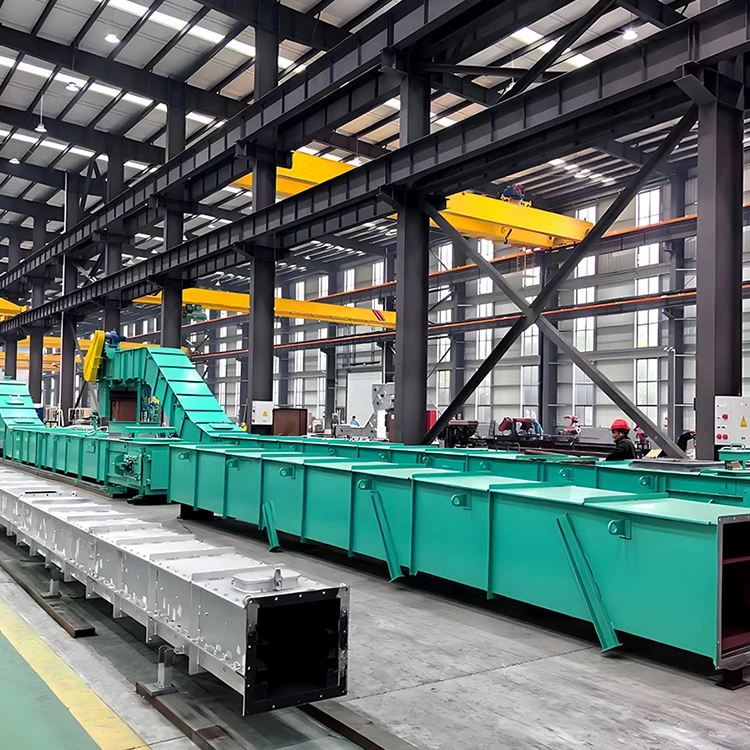
For additional equipment options, buyers can also explore Jiangteng's industrial dust collection solutions and compare related material handling equipment according to their process layout.
Which Industries Can Benefit from This Equipment?
A standalone baghouse dust collector is suitable for many industrial processes that generate dry particulate matter. The correct configuration depends on the type and volume of dust, production conditions, and required collection performance.
Building Materials and Mineral Processing
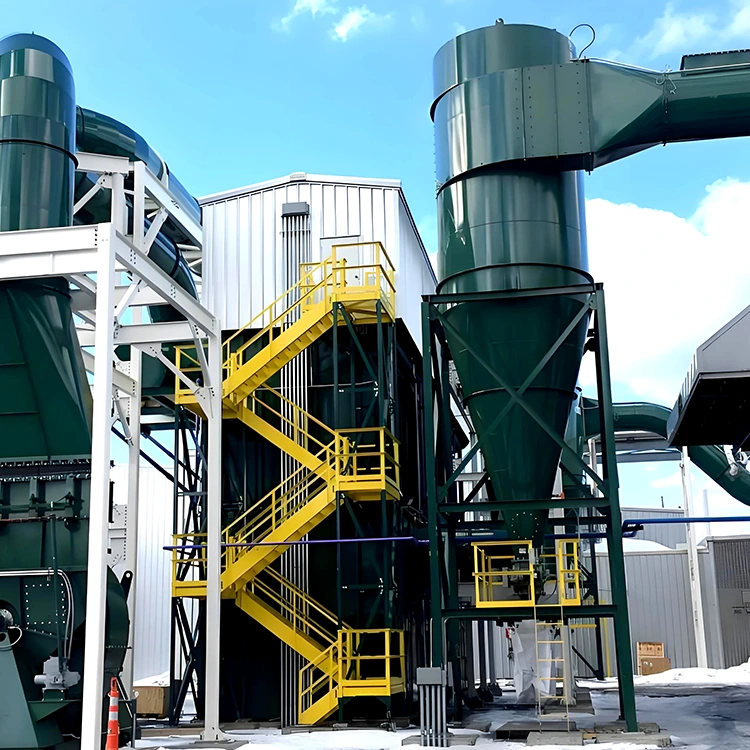
Cement handling, stone cutting, ceramic processing, crushing, and screening can release substantial quantities of dust. A collection unit positioned near a transfer point or processing machine helps capture particles before they spread throughout the workshop.
Metal Fabrication and Machining
Grinding, polishing, cutting, and certain machining operations generate fine particles that can accumulate on equipment and surrounding surfaces. Appropriate local extraction helps control these emissions. Welding fumes may require specialized filtration and should not automatically be treated as equivalent to ordinary coarse dust.
Food and Pharmaceutical Manufacturing
Powder feeding, blending, weighing, and packaging can release flour, starch, pharmaceutical ingredients, and other fine materials. Hygienic design, cleanability, filter compatibility, and contamination prevention are especially important in these environments.
Chemical and Plastics Processing
Material conveying, batching, crushing, and powder transfer may produce airborne particles that interfere with housekeeping and production quality. The selected filter media and system construction must be compatible with the material's chemical and physical properties.
For combustible materials such as certain metal powders, flour, and plastic dust, a conventional baghouse should not be assumed safe without an appropriate dust hazard assessment and protective engineering design.
How to Choose the Right Dust Collector
Choosing the right standalone baghouse dust collector starts with the process rather than the equipment model. A unit with insufficient airflow may allow dust to escape, while excessive airflow can increase energy consumption and accelerate filter wear.
- Identify the dust source. Determine whether dust comes from a single machine, a transfer point, or several connected processes.
- Calculate required airflow. Assess capture hood dimensions, particle release behavior, duct layout, and the number of extraction points operating simultaneously.
- Characterize the dust. Record particle size, concentration, moisture, temperature, abrasiveness, chemical properties, and combustibility.
- Match the filtration media. Select a fabric suited to the operating conditions instead of choosing solely by initial purchase cost.
- Evaluate the complete system. Review fan pressure, cleaning controls, discharge equipment, electrical requirements, and available installation space.
- Confirm compliance needs. Identify applicable workplace exposure limits, environmental emission rules, and fire or explosion protection requirements.
- Compare lifecycle costs. Include electricity, compressed air, filter replacement, waste handling, scheduled maintenance, and potential production downtime.
Buyers should also request technical drawings, recommended spare parts, operating instructions, and written performance criteria. These details make it easier to compare proposals and verify whether the equipment will satisfy the intended application.
Maintenance Practices for Reliable Operation
Routine inspection is essential for keeping a dust collection system effective. Although automated cleaning reduces manual intervention, it does not eliminate the need for preventive maintenance.
- Monitor differential pressure: Track pressure drop across the filters and investigate unusual changes that may indicate blockage, damaged bags, or abnormal airflow.
- Inspect filter bags: Look for tears, abrasion, blinding, moisture damage, and poor sealing around bag connections.
- Check the pulse system: Inspect compressed-air quality, pressure, valves, hoses, and control sequences according to the manufacturer's instructions.
- Examine the fan and motor: Check vibration, noise, bearing condition, and operating current at the recommended intervals.
- Keep discharge equipment functional: Prevent hopper accumulation and verify that collected dust can be removed without leakage or blockage.
- Document operating trends: Maintain records of pressure drop, filter replacements, cleaning adjustments, and maintenance events.
Filter replacement intervals vary with dust loading, media selection, cleaning frequency, and operating conditions. Replacing bags based on inspection and performance data is generally more reliable than using a fixed schedule without considering actual service conditions.
Frequently Asked Questions
1. What is the difference between a standalone baghouse dust collector and a centralized system?
A standalone unit generally serves a specific machine or a limited number of nearby dust sources. A centralized system uses a larger network of ductwork to collect dust from multiple locations. The better option depends on facility size, airflow demand, installation complexity, and lifecycle cost.
2. What airflow capacities are available from Jiangteng?
Jiangteng's published reference models include the DMC-24 at 1,600–2,400 m³/h, DMC-36 at 2,400–3,600 m³/h, DMC-48 at 3,200–4,800 m³/h, and DMC-64 at 4,500–6,400 m³/h. Confirm current availability and suitability with the manufacturer before selecting a model.
3. Can the equipment capture fine dust?
Yes, fabric filtration can capture fine particles when the filter media, airflow, and operating conditions are correctly matched. Actual collection efficiency depends on the complete system design and must be verified against the application's performance requirements.
4. Can a standalone baghouse handle high-temperature or humid dust?
Potentially. Specialized filter media may be available for elevated temperatures, moisture, or particular chemical conditions. However, temperature limits, condensation risk, material compatibility, and cleaning requirements must be assessed before specifying the system.
5. How often should filter bags be replaced?
There is no universal replacement interval. Filter life depends on dust abrasiveness, temperature, humidity, operating hours, cleaning conditions, and maintenance practices. Monitor pressure drop and inspect the bags regularly to determine when replacement is necessary.
6. Is a standalone baghouse dust collector suitable for combustible dust?
Not automatically. Combustible dust may create fire or explosion hazards inside collectors and connected ductwork. A qualified assessment should determine the required explosion protection, isolation, grounding, and other safeguards before equipment selection or installation.
7. What information should I provide when requesting a quotation?
Provide the dust source, material characteristics, required airflow, operating temperature, expected dust loading, working hours, site dimensions, electrical supply, and applicable emission requirements. Process drawings or photographs can also help the supplier evaluate the application and recommend a suitable configuration.
Conclusion: Finding the Right Dust Collection Solution
A well-selected standalone baghouse dust collector can help industrial facilities improve particulate control, maintain cleaner production areas, and manage dust-related operating costs. The most suitable solution combines adequate airflow, compatible filter media, reliable cleaning, practical dust discharge, and appropriate safety measures.
Jiangteng offers configurable dust collection equipment designed around different industrial operating conditions. Rather than choosing a model based on airflow alone, compare the full technical requirements, expected maintenance needs, and long-term operating costs. If you are evaluating a new installation or upgrading an existing dust control system, review Jiangteng's standalone baghouse dust collector and contact us to discuss your application, request a customized recommendation, and obtain a quotation tailored to your production requirements.
Related News
- How Can a Stainless Steel Slide Gate Valve Improve Industrial Flow Control and Operational Reliability
- How Can a High-Temperature Rotary Valve Improve Material Handling Efficiency in Extreme Industrial Environments
- How Can a Silo Slide Gate Valve Improve Material Flow Control, Sealing Performance, and Industrial Efficiency
- How Can a Standalone Baghouse Dust Collector Improve Industrial Air Quality and Reduce Operating Costs
- How Can a Cartridge Dust Collector Improve Industrial Air Quality and Reduce Operating Costs
- What Makes Baghouse Dust Collectors Effective for Industrial Dust Control?
Leave me a message
News Recommendations