
Quality and Durable Slide Gate Valves Factory
Jiangteng is a manufacturer of slide gate valves with in-house engineering capabilities and the ability to provide customized solutions for various operating conditions; the valves are easy to maintain, and long-term after-sales technical support is provided.
What is a Slide Gate Valve?
A slide gate valve opens or closes a material path by moving a flat blade across the opening. It is commonly installed below hoppers, bins, dust collectors and conveying equipment for isolation, maintenance shutoff or emergency closure.
Actuation and Connection Options
|
Choice |
Best Use |
Check Before Ordering |
|
Manual |
Occasional operation with accessible installation. |
Operating force, handwheel/lever access and safety. |
|
Pneumatic |
Frequent or remote open/close operation. |
Air supply, cylinder sizing, solenoid, limit switches and fail position. |
|
Electric |
Remote operation where electrical actuation is preferred. |
Voltage, actuator torque, travel limits, protection and control signal. |
|
Round / square |
Matched to pipe, hopper or equipment connection. |
Clear opening, flange dimensions, bolt pattern and installation height. |
Material and Sealing Considerations
Selecting a slide gate valve requires considering the material's particle size, flowability, abrasiveness, and temperature, as well as whether it contains dust.
Different materials directly affect the wear rate of the gate, valve body, and sealing components, as well as operational stability. Please share the details of your material with Jiangteng, and we will provide a suitable solution.
|
Material Characteristics |
Key Considerations |
|
Fine powders and dust-prone materials |
Prioritize the seal between the gate and the valve body to minimize dust leakage. |
|
Coarse granular materials |
Address the risk of jamming or wear caused by particles entering the sealing area. |
|
Highly abrasive materials |
Utilize wear-resistant materials or designs for the gate, valve seat, and sealing components. |
|
Moist and sticky materials |
Monitor for material accumulation during gate movement to prevent interference with opening and closing operations. |
|
High-temperature materials |
Ensure sealing materials and the valve body structure are suitable for the actual operating temperatures. |
|
Food-grade or sanitary-grade materials |
Select appropriate contact and sealing materials based on process requirements. |
Common Installation Positions
● Below dust collector or storage hoppers for maintenance isolation.
● At screw conveyor or bucket elevator inlets and outlets.
● Between process bins and downstream feeding equipment.
● At diverter or transfer points where a specific material path must be closed.
FAQ
Can a slide gate regulate flow?
A standard gate is mainly for open/close isolation. Partial opening may cause uneven wear or blockage. If regulation is required, it must be specified and designed accordingly.
How do I choose manual, pneumatic or electric actuation?
Consider operating frequency, accessibility, utilities, control system, required closing force, speed and fail-safe position.
Can it be installed under a dust collector?
Yes. Opening size, hopper flange, dust properties, valve orientation and downstream discharge equipment must be matched.
What causes the blade to jam?
Oversized particles, compacted material, blade-path contamination, inadequate actuator force, distortion or poor alignment can cause jamming.
Request a Slide Gate Configuration
Provide the material, opening size, flange drawing, temperature, pressure, actuation method, installation position and required sealing level. Jiangteng will review the blade, housing, drive and interface configuration.
- View as
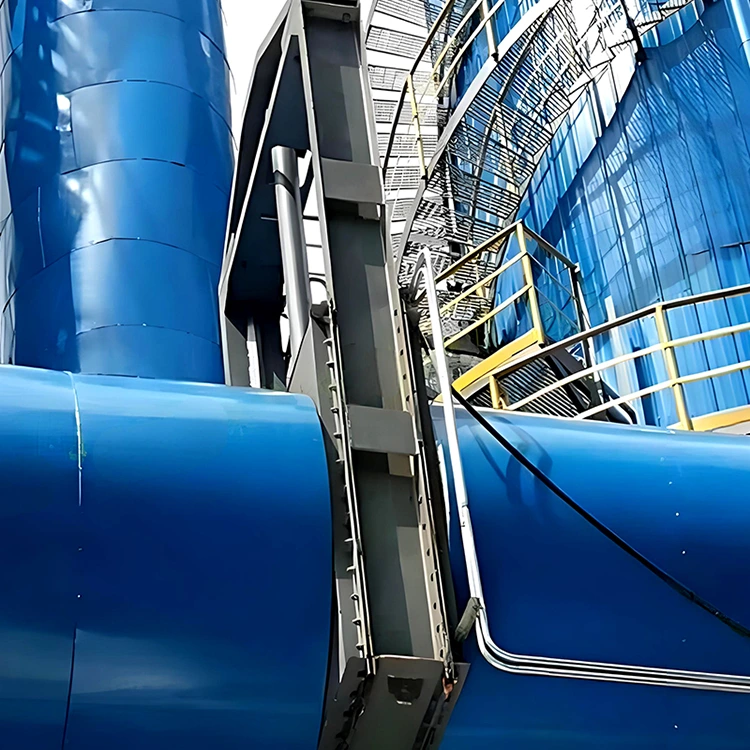
Silo Slide Gate Valve
As a specialized manufacturer, the Silo Slide Gate Valve designed and produced by Jiangteng strictly adheres to the ANSI Class VI zero-leakage standard. Featuring a precision sealing design and manufacturing process, it provides safe, durable, and energy-efficient fluid control solutions for sectors such as petrochemicals, municipal water services, power and energy, and food and pharmaceuticals.
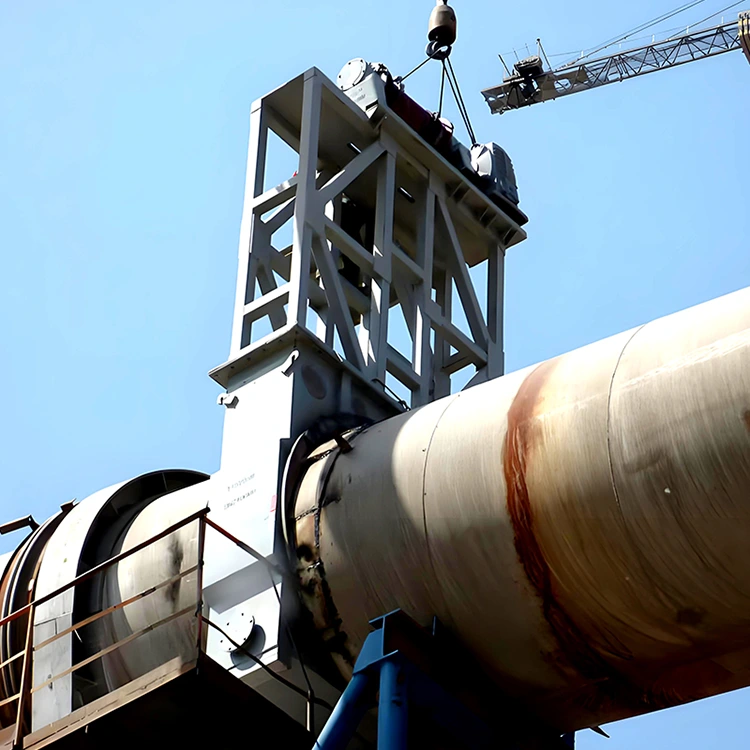
Bulk Material Slide Gate Valve
If you are looking to equip your project with high-quality, high-performance bulk material slide gate valves, consider Jiangteng as your manufacturer and supplier. Our equipment features a reinforced sealing system and precision manufacturing processes to prevent leakage and material waste.
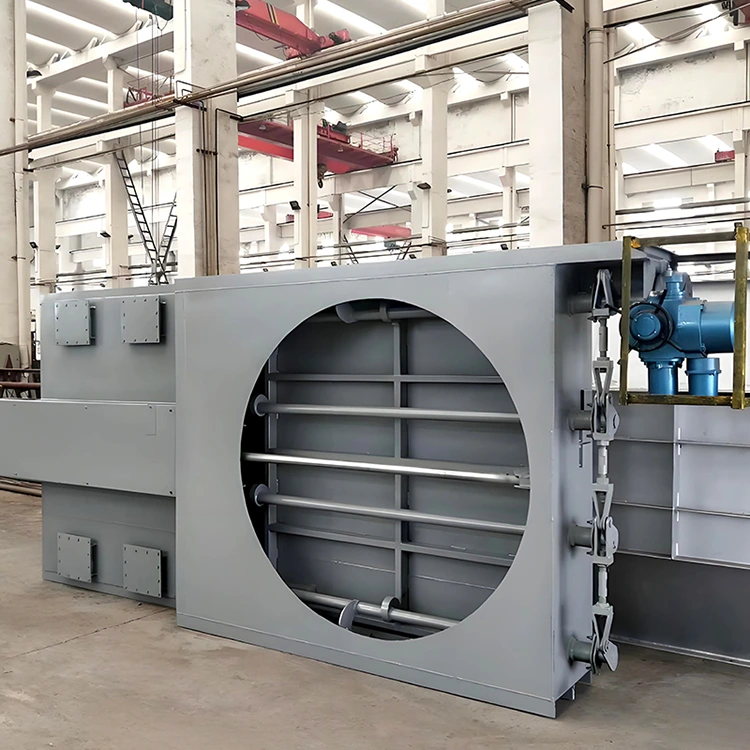
Knife Gate Valve
Are you looking for a knife gate valve that offers reliable sealing, withstands high temperatures and corrosion, and is precisely matched to your operating conditions? Choose Jiangteng as your manufacturer and partner; we specialize in providing high-performance, customized solutions for industries such as power generation, steel, chemicals, cement, and waste incineration.
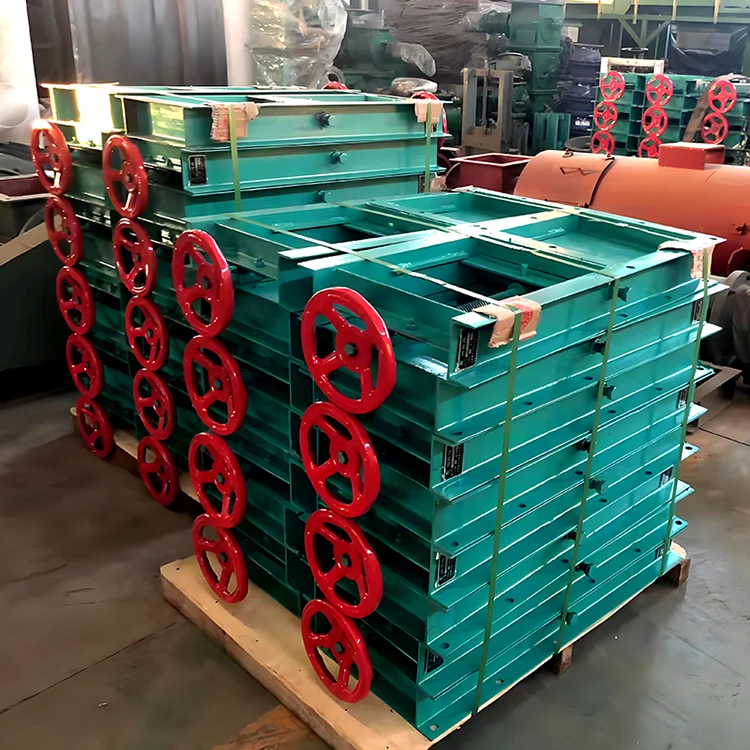
Manual Slide Gate Valve
Jiangteng specializes in the production of high-quality manual slide gate valves. As a direct-sales manufacturer based in China, we eliminate intermediaries to provide you with cost-effective industrial solutions. Our valves are designed to withstand the rigorous operating conditions involved in conveying materials such as dust, granules, and slurries, while offering simple operation and easy maintenance.
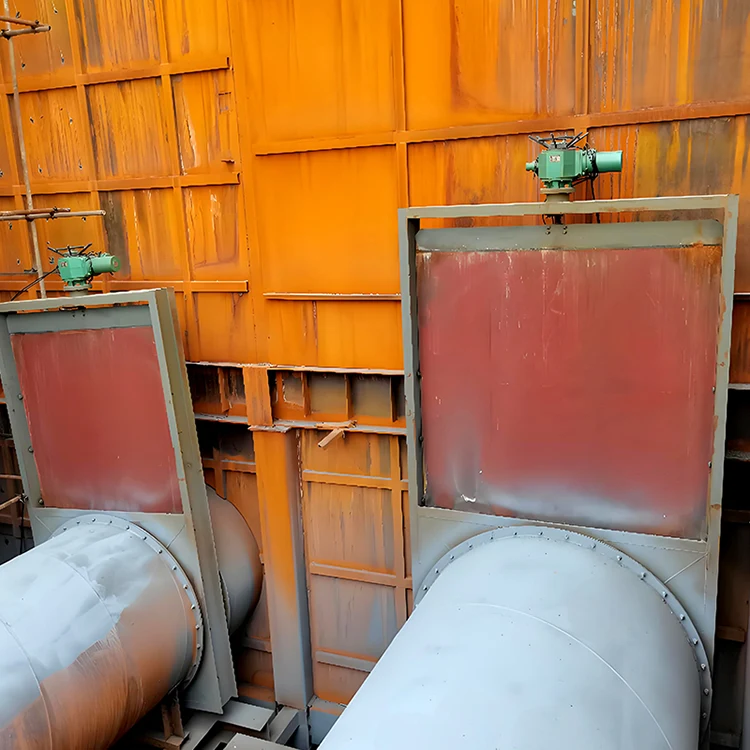
Electric Slide Gate Valve
The Electric Slide Gate Valve is supplied directly by Jiangteng, a specialized manufacturer based in China. We provide highly efficient pipeline automation solutions for industries such as construction materials, metallurgy, and chemicals. Combining premium-quality materials with precision engineering, our valves are capable of withstanding even the most demanding media environments.
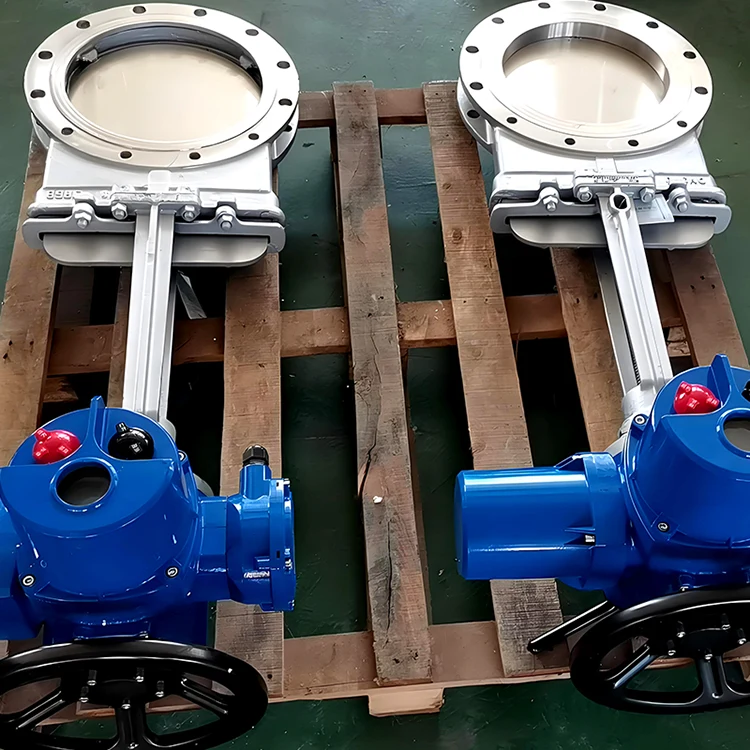
Stainless Steel Slide Gate Valve
Jiangteng is a specialized manufacturer of stainless steel slide gate valves. Fully understanding the demands of harsh operating environments, we have designed this equipment to be corrosion-resistant, long-lasting, and easy to maintain. Companies across industries—including chemical, food processing, pharmaceuticals, and environmental protection—are invited to partner with us to obtain custom-tailored solutions directly from the factory!
As a reliable Slide Gate Valves manufacturer and supplier in China, we have our factory. If you want to buy quality and durable products, please contact us.