
High-Efficient Baghouse Dust Collectors for Industrial Use
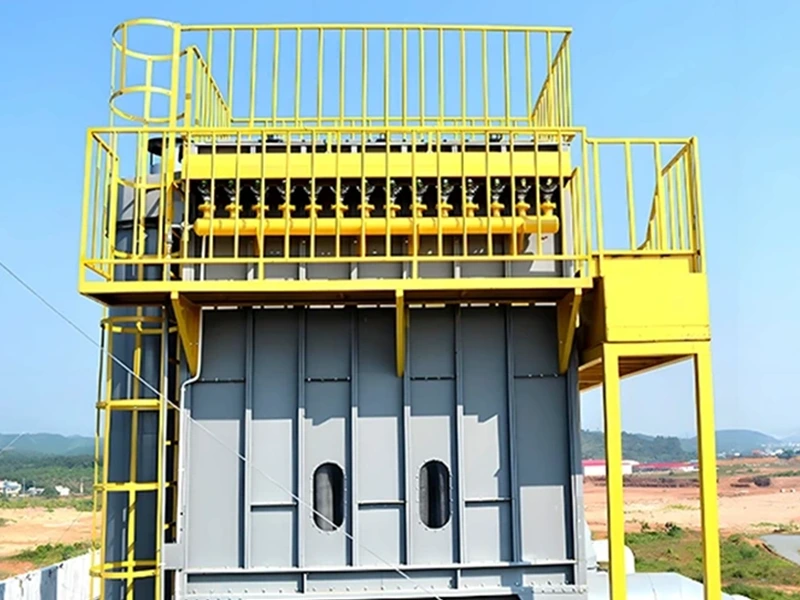
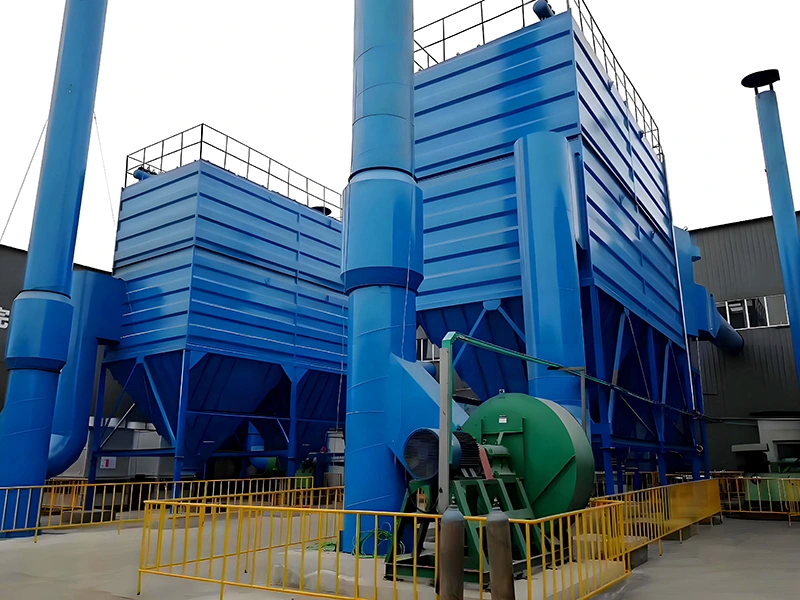
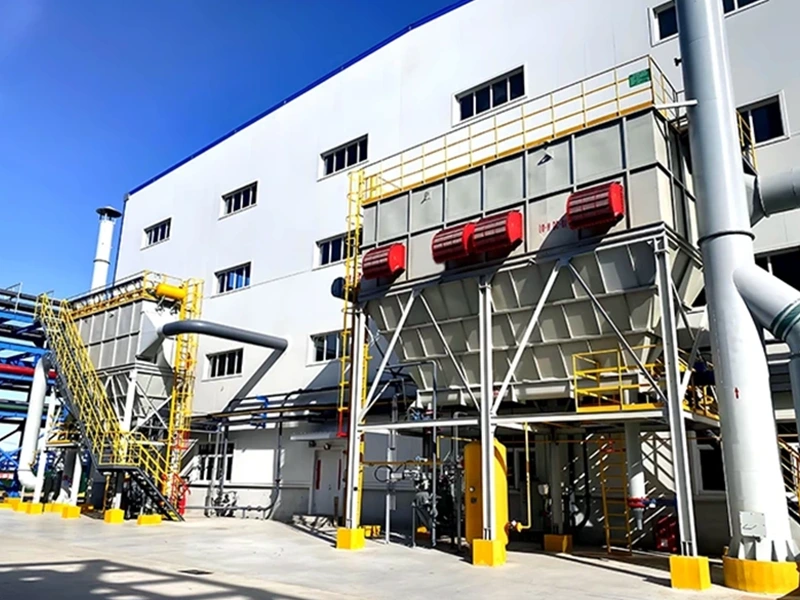
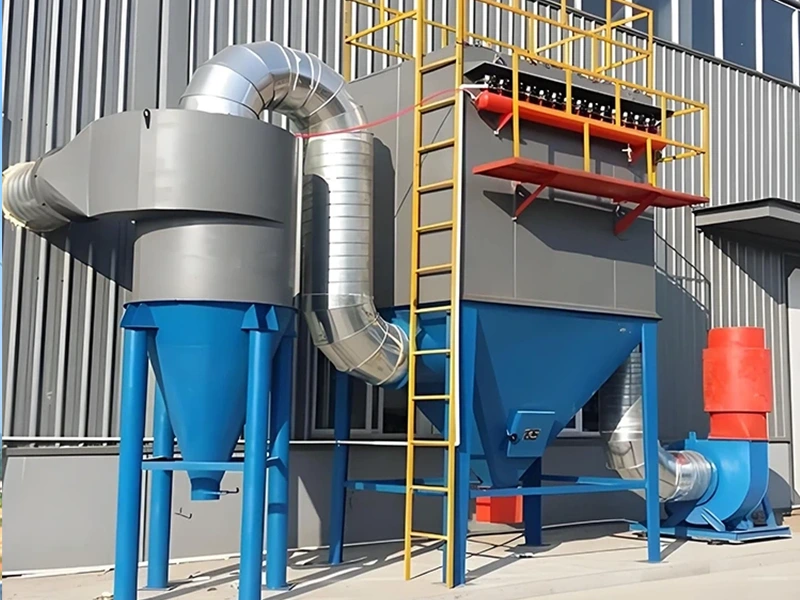
Jiangteng is a professional manufacturer of baghouse dust collectors. This series of equipment utilizes fabric filter bags to separate particulate matter from dust-laden gas streams. Dust accumulates on the surface of the filter media while the cleaned gas passes through; a cleaning system removes the accumulated dust, causing it to fall into the hopper for discharge.
Performance depends on the design of the integrated system; factors such as airflow volume, filtration velocity, dust load, gas temperature and humidity, chemical compatibility, equipment pressure drop, cleaning cycles, hopper design, and discharge equipment must be properly matched. Please consult us regarding specific project plans, and we will provide long-term technical support.
Key Advantages
● Baghouse dust collectors are suitable for continuous industrial dust collection across many dry-process applications.
● Filter media can be selected around temperature, moisture, chemical exposure and dust behavior.
● Modular chamber, hopper, inlet, outlet and discharge arrangements can be adapted to the site.
● Pulse-cleaning and differential-pressure monitoring can support stable operation when correctly configured.
● Maintenance access, bag replacement space and service platforms can be considered during design.
Working Principle
● Dust-laden gas enters the collector through the designed inlet and distribution section.
● Particles are retained on the outer or inner surface of the filter bags according to the selected airflow arrangement.
● Cleaned gas enters the clean-air chamber and leaves through the outlet.
● The cleaning system removes the accumulated dust cake at a set pressure or sequence.
● Dust falls into the hopper and is discharged by the selected valve or conveying device.
Configuration and Technical Framework
|
Parameter |
How it is determined |
|
Airflow |
Calculated from process exhaust points or provided by the customer; publish the final model range after technical confirmation. |
|
Filtration velocity |
Selected from dust properties, loading, filter media, cleaning method and required pressure loss. |
|
Filter bags |
Material, diameter, length, quantity and installation arrangement are project-specific. |
|
Cleaning air |
Company information lists 0.4–0.6 MPa as a typical pulse-cleaning pressure; final requirements depend on the valve and cleaning design. |
|
Temperature |
The allowable operating temperature depends on gas conditions, filter media, seals and component selection. |
|
Emission target |
Must be confirmed from local regulations, process requirements and an agreed design basis; no universal value is promised here. |
|
Body material |
Carbon steel, stainless steel or application-specific construction can be evaluated. |
|
Dust discharge |
Rotary valve, screw conveyor, bin or project-specific system selected from dust behavior and process layout. |
Filter Media Selection
Filter media should be selected after reviewing continuous and peak temperature, moisture, condensation risk, particle size, abrasiveness, chemical composition and cleaning conditions.
A high nominal media temperature does not mean the complete collector can operate at that temperature without checking seals, cage treatment, valves and structural components.
What Are the Applications of Baghouse Dust Collectors
● Cement, lime and building-material production
● Mining, crushing, screening and mineral handling
● Steel, foundry and metal-processing dust control
● Chemical, fertilizer and powder production
● Grain, feed, biomass and bulk-material transfer
● Power-plant and solid-waste process dust collection
When a Baghouse May Need Special Review
● Sticky, oily or highly hygroscopic dust that may blind the filter surface.
● Gas near the dew point or processes with frequent condensation.
● Hot, corrosive or chemically reactive gas requiring special materials.
● Combustible or explosive dust requiring a documented hazard assessment and compliant protective design.
● Large sparks or hot particles that may require pre-separation or spark control.
Manufacturing, Inspection and Delivery
Jiangteng can prepare agreed technical drawings and manufacture the collector around the confirmed configuration.
Applicable checks may include material verification, dimensional inspection, welding inspection, airtightness checks, no-load operation and factory documentation. Packing is selected according to equipment size, transport method and export-protection requirements.
FAQ
What information is needed to size a baghouse?
Provide airflow or collection points, dust concentration and properties, gas temperature and moisture, operating hours, emission target, installation space and electrical conditions.
Can the filter-bag material be customized?
Yes. Media selection is based on temperature, chemical compatibility, moisture, particle behavior and cleaning requirements.
Can a rotary valve or screw conveyor be supplied below the hopper?
Yes. The discharge arrangement can be matched to the dust properties, required capacity and downstream process.
How is the cleaning cycle controlled?
Pulse cleaning may be controlled by time, differential pressure or a project-specific logic. The final control method is confirmed during design.
Can Jiangteng provide installation drawings?
General arrangement, foundation and installation drawings can be prepared as agreed. Remote installation guidance is also available according to the contract.
How long does production take?
Lead time depends on collector size, quantity, material, accessories and drawing approval. The confirmed schedule is stated in the quotation or contract.
Request a Baghouse Configuration
Send your dust source, airflow, dust properties, gas temperature, moisture, emission target and installation drawings. We will review the available information and discuss a suitable baghouse configuration.
- View as
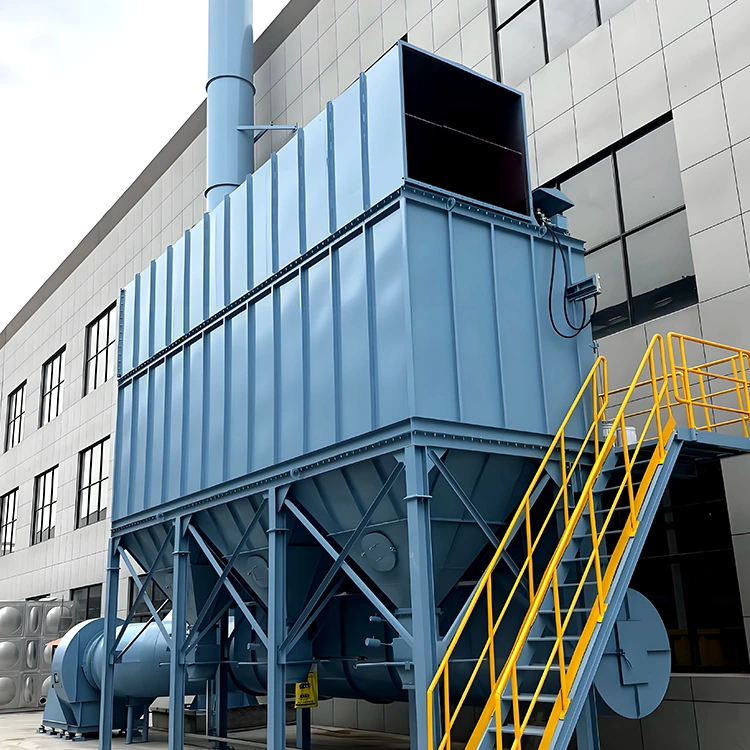
Baghouse Dust Collector
Jiangteng is a professional manufacturer and supplier of Baghouse Dust Collectors from China. Designed to address industrial dust disposal issues, this product offers highly efficient dust collection, stability, durability, intelligent convenience, flexible adaptability, and supports customization. Please feel free to contact us anytime.
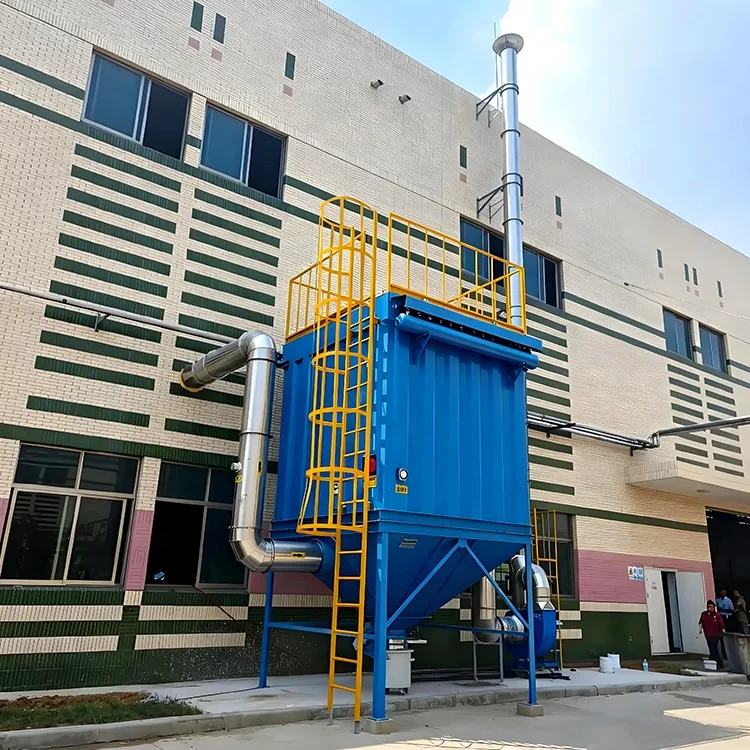
Standalone Baghouse Dust Collector
Jiangteng is a professional manufacturer and supplier of Standalone Baghouse Dust Collectors. Our equipment not only collects dust but is also a key investment for ensuring production continuity, improving environmental protection, and saving long-term operating costs. Please contact us anytime for customized needs.
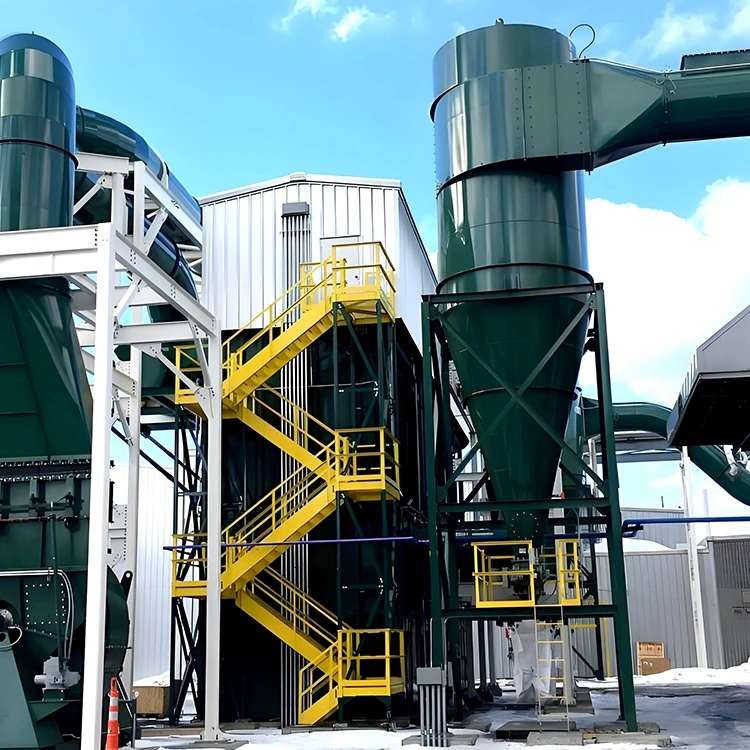
Cyclone Dust Collector
Jiangteng is a professional and reliable manufacturer and supplier of Cyclone Dust Collector. As a direct manufacturer, we specialize in the R&D and production of industrial dust purification equipment, offering comprehensive end-to-end support—from design and manufacturing to after-sales service. We invite you to contact us to obtain competitive pricing.
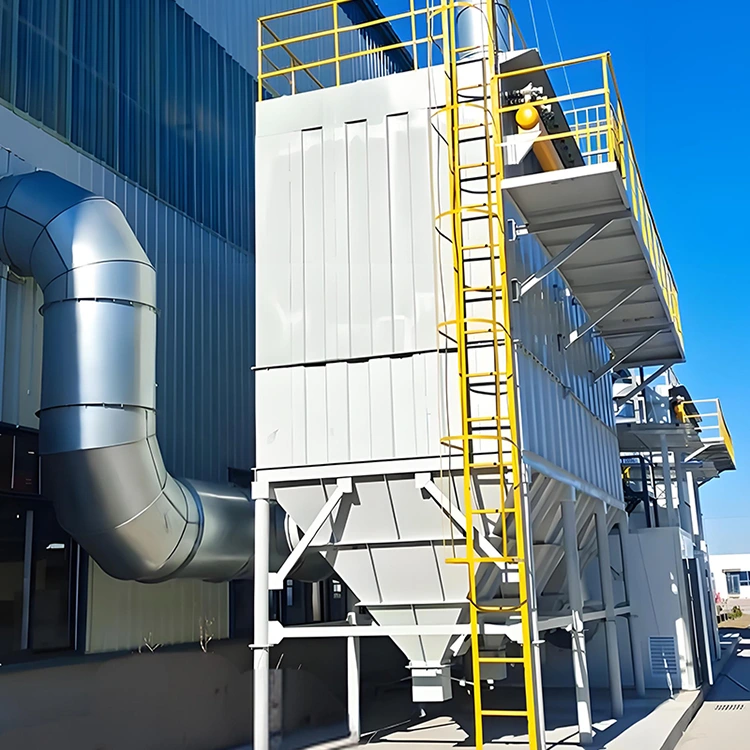
Pulse-Jet Baghouse Dust Collector
Jiangteng's pulse-jet baghouse dust collector is a high-efficiency and stable dust removal device. As a professional and reliable factory, we design solutions to address various industrial dust challenges and support customized solutions. Our products not only ensure dust removal for your production environment but also protect employee health and meet environmental compliance requirements.
As a reliable Baghouse Dust Collectors manufacturer and supplier in China, we have our factory. If you want to buy quality and durable products, please contact us.