
Industrial Dust Collectors from Professional Supplier
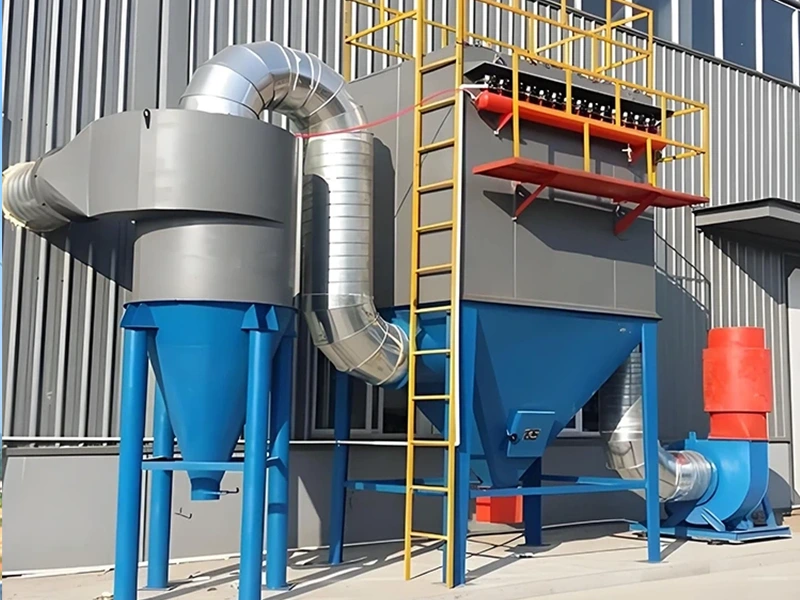
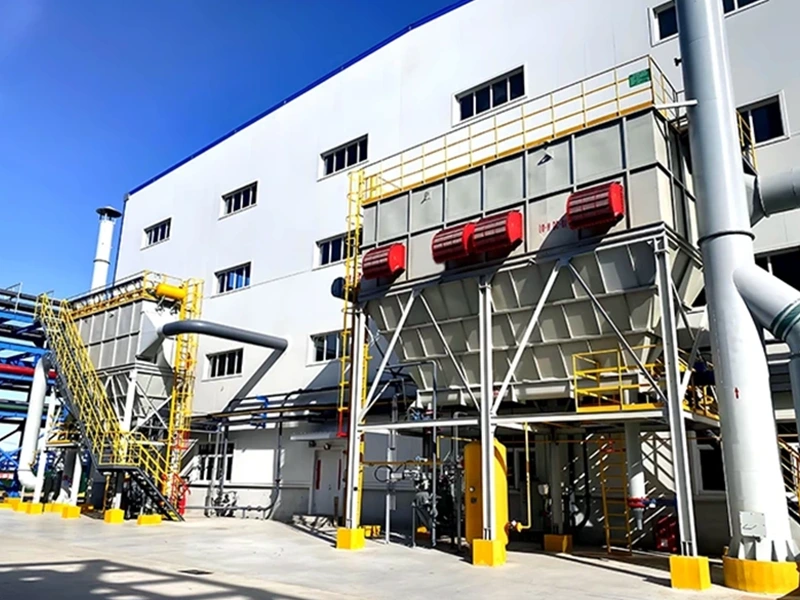
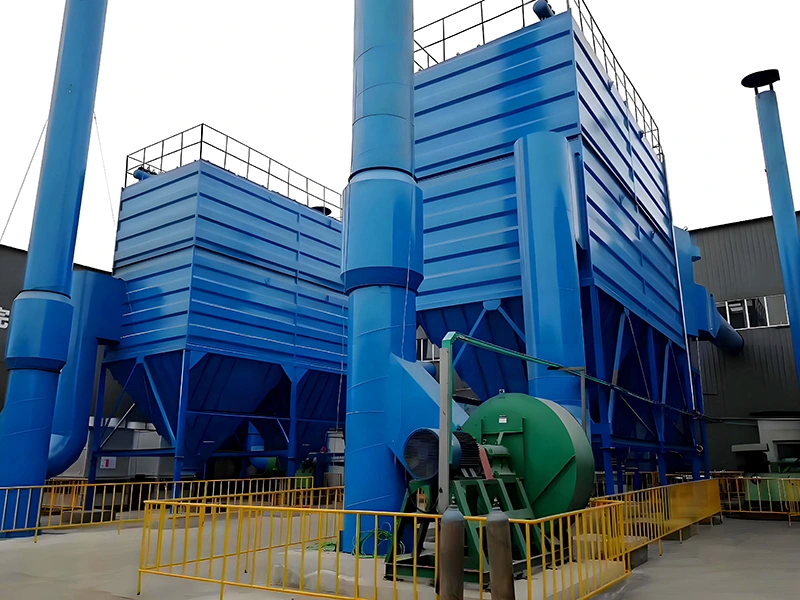
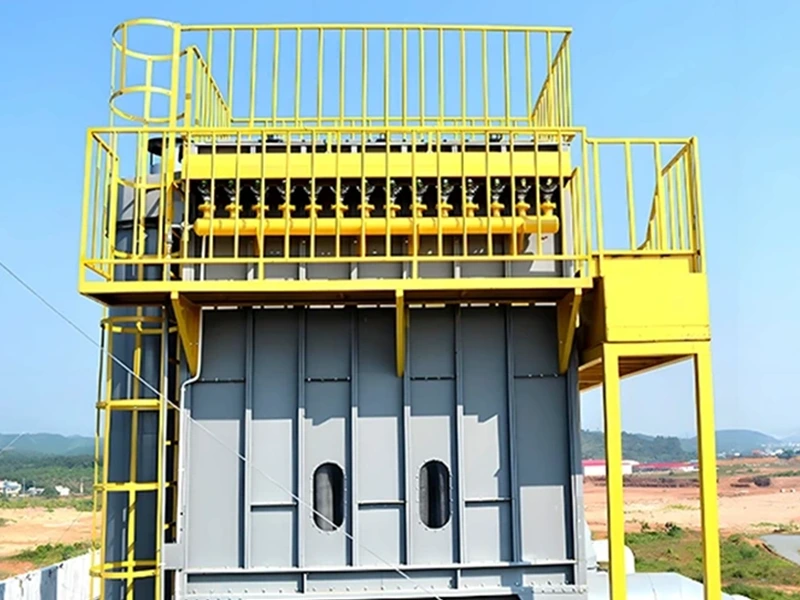
Industrial dust collectors capture and separate airborne particles generated during material handling, production, transfer, and finishing processes. A properly selected system helps control dust at the source, improve the working environment, protect downstream equipment, and support the emission requirements defined for the project. Jiangteng supplies application-based dust collection solutions rather than a single fixed configuration. Equipment type, airflow, filter arrangement, cleaning method, material, inlet and outlet layout, discharge device, and control system can be evaluated around the customer's dust characteristics and site conditions.
Main Types
|
Type |
Best suited to |
Selection notes |
|
Continuous collection of dry process dust across a broad range of industrial applications. |
Filter media, air-to-cloth ratio, temperature, moisture and cleaning system must be matched to the process. |
|
|
Fine, dry dust where a compact footprint and large filter area are useful. |
Dust loading, particle behavior, cartridge media and pulse-cleaning conditions require review. |
|
|
Cyclone / Pre-separation |
Coarser or heavier particles, often as a pre-separation stage. |
Performance depends strongly on particle size, density, airflow and cyclone geometry. |
How an Industrial Dust Collection System Works
● Dust is captured near the source through a hood, enclosure or process connection.
● A fan creates the airflow required to transport dust-laden gas through the ductwork.
● The selected separation stage removes particles from the gas stream.
● Collected dust is discharged through a hopper, rotary valve, screw conveyor or another project-specific arrangement.
● The cleaned gas is discharged or routed to the next treatment stage according to the process design.
What Can Be Customized?
|
Item |
Customization scope |
|
Airflow and system resistance |
Calculated from capture points, duct routing, dust loading and operating conditions; final values require technical confirmation. |
|
Filter configuration |
Bag or cartridge format, filter-media selection, quantity and arrangement. |
|
Body and surface |
Carbon steel, stainless steel or application-specific material; coating and color by project. |
|
Inlet, outlet and hopper |
Connection size, position, flange, hopper angle and dust-discharge interface. |
|
Cleaning and controls |
Pulse-cleaning arrangement, differential-pressure monitoring, PLC, VFD and interlocks when required. |
|
Dust discharge |
Rotary valve, screw conveyor, bin or other discharge arrangement selected for the collected material. |
Typical Applications
Dust collection systems may be configured for cement and building materials, mining and mineral processing, steel and foundry operations, chemical and fertilizer production, grain and feed handling, biomass, power plants, woodworking, welding and metalworking, and solid-waste processing.
Selection Guide
● Define the dust source, number of collection points and required capture method.
● Provide dust type, particle size, concentration, bulk behavior, moisture and abrasiveness.
● Confirm gas temperature, humidity, corrosiveness and any condensation risk.
● State the required airflow or provide enough process information for airflow calculation.
● Identify emission targets, operating schedule, installation space, voltage and frequency.
● Flag combustible or explosive dust before selection; a standard collector must not be assumed suitable for a hazardous application.
Why Work with Jiangteng?
● Application review and equipment selection based on the information provided.
● Custom dimensions, materials, interfaces and discharge arrangements.
● General arrangement, foundation, installation and electrical drawings can be prepared as agreed.
● Available inspection support includes dimensional, welding, airtightness and no-load checks where applicable.
● We offer remote installation guidance, operating documentation, maintenance communication and spare-parts support.
FAQ
How do I choose between a baghouse and a cartridge dust collector?
The decision depends on dust loading, particle behavior, moisture, temperature, available space, cleaning requirements and maintenance preferences. Send the operating data so the two options can be compared for your project.
Can the dust collector be connected to existing ductwork?
Yes. Connection size, position and flange type can be reviewed against the available drawings and site measurements.
Can Jiangteng provide a complete dust collection system?
The scope can include the collector, fan, duct interfaces, dust-discharge equipment, controls and supporting documents, subject to the agreed project boundary.
What information is required for a quotation?
Please provide the application, dust properties, airflow or collection points, temperature, moisture, operating hours, emission target, installation space and electrical supply.
Are combustible dust applications supported?
They require a separate hazard review. Dust explosibility data, zoning, applicable standards and protection measures must be confirmed before equipment selection.
What support is available after delivery?
Jiangteng can provide manuals, drawings, remote installation guidance, troubleshooting communication and spare-parts support according to the contract.
Request a Dust Collection Solution
Tell us what process generates the dust and provide the available airflow, dust, temperature and installation information. Jiangteng will review the requirements and discuss a suitable equipment configuration.
- View as
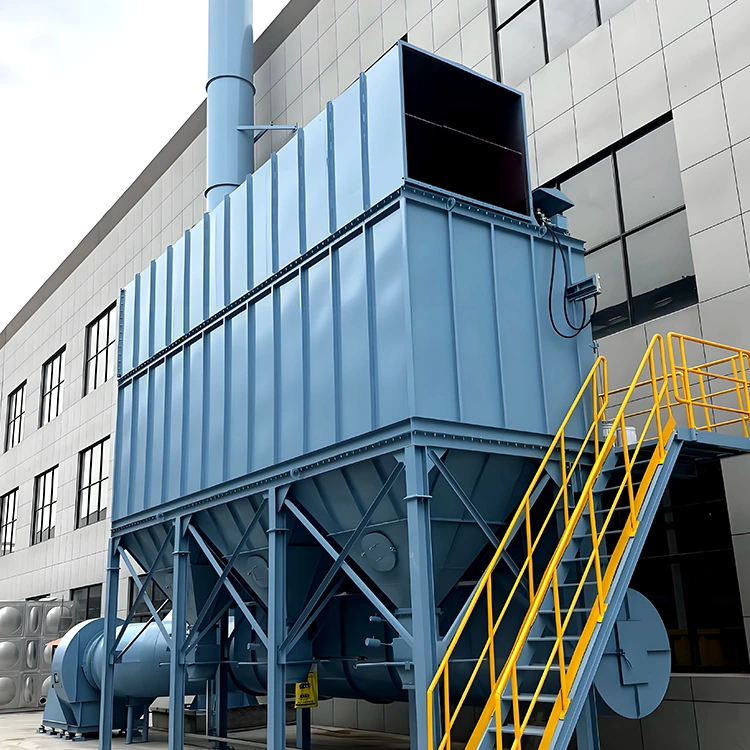
Baghouse Dust Collector
Jiangteng is a professional manufacturer and supplier of Baghouse Dust Collectors from China. Designed to address industrial dust disposal issues, this product offers highly efficient dust collection, stability, durability, intelligent convenience, flexible adaptability, and supports customization. Please feel free to contact us anytime.
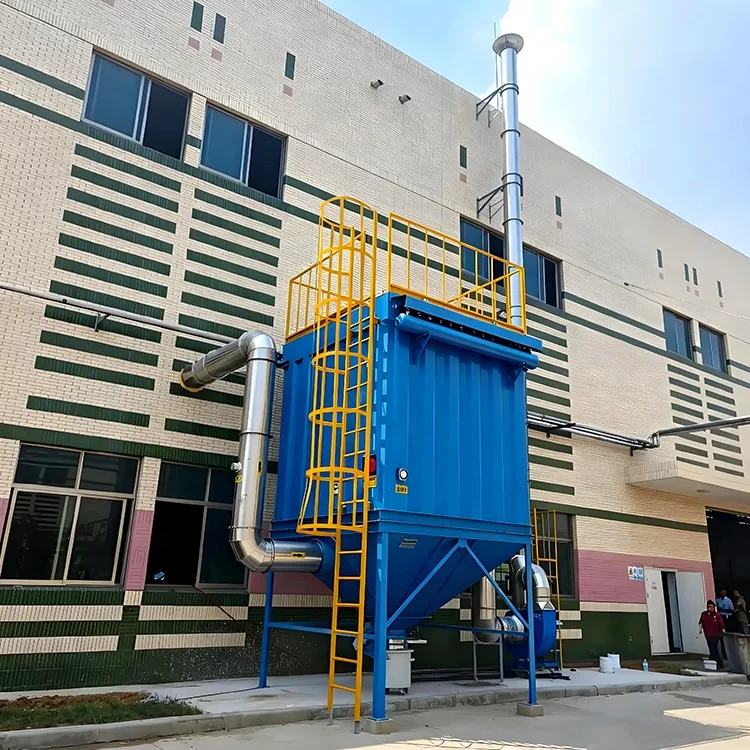
Standalone Baghouse Dust Collector
Jiangteng is a professional manufacturer and supplier of Standalone Baghouse Dust Collectors. Our equipment not only collects dust but is also a key investment for ensuring production continuity, improving environmental protection, and saving long-term operating costs. Please contact us anytime for customized needs.
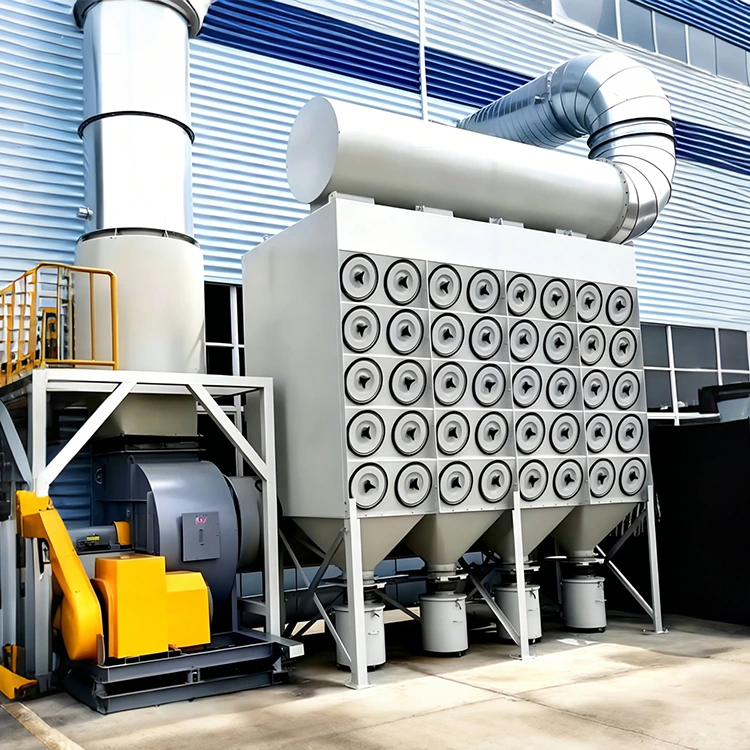
Cartridge Dust Collector
By choosing Jiangteng from China, you are selecting a reliable manufacturer of cartridge dust collectors. We provide dust control solutions for a wide range of industries, seamlessly integrating advanced technology with real-world operating conditions. Our equipment supports customization, operates with exceptional stability, is energy-efficient, and is easy to maintain.
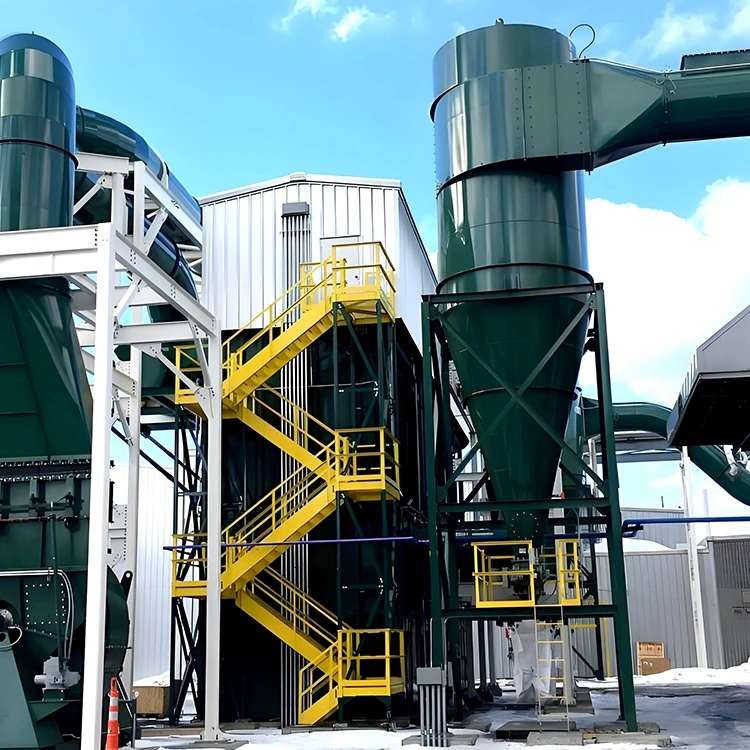
Cyclone Dust Collector
Jiangteng is a professional and reliable manufacturer and supplier of Cyclone Dust Collector. As a direct manufacturer, we specialize in the R&D and production of industrial dust purification equipment, offering comprehensive end-to-end support—from design and manufacturing to after-sales service. We invite you to contact us to obtain competitive pricing.
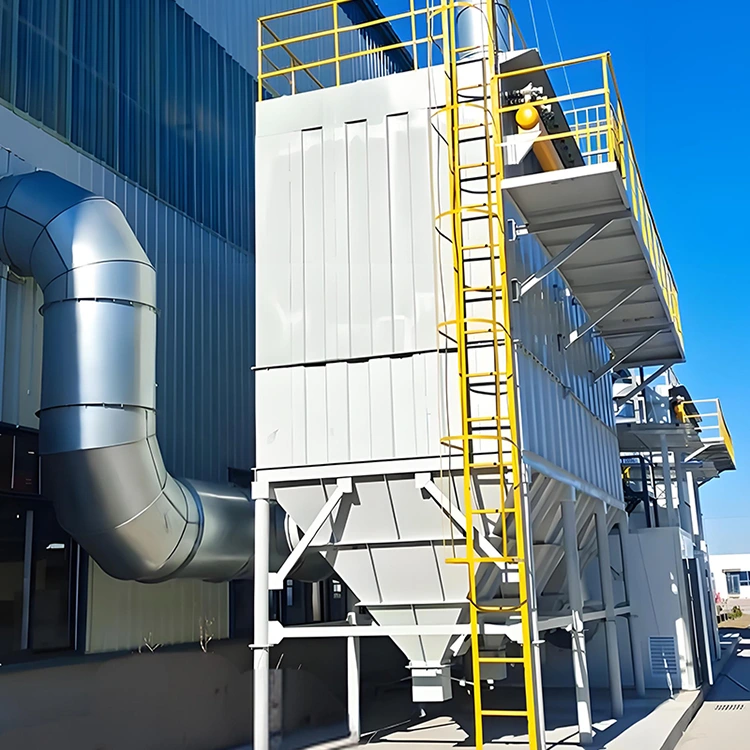
Pulse-Jet Baghouse Dust Collector
Jiangteng's pulse-jet baghouse dust collector is a high-efficiency and stable dust removal device. As a professional and reliable factory, we design solutions to address various industrial dust challenges and support customized solutions. Our products not only ensure dust removal for your production environment but also protect employee health and meet environmental compliance requirements.
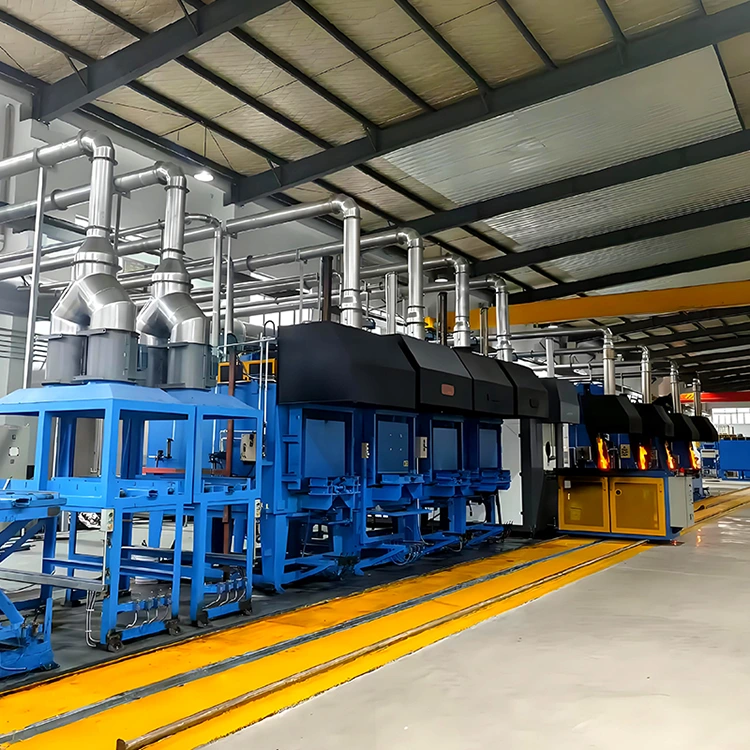
Baghouse Filter
We invite you to customize your Baghouse Filter directly from Jiangteng—a professional manufacturer specializing in stable, high-efficiency filtration systems designed specifically for industrial boilers. Our equipment boasts exceptional dust removal efficiency, ensures stable operation across diverse industrial settings, and offers ease of use and maintenance—all while significantly reducing energy consumption.
As a reliable Dust Collectors manufacturer and supplier in China, we have our factory. If you want to buy quality and durable products, please contact us.