English
- English
- Español
- Português
- русский
- Français
- 日本語
- Deutsch
- tiếng Việt
- Italiano
- Nederlands
- ภาษาไทย
- Polski
- 한국어
- Svenska
- magyar
- Malay
- বাংলা ভাষার
- Dansk
- Suomi
- हिन्दी
- Pilipino
- Türkçe
- Gaeilge
- العربية
- Indonesia
- Norsk
- تمل
- český
- ελληνικά
- український
- Javanese
- فارسی
- தமிழ்
- తెలుగు
- नेपाली
- Burmese
- български
- ລາວ
- Latine
- Қазақша
- Euskal
- Azərbaycan
- Slovenský jazyk
- Македонски
- Lietuvos
- Eesti Keel
- Română
- Slovenski

How Can a Silo Slide Gate Valve Improve Material Flow Control, Sealing Performance, and Industrial Efficiency
Article Summary: A reliable silo slide gate valve is essential for controlling material discharge, isolating process equipment, and maintaining operational stability in industrial handling systems. Jiangteng provides industrial valve solutions designed around sealing performance, operating conditions, material compatibility, and maintenance requirements. This guide explains how slide gate valves work, which technical specifications matter most, how to select suitable materials and actuators, and what buyers should consider before choosing a valve for a silo or bulk material handling application.
Table of Contents
- What Is a Silo Slide Gate Valve?
- How Does a Silo Slide Gate Valve Work?
- What Are the Main Benefits?
- Where Are Silo Slide Gate Valves Used?
- Which Technical Specifications Matter?
- How Do You Choose the Right Valve?
- How Can You Improve Installation and Maintenance?
- What Common Selection Mistakes Should You Avoid?
- Frequently Asked Questions
- Conclusion
What Is a Silo Slide Gate Valve?
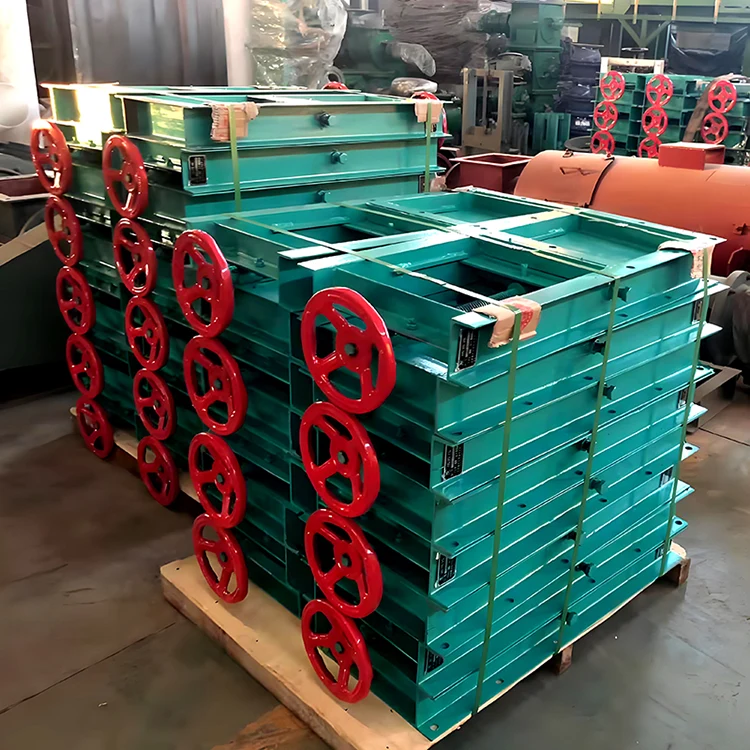
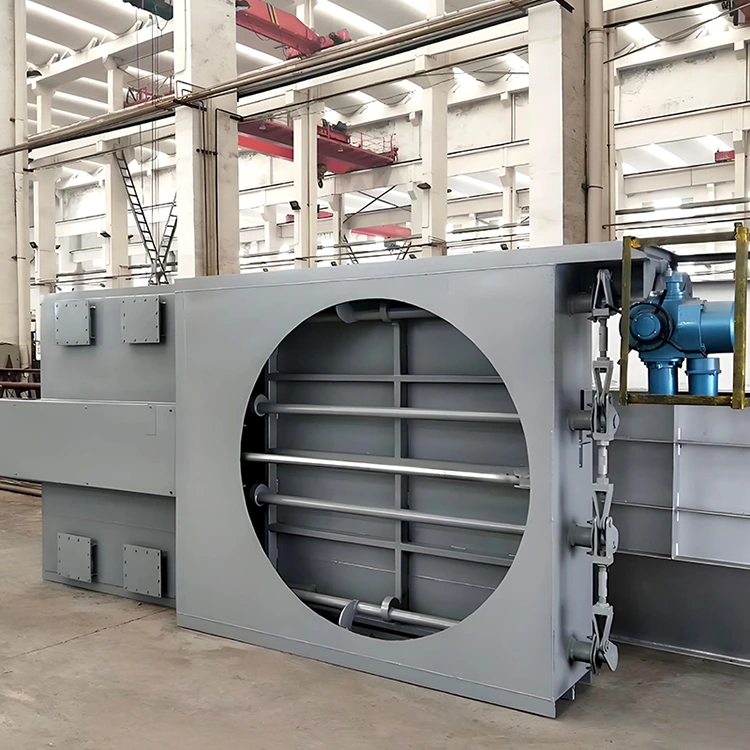
A silo slide gate valve is an industrial flow-control device that uses a sliding gate or plate to open, restrict, or close a material passage. Installed at a silo outlet, hopper discharge point, chute, or connected duct, it helps operators manage the movement of bulk solids and, in suitable designs, isolate gas or dust-laden flow.
Depending on its construction, a slide gate can handle materials such as cement powder, fly ash, mineral particles, granules, and other process media. The appropriate design depends on whether the application requires simple shut-off, frequent cycling, automated control, or a specific sealing performance.
For industrial buyers, choosing the right silo slide gate valve from Jiangteng starts with understanding the material, installation geometry, operating conditions, and required control method.
It is also important to distinguish between valves intended for bulk solids and those engineered for gas or fluid service. Although their sliding mechanisms may appear similar, their sealing arrangements, pressure ratings, and operating requirements can differ considerably.
How Does a Silo Slide Gate Valve Work?
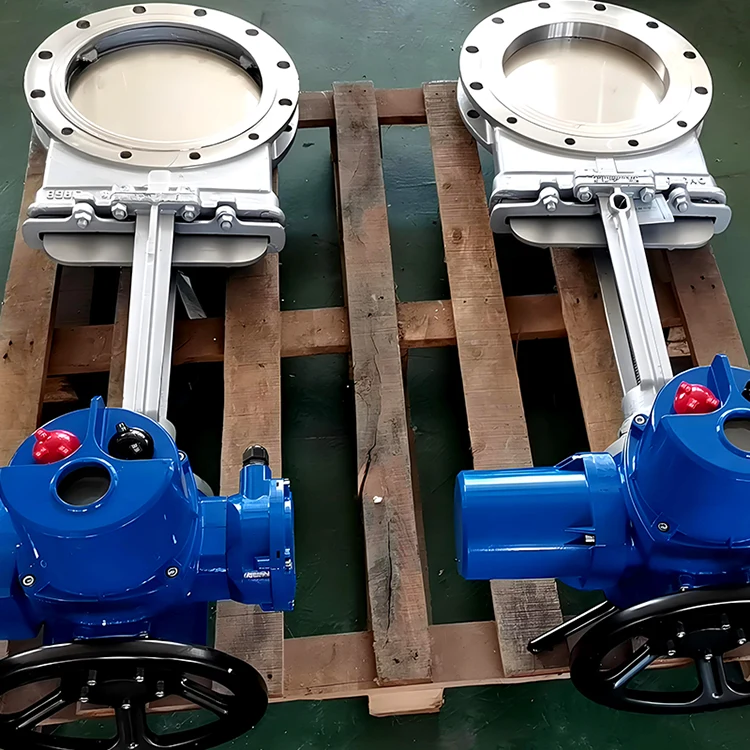
The operating principle is straightforward: a movable gate travels across an opening to control the passage of material. Depending on the model, movement can be provided by a handwheel, an electric actuator, a pneumatic cylinder, or a hydraulic mechanism.
- Open position: The gate retracts from the passage, allowing material to move through the available opening.
- Closed position: The gate covers the opening to stop or isolate the flow, subject to the valve's design and sealing capability.
- Intermediate position: Some models permit partial opening for flow adjustment, but suitability for continuous throttling must be confirmed with the manufacturer.
In a manually operated model, a handwheel turns a stem mechanism that converts rotary motion into linear gate movement. Automated versions use an actuator to move the gate according to a local command or a signal from a control system.
For example, a cement handling line may use a slide gate beneath a storage silo to isolate downstream equipment during maintenance. In another installation, a gate may coordinate material discharge with a conveyor or receiving hopper.
For powder-handling applications, the gate must be designed around the material's tendency to compact, bridge, or accumulate near the sealing surfaces. Correct clearances, suitable seals, and proper alignment all contribute to dependable operation.
What Are the Main Benefits of a Silo Slide Gate Valve?
1. Controlled Material Discharge
A slide gate provides a practical means of starting and stopping material flow at selected points in a bulk handling system. This supports coordinated operation between storage equipment, conveyors, feeders, and downstream processing machinery.
2. Sealing and Leakage Management
Sealing performance depends on the gate geometry, sealing material, manufacturing accuracy, operating pressure, and characteristics of the medium. Properly selected seals can help reduce unwanted leakage and dust escape.
Where stringent isolation is required, buyers should request documented leakage-test criteria rather than assuming that every slide gate offers zero-leakage performance.
3. Flexible Operating Options
Manual actuation can suit simple installations with infrequent operation. Pneumatic and electric actuators can support more frequent cycling or integration into automated production lines.
4. Maintenance Accessibility
A serviceable design allows inspection of the gate, stem, guides, seals, and actuator without unnecessary dismantling. Replaceable wear components can simplify routine maintenance and help reduce equipment downtime.
5. Adaptability to Different Environments
Body materials, gate construction, coatings, and seals can be selected according to corrosion exposure, temperature, abrasion, and hygiene requirements. Custom dimensions may also help the valve fit existing silo outlets or duct connections.
Where Are Silo Slide Gate Valves Used?
Silo slide gate valves are commonly considered for applications where material flow must be isolated or controlled at a defined point. Typical installations include:
- Cement production: Managing powder discharge from storage silos, hoppers, and transfer points.
- Concrete batching plants: Isolating cement or mineral powder outlets during equipment operation and servicing.
- Power generation: Handling fly ash and other compatible bulk materials in collection and transfer systems.
- Mining and mineral processing: Controlling the discharge of suitable granular or abrasive materials.
- Chemical processing: Managing compatible powders or granules with appropriate material and sealing selections.
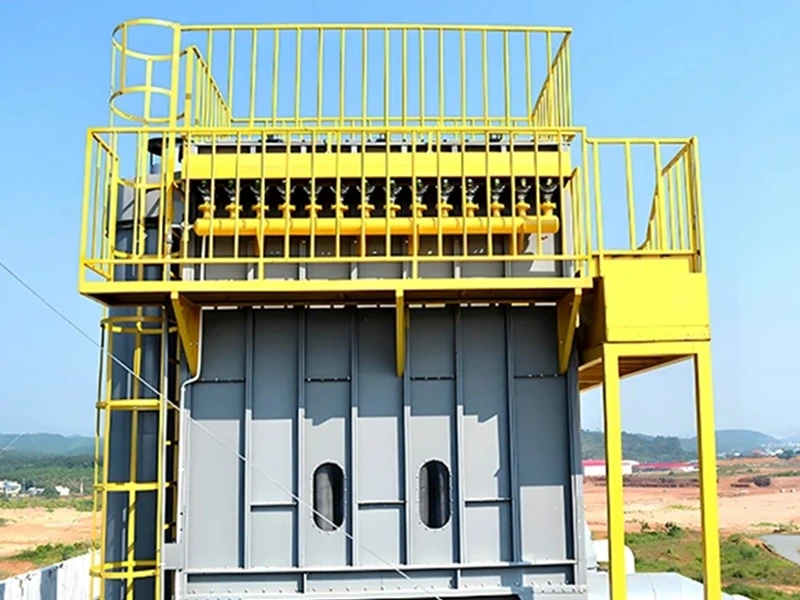
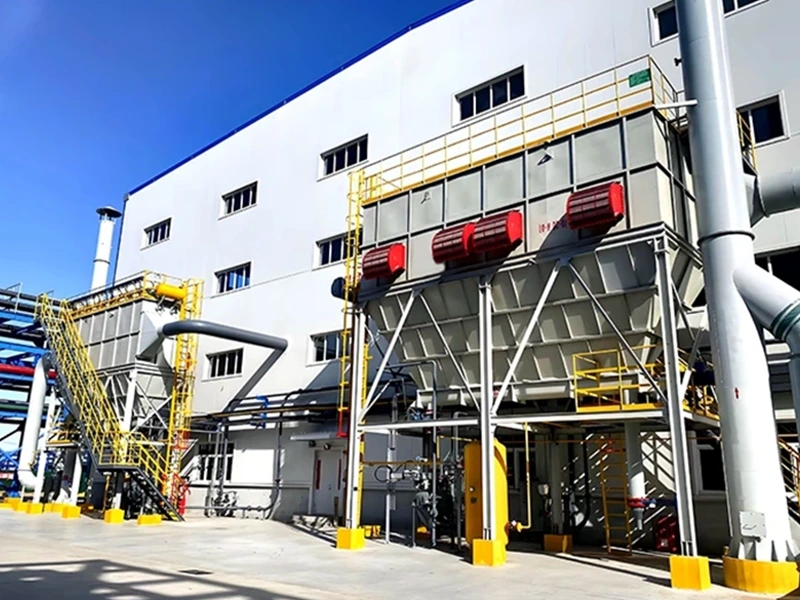
- Dust collection systems: Isolating selected discharge points or connecting equipment where the valve design matches the process requirements.
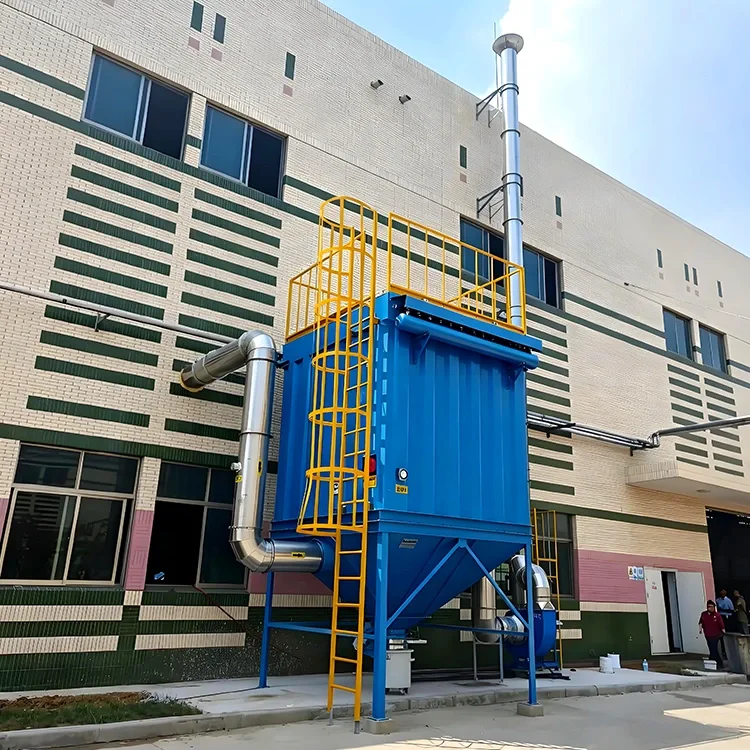
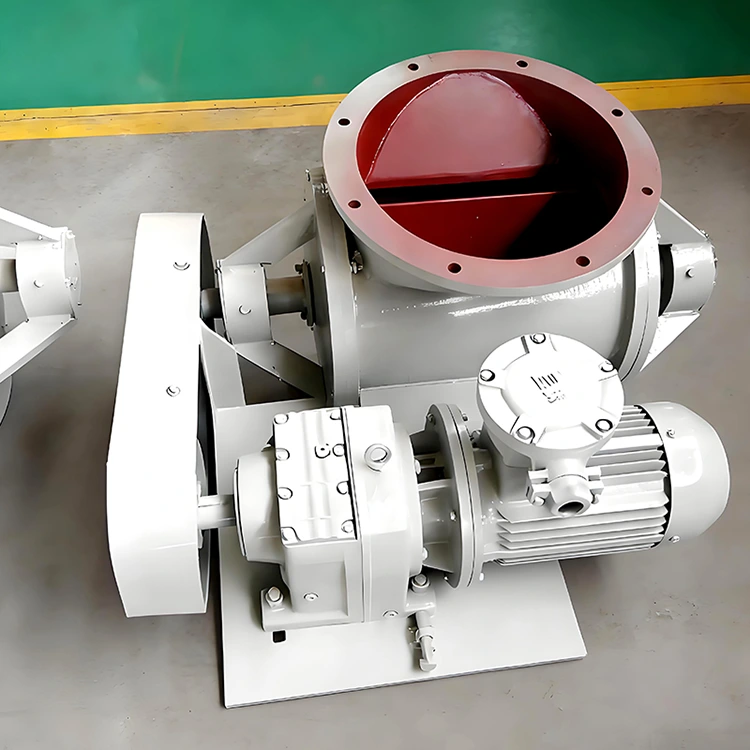
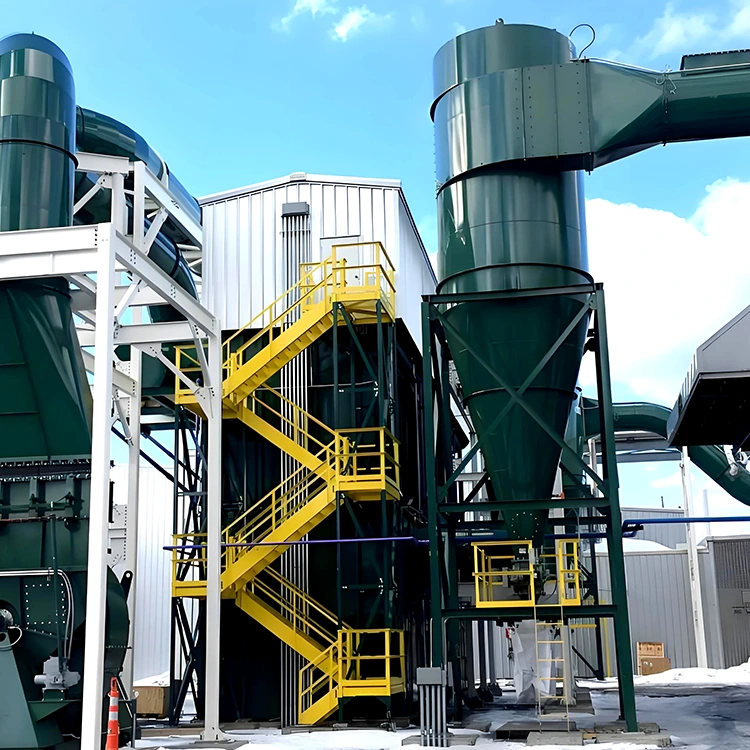
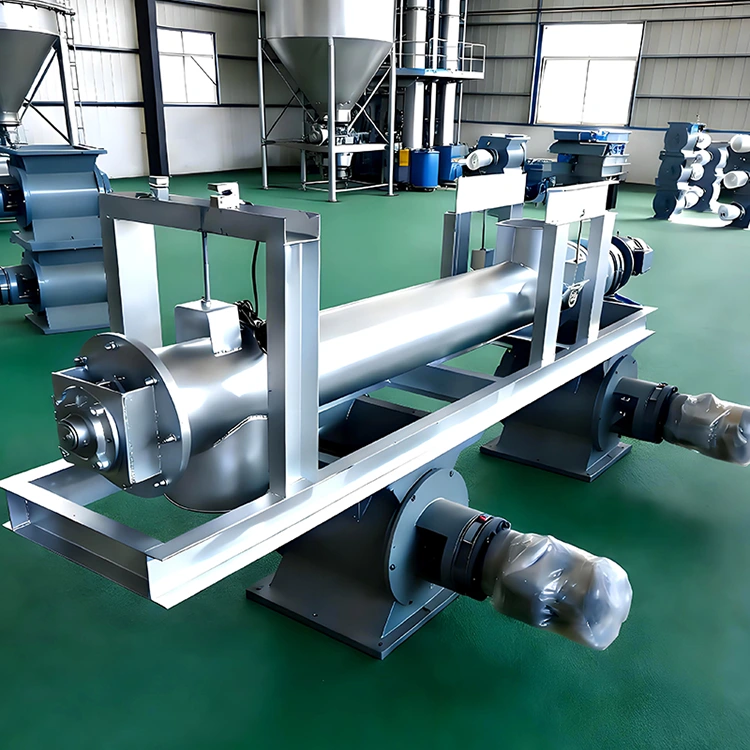
For a complete material handling installation, a slide gate may operate alongside industrial dust collection equipment, screw conveyors, drag chain conveyors, bucket elevators, or rotary valves. Each component should be selected as part of the overall process rather than treated as an independent purchase.
Before specifying a valve, confirm whether it will handle free-flowing solids, cohesive powder, abrasive particles, dust-laden gas, or another medium. These conditions influence both the gate design and the required sealing arrangement.
Which Technical Specifications Matter When Buying a Silo Slide Gate Valve?
Technical specifications determine whether a valve can fit the installation and perform reliably under actual operating conditions. The following table summarizes key parameters published for Jiangteng's slide gate valve product range. Final selection should be confirmed against the specific model and project requirements.
| Parameter | Published Specification or Option | What Buyers Should Confirm |
|---|---|---|
| Round opening | 100–5000 mm | Required effective opening and connection dimensions |
| Square opening | Interface developed according to client specifications | Flange dimensions, bolt pattern, and installation clearance |
| Connection | Flanged or welded | Compatibility with the existing equipment or ductwork |
| Operating temperature | Published general range: -30°C to 600°C | Actual model limits, seal temperature rating, and thermal cycling |
| Design pressure | ±5000 Pa | Whether this rating applies to the selected configuration and service |
| Leakage performance | Published range: ≤1% to zero leakage | Applicable test method, operating conditions, and acceptance criteria |
| Primary materials | Carbon steel, cast steel, 304 stainless steel, 316 stainless steel, heat-resistant steel | Corrosion resistance, abrasion resistance, and process compatibility |
| Sealing configuration | Soft seal or hard seal | Medium properties, temperature, pressure, and leakage requirements |
| Actuation | Manual, electric, pneumatic, electro-hydraulic, or hydraulic | Operating frequency, available utilities, and automation requirements |
| Installation orientation | Horizontal, vertical, or inclined duct | Manufacturer approval for the actual mounting arrangement |
Important specification note: The product information also describes broader pressure and temperature capabilities for certain configurations. These should not be interpreted as universal ratings for every silo slide gate valve. Request the applicable technical datasheet and written confirmation for the exact model before purchasing.
How Do You Choose the Right Silo Slide Gate Valve?
Selecting a suitable valve involves more than matching the opening diameter. A technically appropriate selection balances process requirements, mechanical compatibility, operating conditions, and lifecycle cost.
Step 1: Identify the Medium
Provide the material name and, where relevant, particle size, bulk density, moisture content, abrasiveness, corrosiveness, and tendency to stick or bridge. These characteristics affect gate clearance, wear protection, and seal selection.
Step 2: Confirm the Operating Conditions
Specify normal and maximum operating temperatures, pressure or differential pressure, expected flow conditions, and the frequency of opening and closing. Confirm whether the valve will be used for bulk solids, gas, or another service.
Step 3: Select the Body and Seal Materials
Carbon steel may be suitable for many general industrial environments. Stainless steel may be preferred where corrosion resistance or cleanliness is important. Heat-resistant alloys and specialized sealing materials may be required for more demanding conditions.
Elastomer seals, fluoropolymer seals, and metal-to-metal sealing arrangements each have different operating limits. The final choice should reflect actual media compatibility and temperature exposure.
Step 4: Choose the Actuation Method
| Actuation Type | Typical Advantages | Best-Fit Considerations |
|---|---|---|
| Manual | Simple arrangement and limited control-system requirements | Infrequent operation and accessible installation points |
| Pneumatic | Suitable for automated cycling where compressed air is available | Air supply, actuator force, cycle frequency, and control valves |
| Electric | Convenient integration with electrical controls and remote commands | Power supply, duty rating, control signals, and position feedback |
| Hydraulic or electro-hydraulic | Can provide substantial actuation force for suitable designs | Required force, hydraulic equipment, maintenance, and system complexity |
Step 5: Verify Dimensions and Integration
Check the inlet and outlet dimensions, flange drilling, face-to-face or overall dimensions, mounting orientation, and actuator clearance. If the valve connects to a conveyor or dust collection system, confirm that the proposed arrangement will not interfere with neighboring equipment.
Buyers can review the Jiangteng product information and provide drawings or installation photographs to support model selection.
How Can You Improve Installation and Maintenance?
Correct installation helps preserve sealing performance, reduce mechanical wear, and prevent avoidable operating problems. A practical maintenance plan should address the complete valve assembly rather than focusing only on the actuator.
Installation Checklist
- Verify the valve dimensions and connection type before installation.
- Check that the supporting structure can carry the valve and actuator loads.
- Align mating flanges or welded connections according to the approved installation procedure.
- Confirm that the gate can travel through its intended operating range without interference.
- Inspect actuator connections, electrical wiring, pneumatic lines, and control signals as applicable.
- Perform the specified functional and leakage tests before placing the equipment into service.
Routine Maintenance Tasks
- Inspect the gate, guides, stem, and sealing surfaces for wear or damage.
- Check for material buildup that could obstruct gate movement.
- Verify actuator operation, fasteners, limit switches, and position indicators.
- Replace worn seals and other service components according to the manufacturer's instructions.
- Record recurring faults, leakage observations, and maintenance intervals to identify developing problems.
Before inspection or repair, isolate the equipment and follow the site's lockout/tagout procedures. Remove stored pressure and confirm that gravity-fed material cannot move unexpectedly. Maintenance should be performed by qualified personnel using the approved safety procedure.
What Common Selection Mistakes Should You Avoid?
Several purchasing and engineering mistakes can shorten service life or compromise process reliability:
- Choosing by size alone: A correctly sized opening does not guarantee compatibility with the material, temperature, or pressure.
- Overlooking leakage requirements: Clarify the allowable leakage rate and test method instead of relying on general marketing descriptions.
- Ignoring material buildup: Cohesive powders and moist materials may require a different gate arrangement from free-flowing granules.
- Using the wrong actuator: Consider required force, operating frequency, available utilities, and control-system integration.
- Assuming every model shares the same ratings: Temperature, pressure, and sealing capabilities must be verified for the specific configuration.
- Neglecting maintenance access: Allow sufficient space to inspect the gate, service the actuator, and replace wear components.
Preventing these mistakes at the specification stage helps buyers compare quotations more accurately and reduces the risk of costly modifications after installation.
Frequently Asked Questions About Silo Slide Gate Valves
1. What is the primary function of a silo slide gate valve?
Its primary function is to open, restrict where permitted, or shut off a passage at a silo, hopper, chute, or compatible duct. The exact function depends on the valve's construction and the application.
2. Can a silo slide gate valve handle abrasive powders?
Yes, appropriately engineered models can be used for certain abrasive materials. Buyers should disclose particle characteristics and operating conditions so the manufacturer can recommend suitable body materials, gate surfaces, guides, and wear components.
3. Is a manual or automatic slide gate better?
Neither option is universally better. Manual operation may be appropriate for occasional adjustments, while pneumatic or electric actuation can suit frequent cycling and automated process control. Selection should reflect operating frequency, safety requirements, available utilities, and budget.
4. How do I determine the correct valve size?
Start with the required flow passage and the dimensions of the connected silo or duct. Then consider material behavior, discharge capacity, installation space, and connection details. A manufacturer should review the application before confirming the final size.
5. What information is needed for a quotation?
Prepare the medium name, opening dimensions, connection type, temperature, pressure, operating frequency, preferred actuation method, material requirements, installation orientation, and relevant drawings. This information helps the supplier recommend a suitable configuration.
6. How can leakage be reduced?
Use a valve with a sealing arrangement appropriate for the medium and operating conditions. Correct installation, clean sealing surfaces, regular inspection, and timely seal replacement also contribute to performance. Any zero-leakage requirement should be supported by an agreed test standard and documented results.
7. How often should the valve be maintained?
Maintenance frequency depends on operating cycles, material abrasiveness, contamination, temperature, and the manufacturer's instructions. Establish an inspection schedule based on actual service conditions and adjust it when operating data indicates excessive wear or recurring faults.
Conclusion: How Can You Specify a More Reliable Silo Slide Gate Valve?
A well-selected silo slide gate valve can improve material handling reliability by providing appropriate flow isolation, dependable sealing, and manageable maintenance requirements. The most effective selection process considers the medium, opening dimensions, temperature, pressure, actuator, connection geometry, and documented performance requirements together.
Jiangteng offers industrial valve solutions with multiple material, sealing, connection, and actuation options. To identify a configuration that fits your project, review the Silo Slide Gate Valve product page and prepare your operating specifications before requesting a quotation. If you need help comparing models, confirming technical compatibility, or discussing a customized installation, contact us with your application details and engineering requirements to start the selection process.
Related News
- How Can a Stainless Steel Slide Gate Valve Improve Industrial Flow Control and Operational Reliability
- How Can a High-Temperature Rotary Valve Improve Material Handling Efficiency in Extreme Industrial Environments
- How Can a Standalone Baghouse Dust Collector Improve Industrial Air Quality and Production Efficiency
- How Can a Standalone Baghouse Dust Collector Improve Industrial Air Quality and Reduce Operating Costs
- How Can a Cartridge Dust Collector Improve Industrial Air Quality and Reduce Operating Costs
- What Makes Baghouse Dust Collectors Effective for Industrial Dust Control?
Leave me a message
News Recommendations