
High-Performance Industrial Rotary Airlock Valves Manufacturer
Looking for a reliable manufacturer and supplier of rotary valves? You can confidently choose Jiangteng from China. Our equipment enables continuous, metered material discharge while minimizing air leakage; it delivers high performance and efficiency, and is easy to operate and maintain.
Discharge and Airlock Functions
A rotary valve transfers powder or granules through a housing by means of a rotating pocket rotor. Depending on the application, it can provide controlled discharge from a hopper, help maintain a pressure boundary, or feed material into a conveying line. It is not automatically an airtight device: leakage depends on pressure difference, clearances, rotor design, seals, wear and operating temperature.
Configuration Matrix
|
Option |
Use case |
Design attention |
|
Standard type |
General gravity discharge of suitable dry powders and granules. |
Capacity, filling efficiency, particle size and clearances. |
|
High-temperature type |
Hot material or gas after confirming the complete temperature boundary. |
Bearing isolation, expansion, seal and drive protection. |
|
Wear-resistant type |
Abrasive mineral, ash or granular applications. |
Rotor/housing material, hardfacing, replaceable liners and clearance growth. |
|
Stainless-steel type |
Corrosive, hygienic or contamination-sensitive duties after review. |
Material grade, surface finish and seal compatibility. |
|
Pneumatic-conveying type |
Feeding material into a conveying line. |
Pressure difference, venting, rotor filling and air leakage. |
The Variables That Control Performance
● Material bulk density, particle size, flowability, and tendency to bridge.
● Required volumetric or mass capacity and rotor speed.
● Pressures above and below the valve and acceptable leakage rates.
● Operating temperature, abrasiveness, corrosiveness, and contamination limits.
● Inlet/outlet dimensions, flange configuration, installation position, and available height.
Rotary Valves vs. Slide Gate Valves
|
Function |
Rotary Valve |
|
|
Material movement |
Continuous or controlled pocket-by-pocket discharge. |
Mainly opens or closes a material path. |
|
Pressure isolation |
Can reduce air exchange when correctly selected; leakage remains application-dependent. |
Not a metering airlock unless specially designed. |
|
Best use |
Hopper discharge, feeding and airlock duty. |
Isolation, maintenance shutoff or emergency closure. |
FAQ
How is rotary-valve capacity calculated?
Capacity depends on rotor pocket volume, filling efficiency, speed and material bulk density. The usable value must account for pressure and material behavior.
How can air leakage be reduced?
Leakage can be influenced by clearances, rotor design, speed, seals, pressure difference and wear. The acceptable leakage level must be defined before selection.
Can a rotary valve handle large particles?
Particle size and hardness must be checked against pocket geometry and clearances. Oversized or hard particles may jam or damage the rotor.
Is an explosion-proof motor enough for combustible dust?
No. The complete hazard, zoning, ignition sources and protective measures require project-specific assessment.
Request a Rotary Valve Configuration
Provide the material, required capacity, inlet/outlet size, pressure difference, temperature, flange, drive and sealing requirements. Jiangteng will review the rotor, clearance, material and drive configuration.
- View as
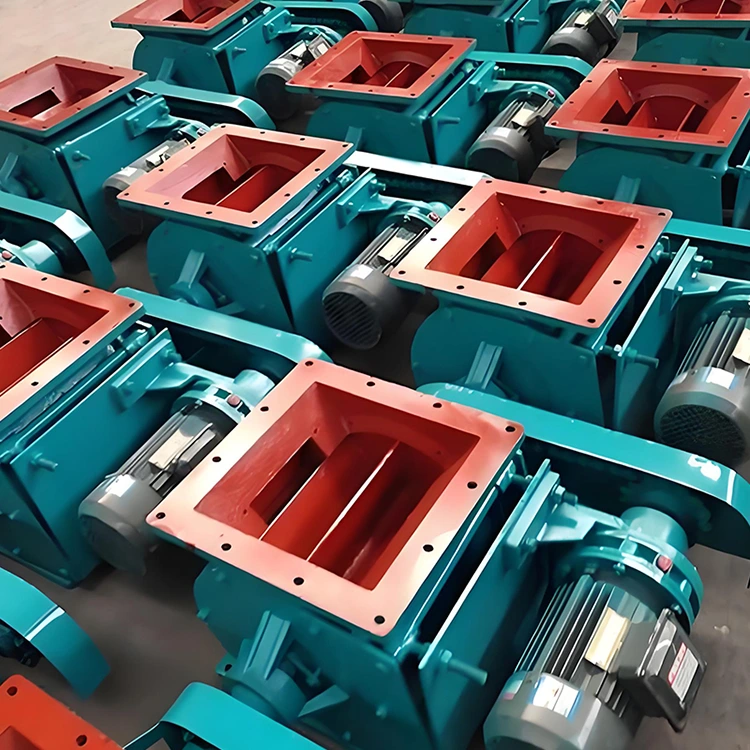
Powder Rotary Valve
Jiangteng is a professional manufacturer and supplier of powder rotary valves. Our equipment is meticulously designed and manufactured for the continuous conveying and air-locking of materials such as powders and granules; featuring a modular design, the units are easy to install and maintain. Please contact us for customized solutions.
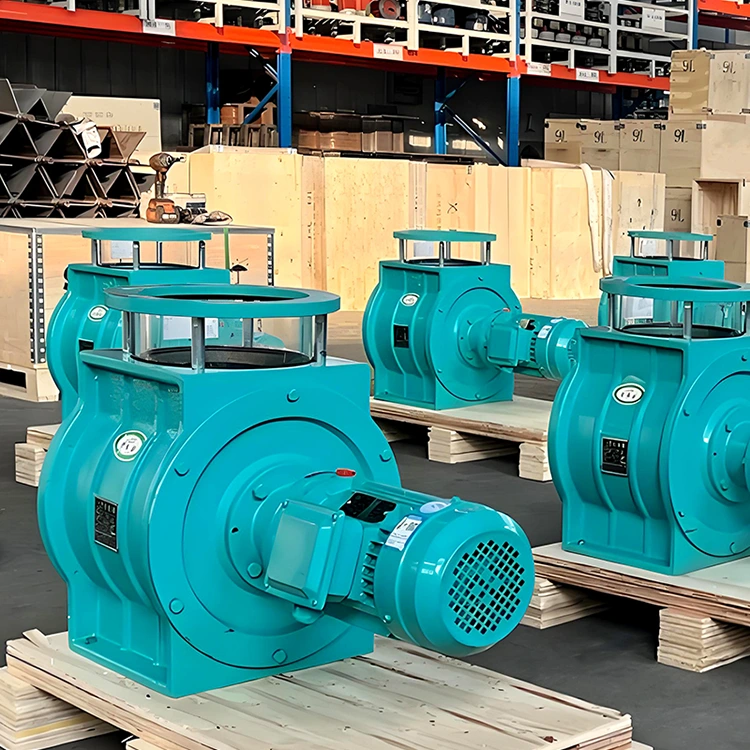
Dust Collector Rotary Valve
The Dust Collector Rotary Valve is a critical control device in automated production processes, designed by the specialist manufacturer Jiangteng for demanding industrial applications. Through precise rotary control, it enables the reliable conveying, distribution, and shut-off of various media, including gases, powders, granules, and corrosive liquids.
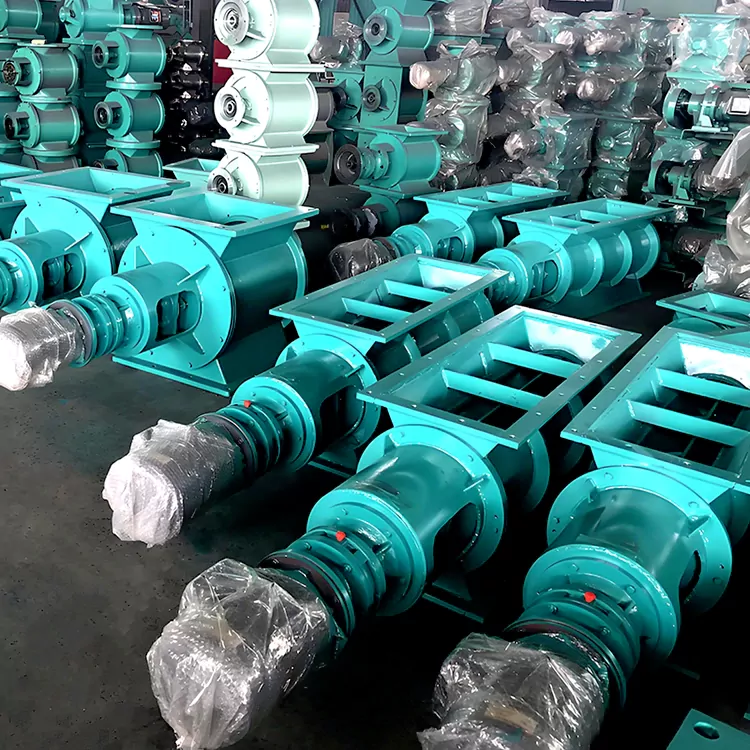
Rotary Feeder
The Rotary Feeder is one of Jiangteng's flagship products. As a professional manufacturer based in China, we provide reliable, hassle-free, and economically sustainable material conveying solutions. We offer comprehensive customization options and provide factory-direct pricing.
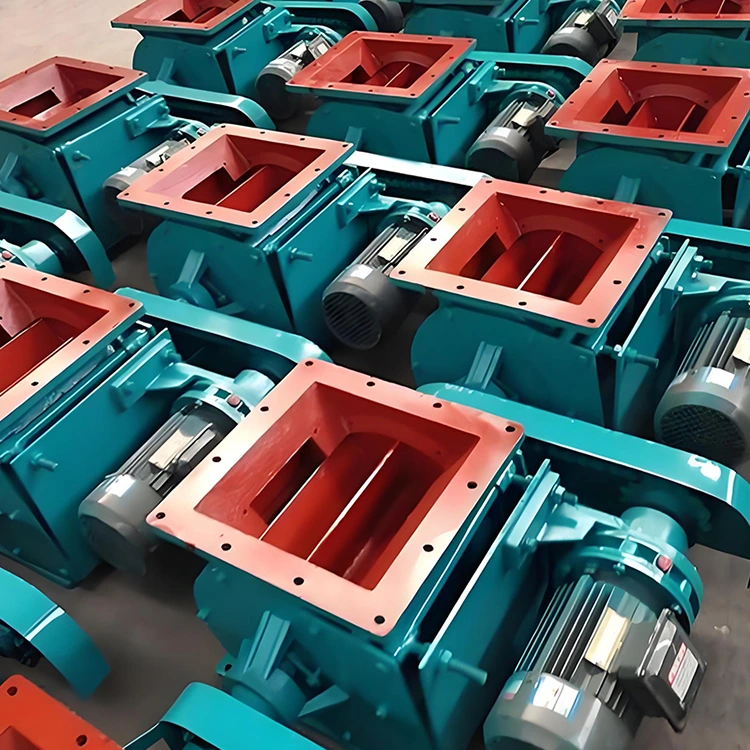
Rotary Airlock Valve
As a professional and experienced manufacturer, Jiangteng provides Rotary Airlock Valves that offer stable, efficient, and trouble-free operation. Our equipment features exceptional wear resistance and a long service life; furthermore, it can be custom-tailored to meet the specific requirements of various industries and operating conditions. Designed for ease of maintenance, our solutions help you achieve significant cost savings.
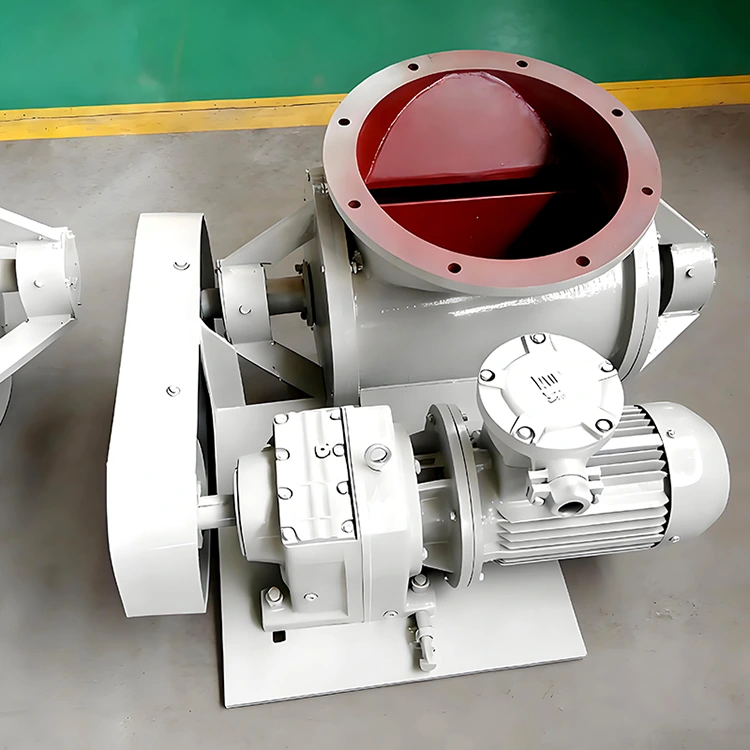
High-Temperature Rotary Valve
Jiangteng is a reliable manufacturer and supplier of high-temperature rotary valves. Specifically engineered for severe, high-temperature operating conditions, this product is capable of performing reliably over extended periods in environments ranging from 300°C to 800°C (customizable up to 1000°C), facilitating the continuous and smooth conveyance of high-temperature materials.
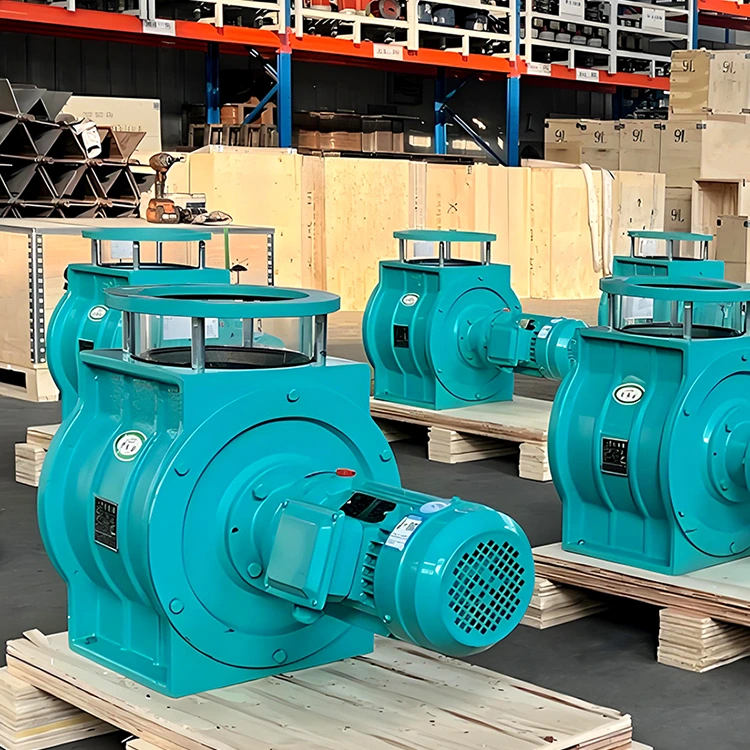
Industrial Rotary Valve
Are you looking for a suitable manufacturer of industrial rotary valves? Jiangteng operates its own manufacturing facility, and we warmly invite you to establish a long-term partnership with us to find the ideal solutions for even the most demanding operating conditions. We offer full customization capabilities, featuring superior sealing performance and exceptional adjustment precision to ensure precise rotary control.
As a reliable Rotary Valves manufacturer and supplier in China, we have our factory. If you want to buy quality and durable products, please contact us.