
Industrial Bucket Elevators with Advanced Design
Jiangteng is a professional manufacturer of bucket elevators; this series of equipment lifts bulk materials along a vertical or designated path using buckets mounted on belts or chains.
Proper model selection depends on factors such as conveying capacity, lifting height, particle size, bulk density, abrasiveness, temperature, humidity, feeding method, and discharge characteristics. We invite you to contact us to discuss your specific operating conditions, and we will provide a one-stop solution.
TD, NE, TH and Z-type Comparison
|
Series |
Conveying member |
Typical material direction |
Selection attention |
|
TD belt |
Rubber or heat-resistant / steel-cord belt as selected. |
Dry, low-abrasion powder, light granules, grain, feed, plastic pellets and similar materials. |
Belt temperature, tracking, bucket fixing, particle size and centrifugal discharge. |
|
NE plate chain |
Sleeve plate chain with inflow feeding and gravity discharge. |
Powder, granules, larger pieces, abrasive or higher-density material. |
Chain load, bucket design, sprocket wear, inlet loading and maintenance. |
|
TH ring chain |
Forged ring chain, commonly double chain, with digging feed and mixed/gravity discharge. |
Powder, granules and small lumps with low-to-medium abrasiveness; temperature requires confirmation. |
Chain material, heat treatment, bucket connection and impact. |
|
Z type |
Belt or chain with horizontal-vertical-horizontal routing. |
Gentler multi-point feeding/discharge duties for suitable granules. |
Particle damage, cleaning, bucket overlap, route and discharge accuracy. |
Main Applications
|
Application Areas |
Primary Materials Conveyed |
Typical Applications |
|
Cement and Building Materials |
Cement, clinker, limestone, fly ash |
Lifting materials to storage silos, grinding mills, or packaging equipment |
|
Mining and Mineral Processing |
Ores, mineral powder, sand and gravel, aggregates |
Vertically lifting crushed, screened, or processed bulk materials |
|
Grain Processing |
Wheat, corn, rice, grains |
Vertical transport between cleaning, processing, and storage equipment |
|
Feed Production |
Feed pellets, grains, protein powder |
Connecting size reduction, mixing, granulation, and storage equipment |
|
Chemicals and Fertilizers |
Fertilizer granules, chemical powders, granular materials |
Lifting raw materials or finished products to the next processing stage |
|
Power and Energy |
Coal, fly ash, etc. |
Vertical transport of boiler fuel and by-products |
|
Food Processing |
Sugar, grains, granular food ingredients |
Conveying bulk materials between different processing elevations |
Operational Recommendations
1. Verify the integrity of the infeed and discharge systems before startup
Ensure the inlet, outlet, and downstream equipment are clear of obstructions to prevent material clogging or accumulation after the bucket elevator starts.
2. Start under no-load or low-load conditions whenever possible
Start the bucket elevator first, then gradually introduce material according to production line requirements. When shutting down, stop the material feed first and allow the equipment to clear out most of the internal material before stopping the machine.
3. Maintain a steady feed rate
Avoid sudden, massive surges of material. Exceeding the designed conveying capacity can lead to overfilled buckets, material fallback, clogging, or overloading of the drive system.
4. Adjust operating parameters based on material characteristics
When handling high-temperature, moist, sticky, or abrasive materials, operate strictly within the equipment's design specifications; do not arbitrarily increase speed or throughput.
5. Monitor for abnormal sounds and vibrations during operation
If periodic knocking, unusual friction noises, significant vibration, or a sudden spike in motor load occurs, promptly inspect the buckets, belt/chain, and internal components.
FAQ
How do I choose between TD, NE and TH?
TD is commonly considered for dry, lower-abrasion materials; NE for heavier, larger or more abrasive duties; TH for suitable powder, granules and small lumps. Final selection requires capacity, height and material data.
What limits the lifting height?
Chain or belt tension, bucket load, drive power, casing stability, splice/connection design and maintenance access all affect the practical height.
How is material spillage reduced?
Correct feeding, bucket filling, speed, head geometry, discharge design, casing sealing and tensioning are all important.
Can the elevator handle hot material?
Possibly, but the chain or belt, bucket, casing, seals, bearings and lubrication must all be checked against continuous and peak temperatures.
Request a Bucket Elevator Selection
Provide the material, required capacity, lift height, particle size, bulk density, moisture, temperature, feeding method and outlet direction. Jiangteng will compare the suitable series and configuration.
- View as
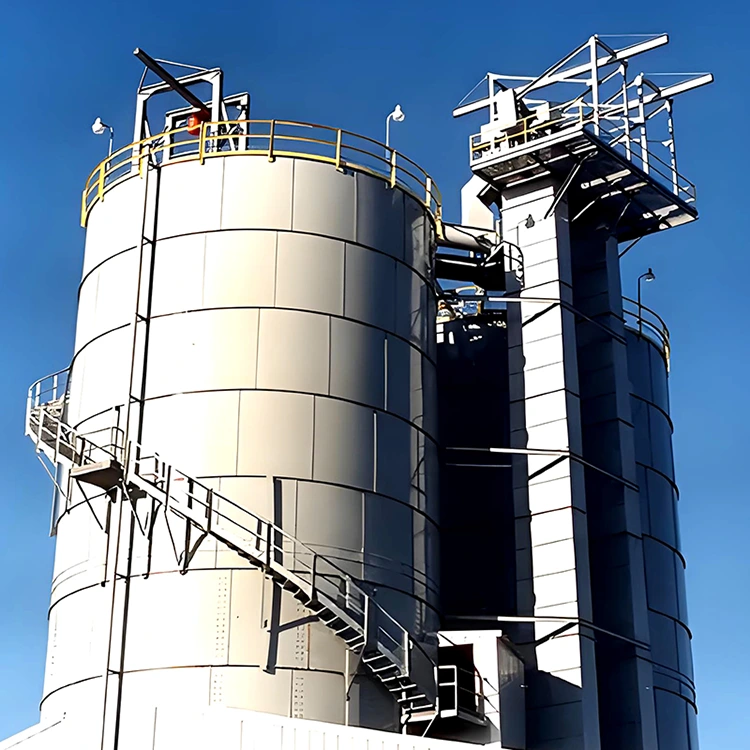
Bucket Elevator for Cement Plant
As a specialized manufacturer from China, Jiangteng offers bucket elevator for cement plant. The units are ideal for the continuous, high-volume transport of bulk materials; featuring robust traction components and a well-configured bucket layout, they offer low energy consumption, stable operation, and ease of maintenance.
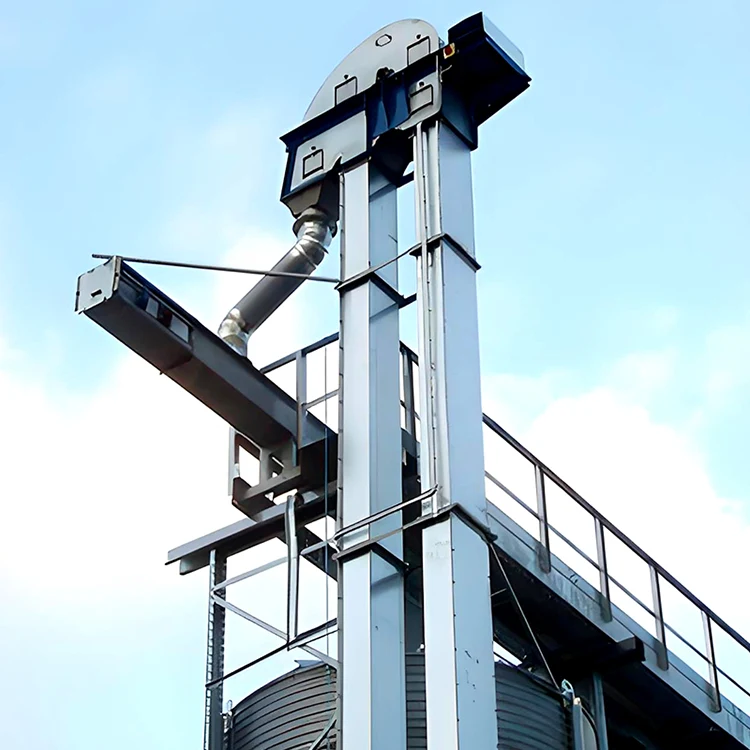
Belt Bucket Elevator
Our Belt Bucket Elevators are designed for the vertical conveyance of powdery, granular, and small-lump materials. Expertly designed and manufactured by Jiangteng—a specialized industry leader—our equipment is available via direct factory sales and can be fully customized to suit your specific operating conditions. Choose our equipment to optimize your production line workflows and significantly enhance your material storage and handling efficiency.
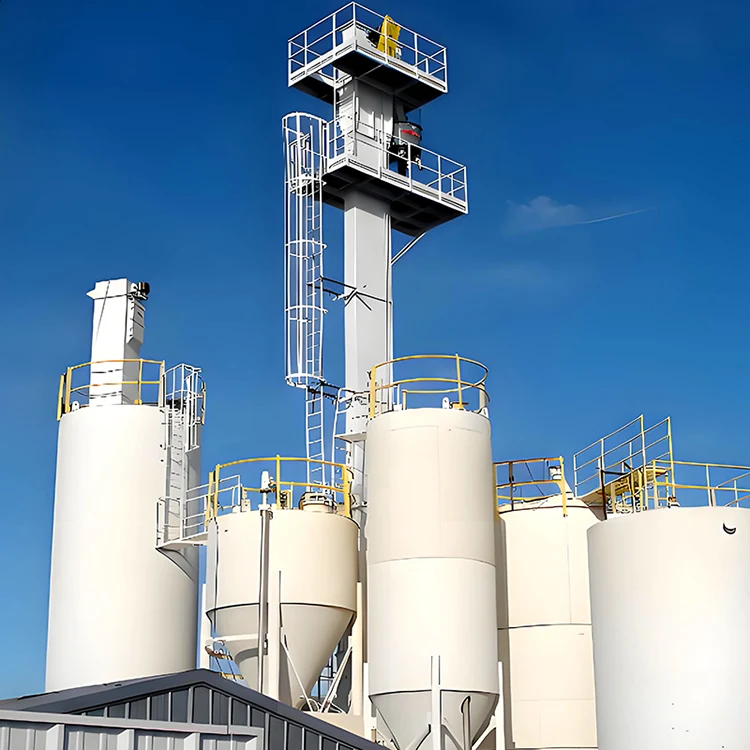
Ring Chain Bucket Elevator
As a direct manufacturer, Jiangteng designs and produces Ring Chain Bucket Elevators capable of continuous, heavy-duty operation. Featuring high throughput and stable performance, these elevators minimize downtime, reduce operating costs, and ensure an extended service life. We invite you to contact us for a quotation.
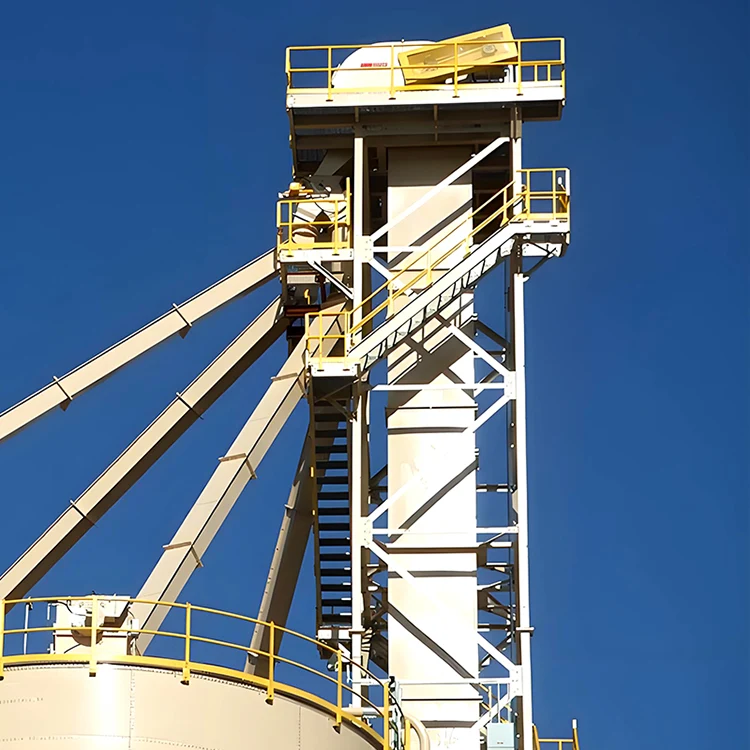
Vertical Bucket Elevator
Our highly efficient and stable Vertical Bucket Elevators—designed and manufactured by the specialized facility, Jiangteng—are ideally suited for handling powdery, granular, and lumpy materials. To accommodate the diverse characteristics of different materials, we offer a variety of traction mechanisms—including belt, plate chain, and ring chain types—providing customized solutions that ensure a high degree of compatibility.
As a reliable Bucket Elevators manufacturer and supplier in China, we have our factory. If you want to buy quality and durable products, please contact us.