English
- English
- Español
- Português
- русский
- Français
- 日本語
- Deutsch
- tiếng Việt
- Italiano
- Nederlands
- ภาษาไทย
- Polski
- 한국어
- Svenska
- magyar
- Malay
- বাংলা ভাষার
- Dansk
- Suomi
- हिन्दी
- Pilipino
- Türkçe
- Gaeilge
- العربية
- Indonesia
- Norsk
- تمل
- český
- ελληνικά
- український
- Javanese
- فارسی
- தமிழ்
- తెలుగు
- नेपाली
- Burmese
- български
- ລາວ
- Latine
- Қазақша
- Euskal
- Azərbaycan
- Slovenský jazyk
- Македонски
- Lietuvos
- Eesti Keel
- Română
- Slovenski

How Can a Standalone Baghouse Dust Collector Improve Industrial Air Quality and Reduce Operating Costs
Jiangteng provides customized Standalone Baghouse Dust Collector solutions for industrial facilities seeking effective dust control, cleaner production environments, and more manageable operating costs. With compact equipment design, efficient bag filtration, and adaptable cleaning systems, manufacturers can address dust at its source while supporting production reliability and environmental management.
A standalone baghouse dust collector is an industrial air filtration system designed to capture airborne particles generated by individual machines or localized production processes. By combining filter bags, airflow management, dust collection, and a suitable cleaning mechanism, it helps control particulate emissions and recover usable materials. This article explains how the equipment works, its main advantages, selection criteria, industry applications, and maintenance requirements. It also examines key technical parameters buyers should evaluate when comparing dust collection solutions from manufacturers such as Jiangteng.
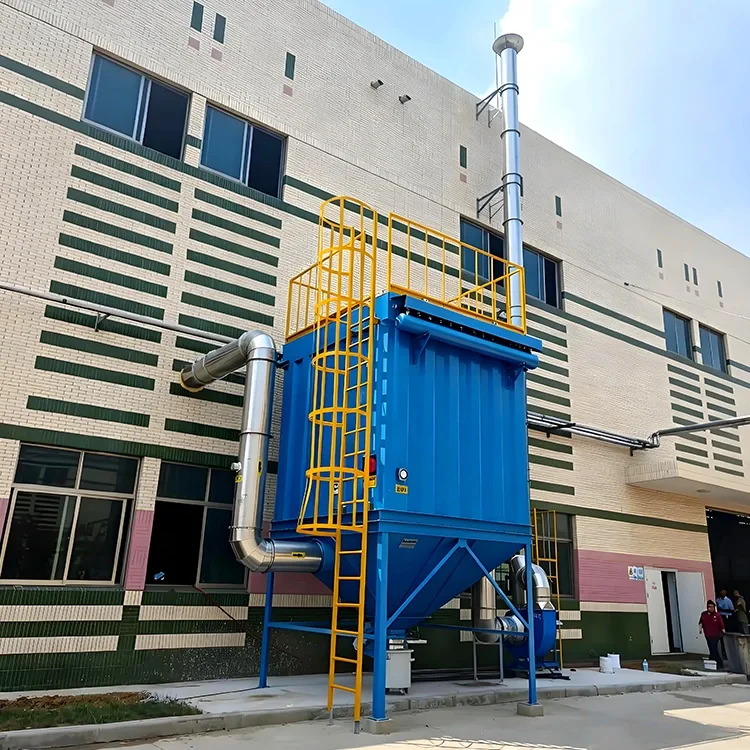
Table of Contents
- What Is a Standalone Baghouse Dust Collector?
- How Does the Filtration Process Work?
- What Are the Main Benefits?
- Technical Specifications and Model Selection
- Which Industries Can Benefit?
- How to Choose the Right Equipment
- Maintenance and Operating Best Practices
- Frequently Asked Questions
- Conclusion: Building a More Effective Dust Control System
What Is a Standalone Baghouse Dust Collector?
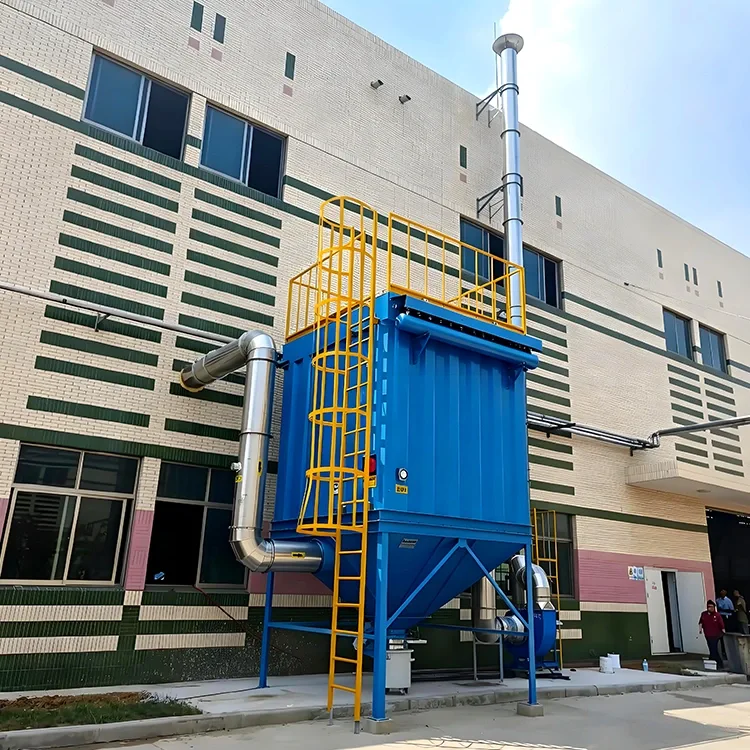
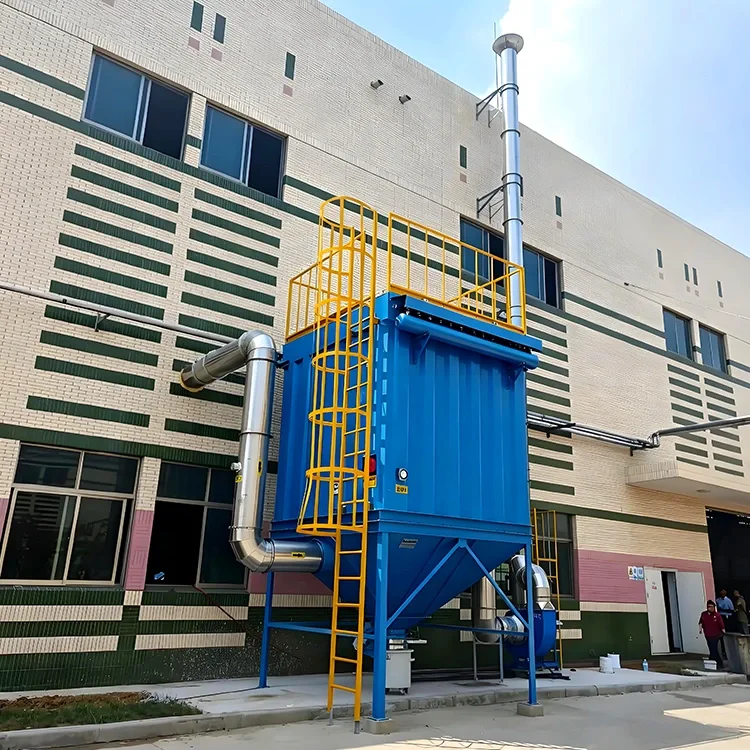
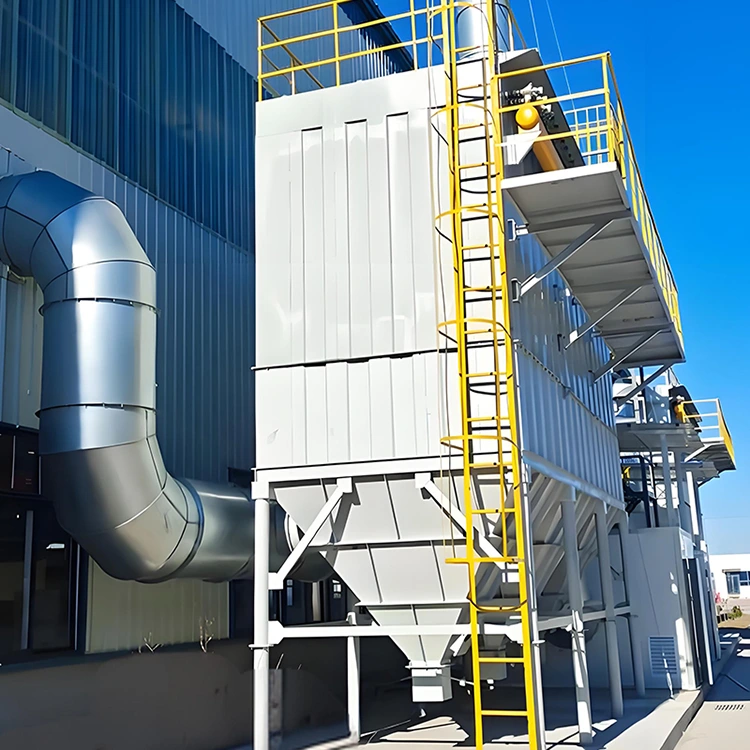
A standalone baghouse dust collector is a self-contained industrial filtration unit designed to remove airborne dust near the point where it is generated. Unlike a large centralized dust collection installation that serves multiple production areas through extensive ductwork, a standalone unit can be positioned close to an individual machine, transfer point, or processing station.
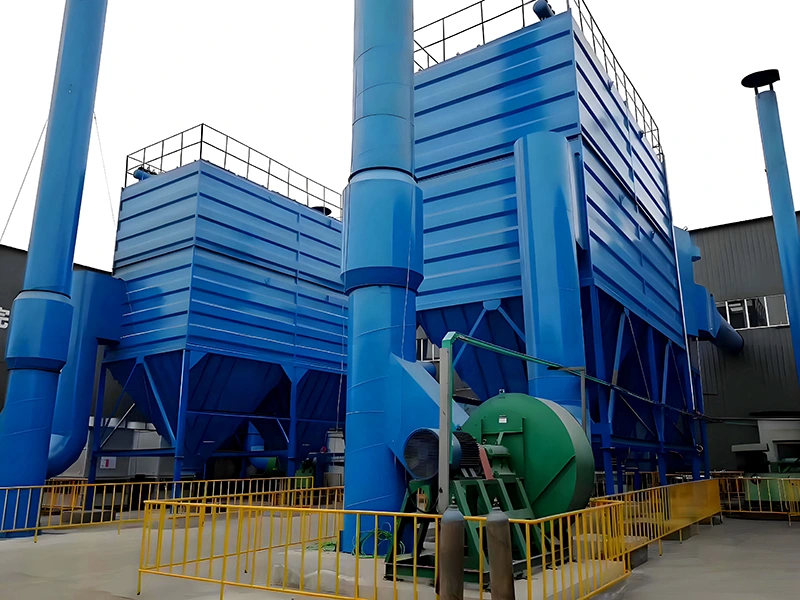
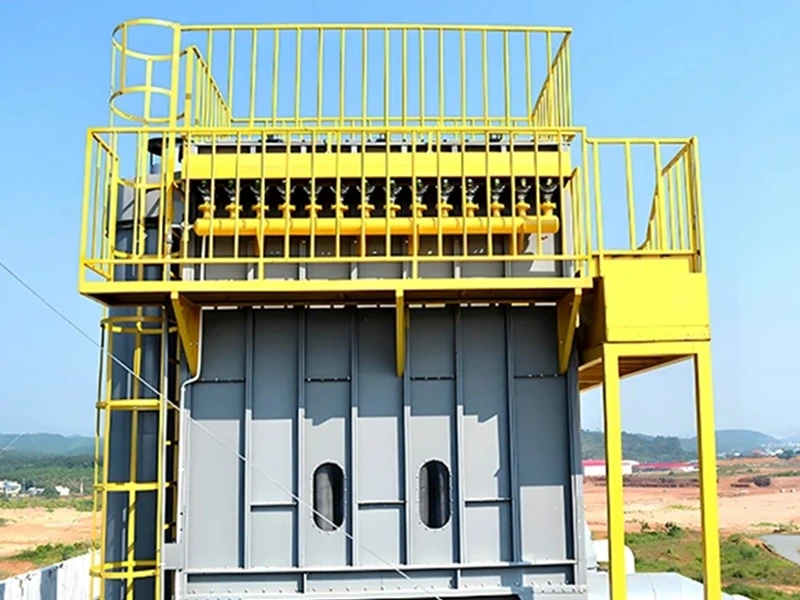
The equipment typically includes a filtration chamber, fabric filter bags, a supporting structure, a dust discharge arrangement, and an airflow system. Depending on the configuration, it may also incorporate a fan, automatic pulse-jet cleaning system, control cabinet, and additional accessories.
The primary objective is straightforward: capture dust before it spreads throughout the workshop or enters downstream equipment. This approach can help improve housekeeping, reduce exposure to airborne particles, and support more consistent production conditions.
For facilities with limited installation space or several independent dust-generating processes, a compact collection unit can provide a practical alternative to extending a centralized system. Explore Jiangteng's standalone baghouse dust collector to learn more about available configurations and customization options.
How Does the Filtration Process Work?
Baghouse filtration relies on controlled airflow and porous filter media. Dust-laden air enters the collector, particles are retained by the filter bags, and the cleaned air passes through the filtration medium. A suitable cleaning mechanism removes accumulated dust so the system can continue operating effectively.
1. Dust Capture at the Source
A fan creates the airflow needed to draw dust-laden air from a machine enclosure, extraction hood, or collection point. Proper hood positioning and duct design are essential because even an efficient filter cannot compensate for poor dust capture at the source.
2. Filtration Through Filter Bags
As contaminated air passes through the filter media, particles are retained on the fabric surface or within its structure. The appropriate filter material depends on particle characteristics, operating temperature, moisture, chemical compatibility, and the required emission performance.
3. Automatic or Manual Filter Cleaning
Dust accumulation gradually increases airflow resistance. Depending on the equipment design, cleaning may be performed through compressed-air pulse jets, mechanical shaking, or another suitable mechanism. Pulse-jet cleaning releases short bursts of compressed air to dislodge accumulated dust from the filter bags.
4. Dust Discharge and Recovery
Released particles fall into a hopper or collection container and are removed through the designated discharge arrangement. Where material quality and process requirements permit, collected powders may be recovered and reused rather than treated as waste.
Overall performance depends on the complete system, including extraction hood design, airflow distribution, filter selection, cleaning settings, and dust discharge reliability.
What Are the Main Benefits?
Compact Design and Flexible Installation
A standalone unit can be installed near a specific dust-generating process, potentially reducing long duct runs and simplifying installation planning. This is particularly useful when production equipment is distributed across a workshop or when floor space is limited.
Effective Particulate Control
Appropriately selected baghouse filtration can capture fine industrial particles and reduce dust released into surrounding work areas. Actual collection efficiency and outlet emissions depend on filter media, equipment condition, airflow, particle properties, and the overall installation. Performance should be confirmed against project-specific requirements.
More Manageable Maintenance
Accessible filter compartments and suitable cleaning systems can simplify routine servicing. Monitoring differential pressure, inspecting filter bags, and checking the discharge mechanism help maintenance teams identify developing problems before they cause prolonged interruptions.
Potential Energy and Material Savings
Correctly sized equipment avoids the unnecessary energy consumption associated with excessive airflow or poorly matched fan capacity. Recovering suitable process materials can also reduce waste. These benefits depend on actual operating conditions, maintenance practices, and the characteristics of the collected dust.
Customization for Different Operating Conditions
Filter media, airflow capacity, cleaning methods, housing materials, and discharge components can be selected to suit the application. Jiangteng offers customized equipment configurations intended to address different dust characteristics and production requirements.
Technical Specifications and Model Selection
Choosing a dust collector based on equipment price alone can lead to insufficient extraction capacity, excessive pressure loss, or unnecessary energy consumption. Buyers should evaluate airflow, filtration area, filter media, dust loading, and maintenance access together.
The following models and values are reference specifications published for Jiangteng's standalone baghouse dust collector range. Final selection should be confirmed with the manufacturer against actual site conditions.
| Model | Airflow Capacity (m³/h) | Filtration Area (m²) | Typical Application |
|---|---|---|---|
| DMC-24 | 1,600–2,400 | 21.6 | Small cutting and grinding stations |
| DMC-36 | 2,400–3,600 | 32.4 | Small and medium-sized crushing or screening equipment |
| DMC-48 | 3,200–4,800 | 43.2 | Material transfer points and multiple dust-generating locations |
| DMC-64 | 4,500–6,400 | 57.6 | Higher dust loads or several connected extraction points |
Note: The application descriptions are indicative rather than guaranteed performance ratings. Actual airflow requirements, filter selection, and suitable operating conditions must be confirmed during engineering review. The values above do not replace a project-specific technical proposal.
When reviewing quotations, ask suppliers to clarify:
- Required airflow at the actual operating resistance.
- Total filtration area and the resulting air-to-cloth ratio.
- Filter bag material and compatibility with the collected dust.
- Cleaning method, compressed-air requirements, and control options.
- Fan motor power, electrical supply, and expected operating noise.
- Dust hopper capacity, discharge equipment, and filter replacement access.
- Specified outlet emission limits and the method used to verify performance.
For additional equipment options, compare the application requirements with Jiangteng's baghouse dust collector range and consider whether a standalone unit or a centralized arrangement is more appropriate.
Which Industries Can Benefit?
Standalone baghouse systems are useful wherever localized processes generate airborne particulate matter. The correct design depends on the material being handled and the operating environment.
Building Materials and Cement
Baghouse collectors can control dust from powder feeding, material transfer, crushing, screening, and packaging. Properly positioned extraction points help prevent fine particles from spreading through production areas.
Metal Fabrication and Mechanical Processing
Grinding, polishing, and certain cutting operations generate particulate matter that may be captured using a suitably engineered collection system. Applications involving hot particles, welding fumes, or combustible metal dust require specific engineering assessments and may need equipment other than a conventional baghouse configuration.
Food and Pharmaceutical Processing
Powder conveying, ingredient mixing, and material packaging can release airborne particles. Filter materials, equipment surfaces, cleaning procedures, and dust discharge arrangements should meet the hygiene and contamination-control requirements of the process.
Chemical and Plastics Manufacturing
Batching, granule handling, crushing, and powder transfer can create localized dust emissions. Chemical compatibility, moisture exposure, static electricity, and the potential combustibility of the material should be considered before specifying a collector.
In all industries, a dust collector must be selected for the actual particulate characteristics rather than the industry name alone.
How to Choose the Right Equipment
A reliable purchasing decision begins with a clear understanding of the process. Before requesting a quotation from a standalone baghouse dust collector supplier, prepare the following information.
- Identify the dust source. Describe the machine, process stage, number of extraction points, and whether dust is generated continuously or intermittently.
- Estimate the required airflow. Consider the hood design, opening dimensions, capture velocity, duct losses, and the number of operating machines. Have a qualified engineer verify the calculation.
- Document dust properties. Record particle size, bulk density, temperature, moisture content, abrasiveness, and chemical characteristics where available.
- Match the filter media. Standard polyester may suit many ordinary-temperature applications, while antistatic, membrane-coated, moisture-resistant, or high-temperature media may be required in specific conditions.
- Evaluate safety risks. Combustible dust can present fire and explosion hazards. Obtain a dust hazard assessment and specify appropriate prevention, isolation, venting, grounding, and other protective measures where required by the material and applicable regulations.
- Check installation constraints. Confirm available floor space, ceiling height, maintenance clearance, duct routing, electrical supply, compressed-air availability, and dust disposal arrangements.
- Compare total ownership costs. Evaluate the purchase price alongside energy consumption, filter replacement, maintenance labor, waste disposal, and anticipated downtime.
Buyers should also request a clear technical specification and written confirmation of any promised filtration performance. This makes quotations easier to compare and reduces the risk of selecting equipment that is unsuitable for the process.
Maintenance and Operating Best Practices
Even a correctly selected collector requires regular inspection. Maintenance should follow the equipment manufacturer's instructions and reflect the severity of the operating environment.
- Monitor differential pressure: Track pressure changes to identify filter blinding, abnormal airflow resistance, or cleaning-system problems.
- Inspect filter bags: Look for tears, wear, poor sealing, excessive dust buildup, and signs of chemical or thermal damage.
- Check the cleaning system: Inspect pulse valves, compressed-air supply, control settings, and other cleaning components where fitted.
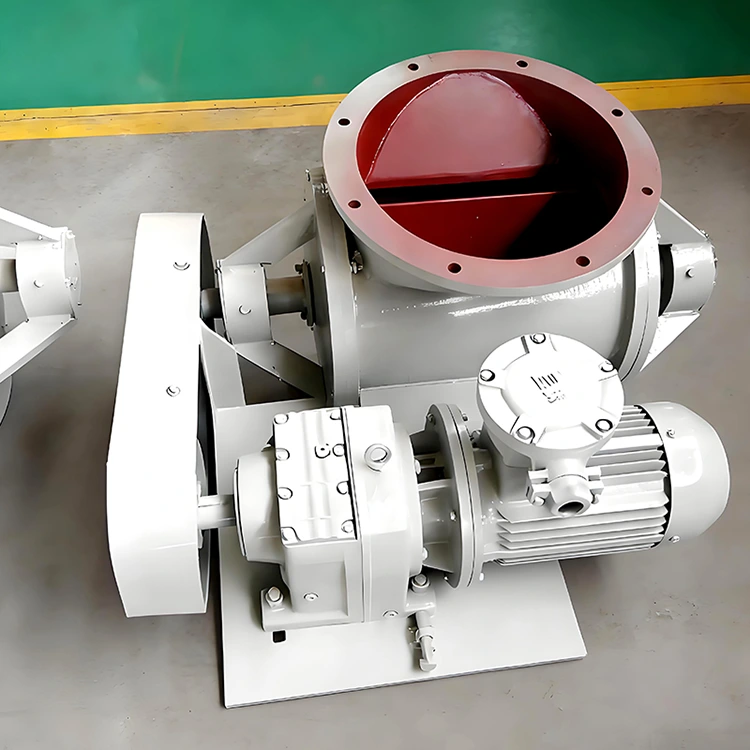
- Verify dust discharge: Ensure hoppers, rotary valves, and collection containers are not obstructed or overfilled.
- Inspect fans and ductwork: Check for unusual vibration, air leakage, damaged connections, and accumulated deposits.
- Keep maintenance records: Record pressure readings, filter replacements, cleaning adjustments, and any unusual operating conditions.
Before opening the collector or servicing internal components, isolate the relevant energy sources and follow the site's lockout procedures. Where combustible, toxic, or otherwise hazardous dust is involved, use the protective measures specified by the site's risk assessment and applicable regulations.
Preventive maintenance is generally more manageable than responding to an unexpected failure. A consistent inspection schedule also helps identify when filter media or operating settings need to be reviewed.
Frequently Asked Questions
1. What is the difference between a standalone baghouse and a centralized dust collector?
A standalone baghouse is generally installed near one machine or a localized dust source, while a centralized collector serves multiple collection points through a larger duct network. The best choice depends on facility layout, airflow demand, process distribution, and lifecycle costs.
2. How efficient is a standalone baghouse dust collector?
Performance varies with filter media, particle characteristics, sealing, airflow, maintenance, and system design. Jiangteng lists a purification efficiency exceeding 99.9% for its equipment. Buyers should confirm the test conditions, particle size range, measurement method, and guaranteed outlet emission level for the specific model and application.
3. Which filter material should I choose?
The selection depends on temperature, humidity, chemical compatibility, particle characteristics, and static electricity risks. Polyester is suitable for many general applications, while antistatic, membrane-coated, or high-temperature media may be appropriate under different conditions. The supplier should review the actual process before recommending a filter.
4. Can the equipment handle sticky or moisture-laden dust?
Some configurations can be adapted for challenging dust, but sticky or wet material may blind filter media and interfere with cleaning. A membrane-coated filter or other specialized surface treatment may help in certain applications. The supplier should assess moisture levels, temperature, condensation risk, and material behavior before confirming suitability.
5. How do I determine the required airflow capacity?
Airflow should be calculated from the capture requirements of each hood or extraction point, considering duct resistance and simultaneous machine operation. Selecting a collector solely by its nominal airflow can result in inadequate capture or excessive energy use. Request a system-level engineering calculation for the intended installation.
6. What information should I provide when requesting a quotation?
Provide the dust source, material characteristics, operating temperature, required airflow if known, working hours, installation space, electrical supply, discharge preferences, and applicable emission requirements. Photographs, process diagrams, and existing equipment data can help the supplier recommend a suitable configuration.
Conclusion: Building a More Effective Dust Control System
A well-selected standalone baghouse dust collector can help industrial facilities control airborne particles, improve housekeeping, recover suitable process materials, and manage maintenance more effectively. Its performance depends on more than the filter bags alone: airflow design, filter media, cleaning controls, safe dust discharge, and consistent servicing all contribute to reliable operation.
For buyers evaluating industrial dust collection equipment, Jiangteng offers configurable solutions based on different airflow requirements, filtration areas, and operating conditions. Review your process requirements, compare the technical specifications, and identify the safety and compliance needs before making a final selection.
Looking for a dust collection solution tailored to your production line? Visit the Jiangteng Standalone Baghouse Dust Collector product page and contact us to discuss your dust characteristics, airflow requirements, installation conditions, and customization needs. Our team can help you evaluate a practical configuration for your industrial dust control project.
Related News
- How Can a Stainless Steel Slide Gate Valve Improve Industrial Flow Control and Operational Reliability
- How Can a High-Temperature Rotary Valve Improve Material Handling Efficiency in Extreme Industrial Environments
- How Can a Silo Slide Gate Valve Improve Material Flow Control, Sealing Performance, and Industrial Efficiency
- How Can a Standalone Baghouse Dust Collector Improve Industrial Air Quality and Production Efficiency
- How Can a Cartridge Dust Collector Improve Industrial Air Quality and Reduce Operating Costs
- What Makes Baghouse Dust Collectors Effective for Industrial Dust Control?
Leave me a message
News Recommendations