English
- English
- Español
- Português
- русский
- Français
- 日本語
- Deutsch
- tiếng Việt
- Italiano
- Nederlands
- ภาษาไทย
- Polski
- 한국어
- Svenska
- magyar
- Malay
- বাংলা ভাষার
- Dansk
- Suomi
- हिन्दी
- Pilipino
- Türkçe
- Gaeilge
- العربية
- Indonesia
- Norsk
- تمل
- český
- ελληνικά
- український
- Javanese
- فارسی
- தமிழ்
- తెలుగు
- नेपाली
- Burmese
- български
- ລາວ
- Latine
- Қазақша
- Euskal
- Azərbaycan
- Slovenský jazyk
- Македонски
- Lietuvos
- Eesti Keel
- Română
- Slovenski

How Can a High-Temperature Rotary Valve Improve Material Handling Efficiency in Extreme Industrial Environments
In industries where hot materials, abrasive particles, and demanding operating conditions are part of daily production, maintaining reliable material discharge is essential for operational efficiency and equipment safety. Jiangteng specializes in manufacturing industrial conveying and dust removal equipment, including the High-Temperature Rotary Valve, which is engineered to handle continuous material discharge under challenging thermal conditions. Designed with heat-resistant materials, reinforced construction, and advanced sealing technology, this equipment helps industrial facilities improve material flow, minimize air leakage, and maintain stable system operation.
A high-temperature rotary valve is an important industrial component used to discharge hot powders, granules, ash, and other bulk materials while maintaining pressure isolation between connected equipment. Unlike conventional rotary valves, high-temperature models incorporate specialized alloys, reinforced housings, heat-resistant sealing components, and optional cooling structures to withstand elevated operating temperatures.
This article explains how a high-temperature rotary valve works, its major structural features, key technical specifications, industrial applications, and essential selection considerations. It also examines how proper maintenance and customized engineering can improve equipment reliability, reduce downtime, and support long-term production efficiency.
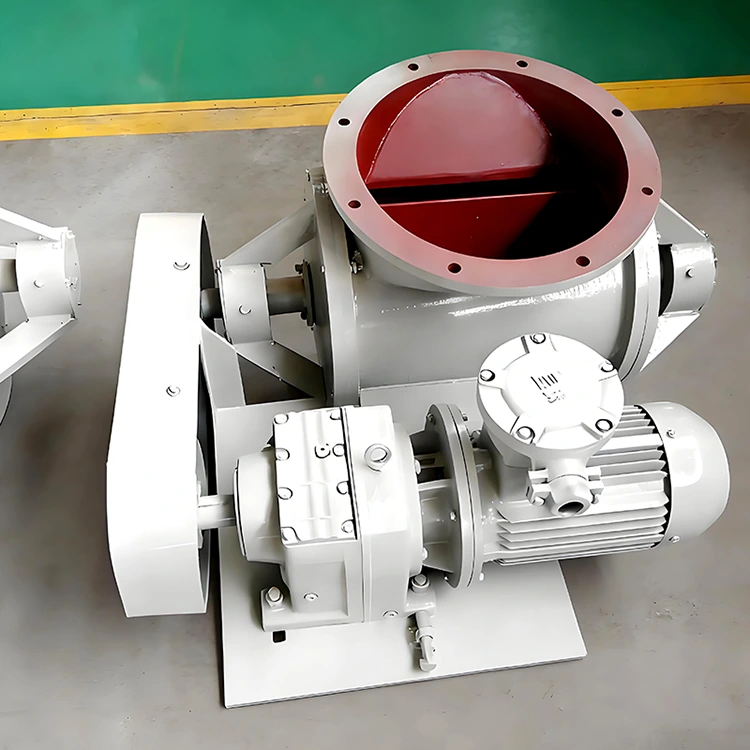
Table of Contents
- What Is a High-Temperature Rotary Valve?
- How Does a High-Temperature Rotary Valve Work?
- Key Structural Features and Engineering Advantages
- Technical Specifications and Available Configurations
- Which Industries Use High-Temperature Rotary Valves?
- How to Select the Right High-Temperature Rotary Valve
- Installation and Maintenance Recommendations
- Why Choose Jiangteng for Industrial Rotary Valve Solutions?
- Frequently Asked Questions
- Conclusion
1. What Is a High-Temperature Rotary Valve?
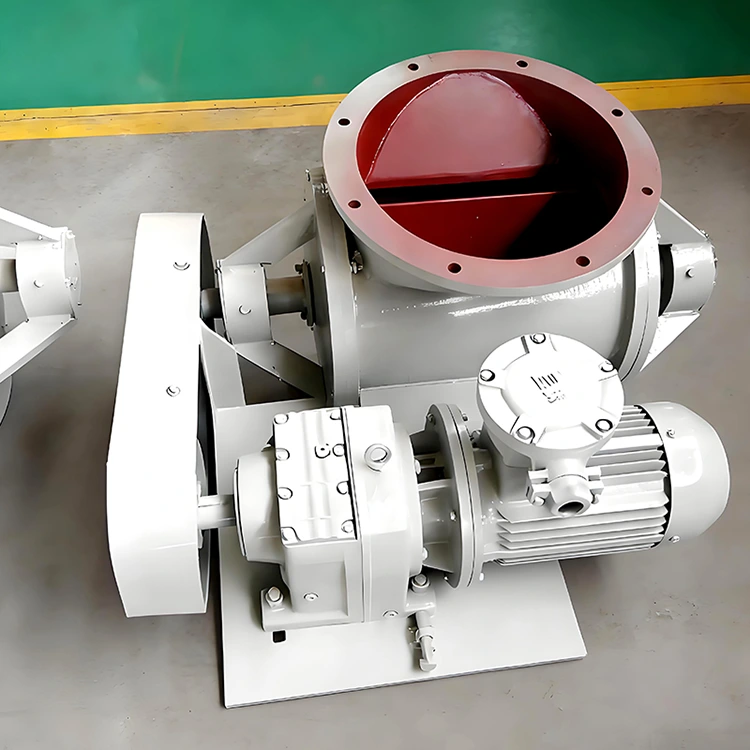
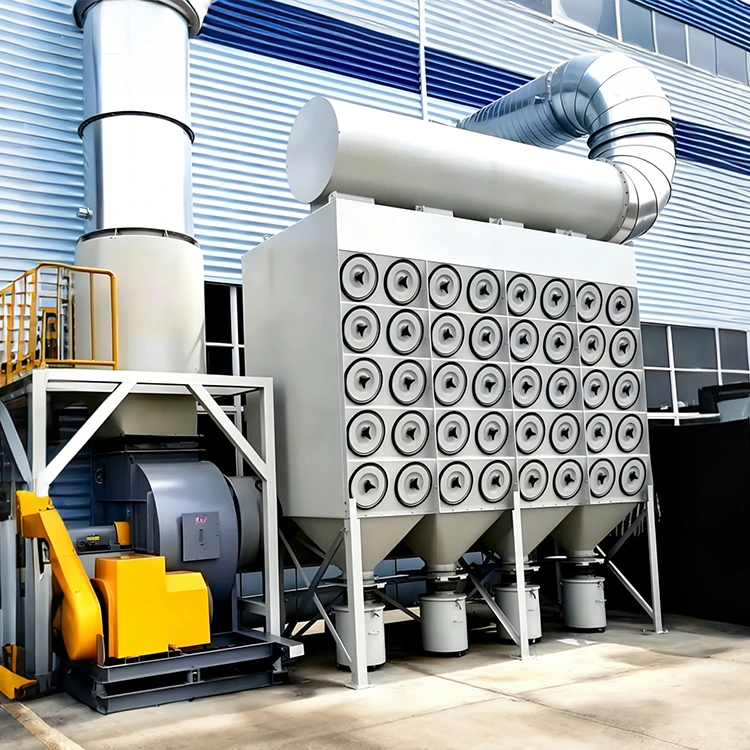
A high-temperature rotary valve is a specialized mechanical feeding and discharge device designed to transfer bulk materials in industrial systems operating at elevated temperatures. It is commonly installed beneath dust collectors, cyclones, hoppers, silos, furnaces, and other material processing equipment.
Its primary function is to control the discharge of solid materials while minimizing unwanted airflow between upstream and downstream equipment. This airlock function is particularly important in pneumatic conveying systems and industrial dust collection installations, where uncontrolled air movement can reduce conveying efficiency and affect pressure stability.
Conventional rotary valves may experience housing deformation, rotor expansion, sealing deterioration, and accelerated component wear when exposed to excessive heat. A high-temperature rotary valve addresses these challenges through specialized material selection and structural optimization.
Depending on the operating requirements and customized configuration, Jiangteng's high-temperature solutions can be designed for demanding environments, with product information indicating temperature capabilities of approximately 300°C to 800°C and customized solutions available for temperatures up to 1000°C.
Typical materials handled by this equipment include:
- High-temperature industrial dust and furnace ash.
- Cement clinker particles and hot mineral powders.
- Fly ash and combustion residues.
- Metallurgical dust and mineral processing materials.
- Hot chemical powders and industrial granules.
- Waste incineration residues and kiln discharge materials.
By maintaining controlled discharge and reducing unwanted air exchange, a properly selected rotary valve helps improve the stability of the entire material handling system.
2. How Does a High-Temperature Rotary Valve Work?
The working principle of a high-temperature rotary valve is based on the continuous rotation of an internal impeller. Material enters through the upper inlet, fills the rotor pockets, and moves toward the discharge outlet as the rotor turns.
At the same time, the carefully designed clearances and sealing components help limit air leakage between the inlet and outlet sides.
Step 1: Material Feeding
Hot bulk material enters the valve through the upper hopper or equipment outlet. Gravity guides the material into the individual pockets formed by the rotating impeller blades.
Step 2: Rotary Conveyance and Air Sealing
The motor and transmission system drive the rotor at a controlled speed. As the rotor rotates, the material-filled pockets move toward the discharge position. The housing and sealing structure help maintain pressure isolation and reduce the movement of hot gases through the valve.
Step 3: Continuous Material Discharge
When the rotor pockets reach the lower discharge opening, the material falls into the downstream conveying equipment through gravity. The continuous rotation process allows the valve to maintain a relatively steady discharge rate.
Step 4: Repeated Operating Cycle
The rotor continues rotating, repeating the feeding, conveying, and discharge processes. With an appropriate drive configuration and correctly selected operating speed, the equipment can support continuous industrial production.
The following factors directly influence operating performance:
- Rotor diameter and pocket volume.
- Number and geometry of rotor blades.
- Rotational speed and drive configuration.
- Material density, particle size, and flowability.
- Operating temperature and pressure difference.
- Clearance between the rotor and valve housing.
Therefore, the valve should be selected according to actual process conditions rather than relying solely on nominal equipment dimensions.
3. Key Structural Features and Engineering Advantages
Operating at elevated temperatures places additional demands on mechanical strength, sealing reliability, and component durability. A well-designed high-temperature rotary valve must address these challenges through coordinated engineering solutions.
3.1 Heat-Resistant Housing and Reinforced Construction
High temperatures can cause thermal expansion, material degradation, and structural deformation. To improve resistance under demanding conditions, Jiangteng offers one-piece cast housing solutions made from 310S stainless steel or suitable high-temperature alloys.
A reinforced rib structure improves mechanical rigidity, while appropriate material treatment helps maintain structural stability and resistance to thermal and mechanical wear.
Compared with ordinary discharge valves, these structural improvements are intended to extend service life under demanding high-temperature operating conditions.
3.2 Triple-Sealing Technology
Air leakage and material leakage are common concerns in high-temperature powder handling systems. Temperature fluctuations can affect sealing clearances, while abrasive particles may accelerate component deterioration.
To address these problems, Jiangteng's equipment can incorporate a multi-layer sealing arrangement consisting of:
- Flexible graphite seals: Provide sealing performance under elevated-temperature conditions.
- Spiral-wound metal gaskets: Improve sealing reliability at critical connection points.
- High-temperature alloy sealing rings: Help maintain mechanical sealing performance in demanding operating environments.
According to the manufacturer's product information, the sealing system can achieve air-locking efficiency of up to 99% under specified configurations and operating conditions.
An optional water-cooling jacket can also be incorporated when the process requires additional thermal protection. The suitability of this arrangement depends on the actual temperature, cooling conditions, and installation design.
3.3 Stable Transmission and Low-Noise Operation
A reliable drive system is essential for continuous material discharge. The equipment can be configured with direct-drive or chain-drive arrangements according to installation requirements.
A precision reduction drive and dynamically balanced rotor help support smooth operation and reduce unnecessary mechanical vibration. The manufacturer's product information indicates operating noise levels of 75 dB or less under specified conditions.
3.4 Convenient Maintenance Structure
Industrial equipment maintenance directly affects production availability. A difficult-to-access rotary valve can increase inspection time and replacement costs.
Jiangteng's high-temperature rotary valve incorporates practical maintenance features, including:
- Split-body construction for convenient internal inspection.
- Quick-release end covers for easier rotor access.
- Externally mounted bearings with protective arrangements.
- Inspection openings for routine equipment checks.
- Replaceable sealing components to simplify maintenance.
These features help maintenance personnel inspect critical components without unnecessary disassembly.
4. Technical Specifications and Available Configurations
Technical parameters are important when evaluating a high-temperature rotary valve for an industrial project. Capacity, operating temperature, rotor speed, material selection, and installation dimensions must all be considered together.
The following table summarizes the principal product specifications published by Jiangteng.
| Technical Parameter | Available Specification |
|---|---|
| Discharge Capacity | 300 kg/h – 200 m³/h |
| Caliber | 100–1200 mm |
| Opening Configuration | Round or square opening, customizable |
| Motor Power | 0.75–11 kW |
| Impeller Speed | 8–43 r/min |
| Speed Control | Variable speed drive available |
| Housing Materials | Carbon steel, cast iron, cast steel, stainless steel |
| Drive Configuration | Direct-drive or chain-drive |
| Rotor Blade Configuration | 6-pocket, 8-pocket, and multi-pocket designs |
| Working Pressure | ≤5 kPa; customized high-pressure type up to 0.6 MPa |
| Temperature Options | Standard type ≤120°C; high-temperature type ≤300°C; customized configurations available for higher temperatures |
Important selection note: The capacity range, temperature rating, and pressure rating depend on the selected configuration. The maximum temperature of a complete valve must be confirmed against the housing, rotor, shaft, seals, bearings, and cooling arrangement rather than determined by a single material specification.
Available Model Configurations
Different industrial installations require different inlet and outlet dimensions. Jiangteng provides multiple YJDA and YJDB model configurations to accommodate different connection requirements.
| Model | Configuration | Typical Application Consideration |
|---|---|---|
| YJD02 | Compact rotary valve | Smaller discharge installations |
| YJD04 | Small-to-medium configuration | Moderate material flow requirements |
| YJD06 | Medium configuration | Industrial dust discharge |
| YJD08 | Medium configuration | Continuous powder handling |
| YJD10 | Medium-to-large configuration | Higher material throughput requirements |
| YJD12–YJD20 | Multiple dimensional options | Industrial conveying system integration |
| YJD26–YJD30 | Larger configurations | Large-volume material discharge |
Non-standard dimensions and configurations can also be considered according to material particle size, viscosity, corrosiveness, throughput, and installation requirements.
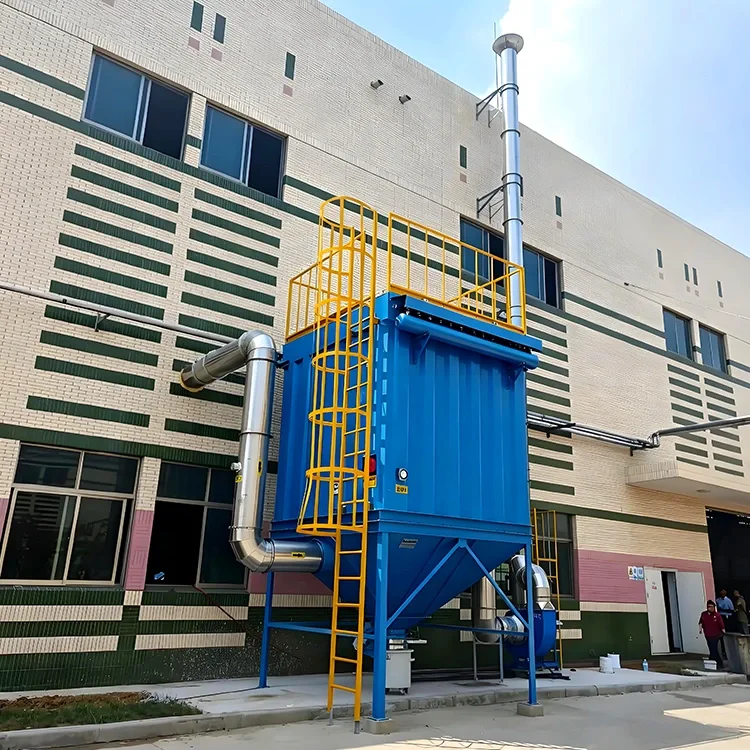
For additional equipment information, buyers can also explore Jiangteng's industrial rotary valve solutions and dust collector equipment.
5. Which Industries Use High-Temperature Rotary Valves?
High-temperature rotary valves are widely used in industrial production processes where hot solid materials must be discharged continuously while maintaining stable system pressure.
5.1 Building Materials and Cement Industry
Cement production involves several high-temperature processes, including kiln operation, clinker handling, and dust collection. A high-temperature rotary valve can be installed beneath dust collection equipment or discharge hoppers to transfer hot dust and mineral materials.
Typical applications include:
- Cement kiln dust discharge.
- Gypsum powder processing.
- Lime kiln material handling.
- Hot mineral powder conveying.
5.2 Chemical and Petrochemical Industry
Chemical processing facilities often handle powders and granular materials under demanding thermal and environmental conditions. Properly selected rotary valves help regulate material discharge while reducing unwanted air exchange.
Common applications include fertilizer production, coal chemical processing, and rubber additive handling.
5.3 Metallurgical Industry
Metallurgical production generates high-temperature dust and mineral residues during smelting, sintering, and other thermal processes.
A heat-resistant rotary valve can support continuous discharge from dust collection systems and other process equipment, helping maintain material flow in high-temperature environments.
5.4 Electric Power Industry
Power generation facilities use dust collection and ash handling systems to manage combustion residues. High-temperature rotary valves can be incorporated into boiler dust removal installations and fly ash conveying systems where the selected temperature and pressure ratings are appropriate.
5.5 Environmental Protection and Waste Treatment
Waste incineration, glass manufacturing, and ceramic production can generate hot particulate materials that require controlled discharge.
With suitable heat-resistant materials and sealing arrangements, rotary valves help transfer these materials into downstream collection or conveying equipment.
| Industry | Typical Materials | Main Application |
|---|---|---|
| Cement and Building Materials | Kiln dust, gypsum powder, lime residues | Hot dust discharge |
| Chemical Industry | Fertilizer powders, chemical additives | Controlled material feeding |
| Metallurgy | Sintering dust, mineral powders | High-temperature dust removal |
| Electric Power | Fly ash, boiler dust | Ash handling and conveying |
| Environmental Protection | Incineration residues, furnace dust | Thermal process material discharge |
| Glass and Ceramics | Hot particulate materials | Kiln discharge and collection |
6. How to Select the Right High-Temperature Rotary Valve
Selecting an appropriate high-temperature rotary valve requires more than checking its nominal diameter or motor power. The equipment must match the actual process conditions to achieve reliable operation and a reasonable service life.
6.1 Determine the Actual Operating Temperature
Temperature is one of the most important selection parameters. Buyers should identify the normal operating temperature, maximum temperature, temperature fluctuations, and potential thermal shock conditions.
It is also necessary to distinguish between material temperature and the actual temperatures experienced by the housing, rotor, shaft, seals, and bearings.
6.2 Evaluate Material Characteristics
Different bulk materials create different mechanical and operational challenges. Before selecting a model, consider:
- Particle size: Determines rotor pocket dimensions and internal clearances.
- Bulk density: Influences discharge capacity and drive requirements.
- Abrasiveness: Affects rotor and housing wear resistance.
- Corrosiveness: Influences material and surface treatment selection.
- Moisture and viscosity: Affect material flowability and the risk of accumulation.
6.3 Calculate the Required Throughput
Required discharge capacity should be calculated using the actual production rate and material properties. The relationship between rotor volume, pocket filling efficiency, rotational speed, and bulk density determines the practical material discharge rate.
Oversizing or undersizing the valve may create problems such as unstable feeding, insufficient discharge, excessive wear, or unnecessary energy consumption.
6.4 Confirm Pressure and Sealing Requirements
For dust collectors and pneumatic conveying systems, the pressure difference across the rotary valve is an important design consideration.
Buyers should confirm whether the equipment operates under negative pressure, positive pressure, or fluctuating pressure conditions. The selected sealing structure must be suitable for the actual pressure environment.
6.5 Check Installation Dimensions
Before purchasing, verify the available installation space, flange dimensions, inlet and outlet orientation, shaft arrangement, and connection requirements.
Custom dimensions may be necessary when replacing existing equipment or integrating the valve into a non-standard production line.
Selection Checklist
- Maximum and normal operating temperatures.
- Material composition and particle characteristics.
- Required hourly discharge capacity.
- System operating pressure and air-lock requirements.
- Rotor speed and motor power requirements.
- Available installation space and connection dimensions.
- Maintenance accessibility and expected operating hours.
Providing these details to the manufacturer helps reduce selection errors and makes customized equipment design more accurate.
7. Installation and Maintenance Recommendations
Even a properly engineered high-temperature rotary valve requires correct installation and routine inspection. Maintenance practices should be adapted to the actual temperature, dust concentration, operating frequency, and material characteristics.
7.1 Installation Considerations
Before commissioning, operators should check the following items:
- Confirm that the equipment foundation and connecting flanges are properly aligned.
- Ensure that inlet and outlet connections are securely installed.
- Check that the rotor can rotate freely without abnormal interference.
- Verify motor wiring, reducer operation, and rotation direction.
- Inspect the sealing components and connection bolts.
- Confirm that any optional cooling system is properly connected and operational.
Thermal expansion must also be considered during installation. Appropriate allowances and connection arrangements help prevent excessive mechanical stress when the equipment reaches its operating temperature.
7.2 Routine Maintenance Schedule
A practical maintenance program helps identify early signs of deterioration before they develop into major equipment failures.
| Inspection Item | Recommended Frequency | Maintenance Focus |
|---|---|---|
| Bearing Temperature | Routine operating inspections | Check for abnormal heating and vibration |
| Lubrication | According to manufacturer requirements | Maintain appropriate lubrication conditions |
| Sealing Components | Every 1–3 months in demanding environments | Check wear, leakage, and deformation |
| Internal Material Accumulation | During scheduled inspections | Remove deposits and check material flow |
| Bolts and Connections | Periodic inspections | Check fastening and connection integrity |
| Rotor and Housing | Every 3–6 months, adjusted to operating conditions | Inspect wear, clearance, and structural condition |
For high-temperature or high-dust operating environments, Jiangteng recommends shortening the general inspection interval to approximately 1–3 months where necessary. Actual maintenance frequency should follow the equipment manual and site operating experience.
7.3 Common Problems and Troubleshooting
Several operating issues may occur if sealing components wear out, material accumulates, or mechanical components are improperly adjusted.
- Air leakage: Inspect sealing components, end-cover connections, and installation alignment.
- Material leakage: Check rotor clearances, sealing wear, and housing condition.
- Abnormal noise: Examine bearings, the reducer, rotor balance, and possible internal interference.
- Unstable discharge: Evaluate material flowability, rotor speed, pocket filling, and material accumulation.
- Excessive bearing temperature: Check lubrication, bearing alignment, external heat exposure, and cooling arrangements.
Before performing any inspection or repair, operators must isolate the equipment, stop the drive, allow hot components to cool to a safe temperature, and follow the facility's lockout and safety procedures.
8. Why Choose Jiangteng for Industrial Rotary Valve Solutions?
Choosing a suitable equipment manufacturer is an important part of ensuring long-term production reliability. Industrial buyers need more than a standard product catalog; they require technical support, configuration flexibility, and equipment that matches their actual process conditions.
Jiangteng provides industrial dust removal and material conveying equipment, with product solutions designed for demanding applications across building materials, chemical processing, metallurgy, electric power, and environmental protection.
8.1 Customized Engineering Solutions
Different industrial processes have different requirements for temperature resistance, sealing performance, material compatibility, and discharge capacity.
Jiangteng supports customized rotary valve configurations involving:
- Housing and rotor material selection.
- Heat-resistant sealing arrangements.
- Optional water-cooling jacket structures.
- Different discharge capacities and rotor speeds.
- Round or square connection openings.
- Customized installation dimensions.
8.2 Solutions for Demanding Operating Conditions
High-temperature and high-dust applications require careful consideration of structural strength and component protection. Reinforced construction, heat-resistant materials, and external bearing protection help address common challenges associated with demanding industrial environments.
8.3 Maintenance-Oriented Design
Convenient inspection access and replaceable sealing components help simplify maintenance work. These features can reduce unnecessary disassembly and support more efficient equipment servicing.
8.4 Integrated Industrial Equipment Options
In addition to high-temperature rotary valves, Jiangteng provides a range of related industrial equipment, including:
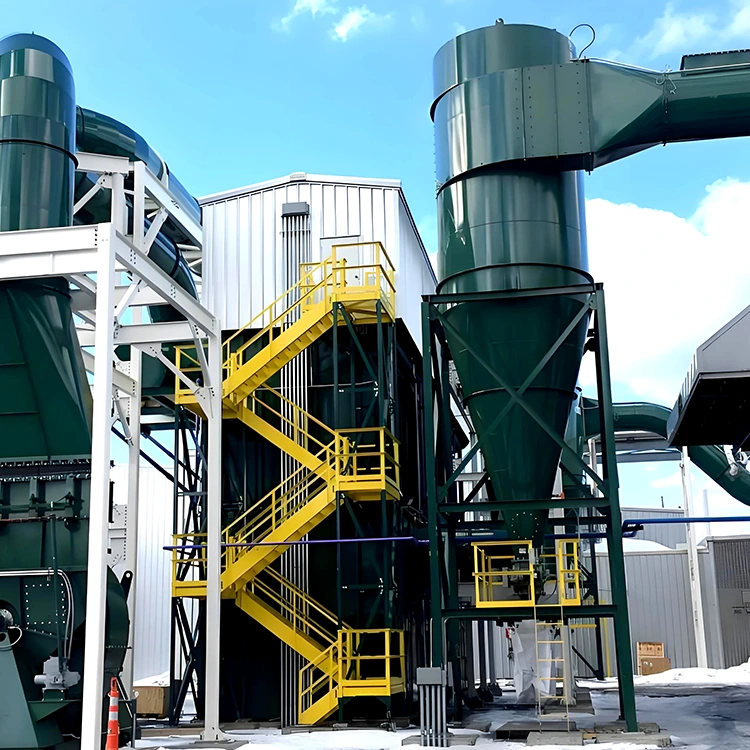
- Industrial dust collectors for particulate collection and air pollution control.
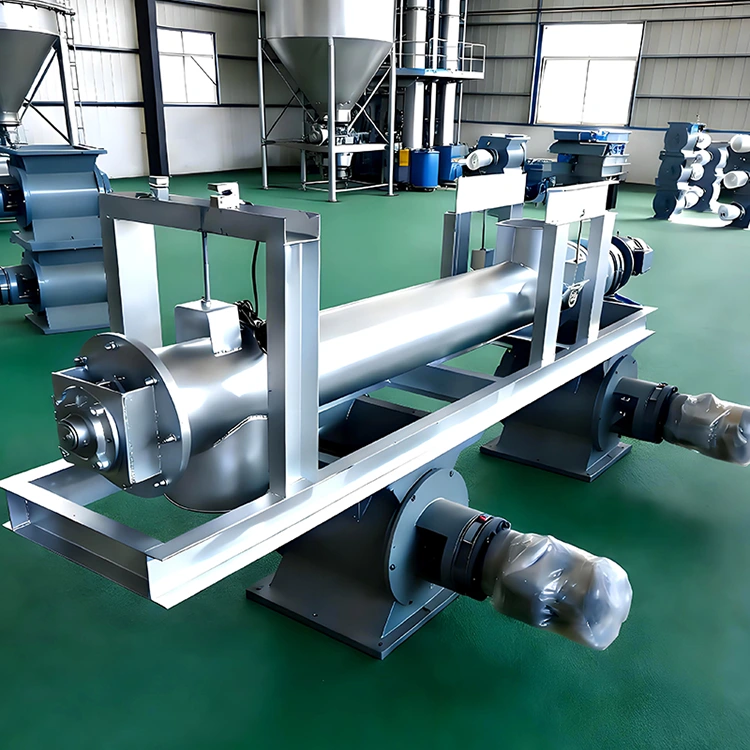
- Screw conveyors for continuous bulk material transportation.
- Drag chain conveyors for enclosed material handling.
- Bucket elevators for vertical material transportation.
- Rotary valves for controlled feeding and discharge applications.
Integrating compatible equipment can help industrial facilities develop a more coordinated material handling and dust collection system.
9. Frequently Asked Questions About High-Temperature Rotary Valves
Q1: What is the maximum operating temperature of a high-temperature rotary valve?
The maximum operating temperature depends on the selected materials, sealing components, rotor structure, and cooling configuration. Jiangteng offers high-temperature solutions for demanding conditions, with product information indicating capabilities of approximately 300°C to 800°C and customized configurations up to 1000°C. The final temperature rating should be confirmed for the complete assembly before ordering.
Q2: What is the difference between a standard rotary valve and a high-temperature rotary valve?
A standard rotary valve is generally designed for conventional industrial material handling temperatures. A high-temperature rotary valve incorporates heat-resistant materials, reinforced structural components, specialized sealing systems, and potentially additional cooling arrangements. These improvements help reduce thermal deformation, sealing failure, and premature wear in high-temperature applications.
Q3: Can a high-temperature rotary valve prevent air leakage completely?
No mechanical rotary valve should be assumed to provide absolutely zero leakage. However, an appropriately designed sealing structure can significantly reduce air exchange. Jiangteng's triple-sealing configuration is designed to achieve air-locking efficiency of up to 99% under specified operating conditions. Actual performance depends on pressure difference, material characteristics, clearances, and component condition.
Q4: Which materials can be used to manufacture high-temperature rotary valves?
Material options may include carbon steel, cast iron, cast steel, 310S stainless steel, and specialized high-temperature alloys. The correct material depends on operating temperature, corrosion risk, abrasion, thermal expansion, and the properties of the conveyed material.
Q5: How do I determine the correct rotary valve capacity?
Capacity selection should consider the required hourly throughput, material bulk density, particle size, rotor dimensions, pocket filling efficiency, and rotational speed. Providing these parameters to the manufacturer helps determine an appropriate valve configuration and avoid insufficient or excessive discharge capacity.
Q6: What should I do if the rotary valve experiences material leakage or air leakage?
First, stop the equipment and follow the required industrial safety procedures. Then inspect the sealing components, end-cover bolts, rotor clearances, and housing condition. Worn seals may need replacement, while loose connections should be properly secured. If housing deformation or significant internal damage is discovered, professional technical inspection is recommended.
Q7: How often should a high-temperature rotary valve be maintained?
Inspection frequency depends on operating temperature, dust concentration, material abrasiveness, and production hours. A general inspection interval of 3–6 months may be suitable for some applications. In high-temperature or high-dust environments, inspections may need to be performed every 1–3 months. Bearings, lubrication, sealing components, and internal material accumulation should receive particular attention.
Q8: Can Jiangteng customize rotary valves for special installation requirements?
Yes. Jiangteng provides customized design options based on material properties, operating temperature, required throughput, connection dimensions, and installation space. Buyers can provide their process parameters and equipment drawings to help determine the most appropriate configuration.
Q9: Does Jiangteng provide installation and after-sales support?
Jiangteng provides technical support covering equipment installation, commissioning, and operator training. The company also offers after-sales assistance and warranty-related repair or replacement support according to the applicable warranty terms.
10. Conclusion: Improve Industrial Material Handling with the Right High-Temperature Rotary Valve
A high-temperature rotary valve plays an important role in maintaining continuous material discharge, controlling unwanted air exchange, and improving the reliability of industrial conveying and dust collection systems. Its performance depends on several interconnected factors, including heat-resistant construction, sealing technology, rotor design, drive configuration, and compatibility with the conveyed material.
For facilities operating in cement production, chemical processing, metallurgy, electric power generation, and environmental protection, choosing the right valve can help reduce leakage, simplify maintenance, and maintain more stable production conditions.
Jiangteng combines industrial equipment manufacturing experience with customized engineering capabilities to provide rotary valve solutions for different operating environments. Whether your project requires a standard industrial discharge valve or a specialized solution for extreme temperatures, selecting the correct equipment configuration is essential for achieving reliable long-term performance.
Looking for a reliable High-Temperature Rotary Valve manufacturer for your industrial project? Contact Jiangteng today to discuss your operating temperature, material characteristics, discharge capacity, and installation requirements. Our technical team can help evaluate your application and recommend a suitable customized solution. Visit our High-Temperature Rotary Valve product page or contact us to request technical information and a quotation for your project.
Related News
- How Can a Stainless Steel Slide Gate Valve Improve Industrial Flow Control and Operational Reliability
- How Can a Silo Slide Gate Valve Improve Material Flow Control, Sealing Performance, and Industrial Efficiency
- How Can a Standalone Baghouse Dust Collector Improve Industrial Air Quality and Production Efficiency
- How Can a Standalone Baghouse Dust Collector Improve Industrial Air Quality and Reduce Operating Costs
- How Can a Cartridge Dust Collector Improve Industrial Air Quality and Reduce Operating Costs
- What Makes Baghouse Dust Collectors Effective for Industrial Dust Control?
Leave me a message
News Recommendations