
Customized Screw Conveyors Factory Direct
Jiangteng is a reliable manufacturer of screw conveyors. We assess specific operational requirements to recommend and specify the most suitable solution. A variety of types are available, including tubular, shaftless, and U-trough models.
What Is a Screw Conveyor?
A screw conveyor moves powder, granules or small bulk solids through a stationary trough or tube by means of a rotating helical flight. It can feed, transfer, meter or discharge material between process equipment when the screw geometry, speed, housing and drive are correctly matched to the product.
Choose the Conveyor Structure First
|
Configuration |
Typical direction |
Important review |
|
U-trough screw |
Accessible horizontal or slightly inclined conveying; convenient inspection and cleaning. |
Cover sealing, hanger bearings, trough lining and access requirements. |
|
Tubular screw |
Enclosed transfer where dust containment and compact routing are important. |
Cleaning access, intermediate supports, inlet loading and blockage risk. |
|
Shafted screw |
Free-flowing powders and granules with suitable bearing arrangement. |
Material wrapping, bearing protection and maximum practical length. |
|
Shaftless screw |
Sticky, fibrous or irregular materials where a center shaft may cause wrapping. |
Liner wear, starting torque, trough support and cleaning. |
Capacity Is Not Determined by Diameter Alone
Conveying capacity is affected by screw diameter, pitch, speed, loading ratio, inclination, material bulk density, flowability and inlet conditions. Increasing speed without checking the material may increase wear, damage particles, create heat or cause unstable feeding.
Information Required for Selection
To provide you with the best equipment selection advice and develop a final project plan, please provide the following information to Jiangteng:
● Material name, bulk density, particle size, and flowability.
● Moisture content, stickiness, abrasiveness, corrosiveness, and temperature.
● Required conveying capacity, conveying distance, and inclination angle.
● Number, location, and connection type of inlets and outlets.
● Operating hours, start-stop frequency, voltage, and hazardous area requirements.
Customization Options
● Diameter, length, pitch, and screw-flight arrangement determined by calculation.
● Carbon steel, stainless steel, or application-specific materials for product-contact parts.
● Horizontal, inclined, vertical, or project-specific routing based on suitability assessment.
● Multiple inlets/outlets, inspection doors, wear liners, supports, and seals.
● Motor, gearbox, coupling, VFD, and specific brands as agreed upon.
FAQ
How does inclination affect screw-conveyor capacity?
Capacity normally decreases as inclination increases. The reduction depends on material behavior, screw geometry, loading and speed, so the inclined duty must be calculated separately.
When should I choose a shaftless screw?
It may be considered for sticky, fibrous or irregular material that could wrap around a center shaft. Liner wear and drive torque must also be evaluated.
Can one conveyor have several inlets or outlets?
Yes. Their positions, gates and loading sequence must be included in the design so the screw is not overloaded.
What causes blockage?
Common causes include excessive loading, unsuitable speed, sticky material, poor inlet design, inadequate clearance or an interrupted downstream process.
Request a Screw Conveyor Selection
Send the material properties, required capacity, conveying distance, inclination, inlet/outlet layout and operating schedule. Jiangteng will review the structure, size, drive and contact materials for the application.
- View as
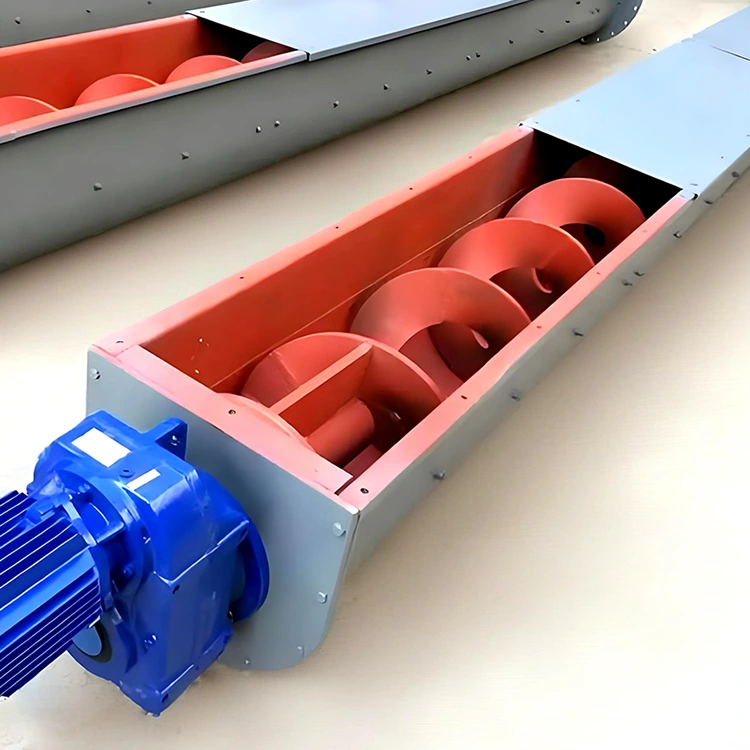
Shaftless Screw Conveyor
Are you still searching for a Shaftless Screw Conveyor manufacturer and supplier worthy of a long-term partnership? Contact Jiangteng today to receive our customized solutions and direct-sale pricing! This equipment is ideally suited for handling viscous, fibrous, or impurity-laden materials, offering high efficiency, low maintenance costs, and ease of use.
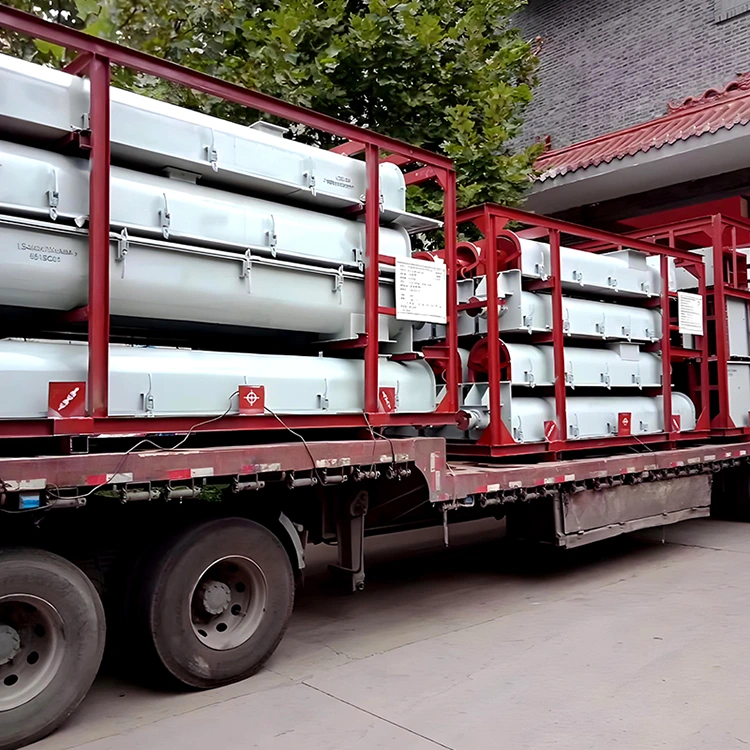
Horizontal Screw Conveyor
This Horizontal Screw Conveyor is provided by Jiangteng, a manufacturer based in China. We offer customization tailored to specific operating conditions; the unit is suitable for handling granular materials, powders, and small lumps. It features a compact structure that requires minimal installation space and is easy to maintain.
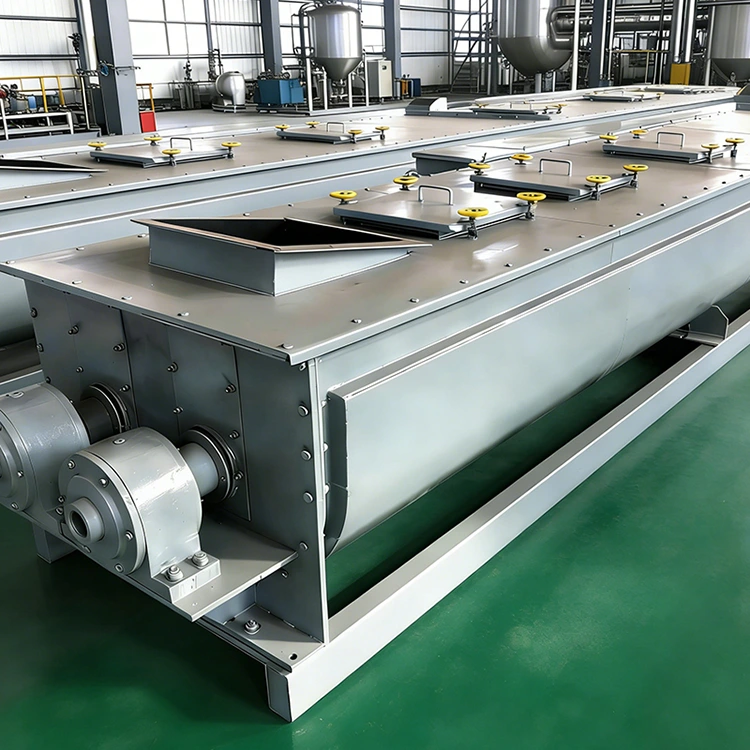
Cooling Screw Conveyor
The Cooling Screw Conveyor is a piece of equipment designed and manufactured by Jiangteng. As an experienced manufacturer, we utilize spiral pitch technology to provide intelligent cooling solutions for the conveyance of high-temperature materials. We offer factory-direct pricing; please feel free to contact us.
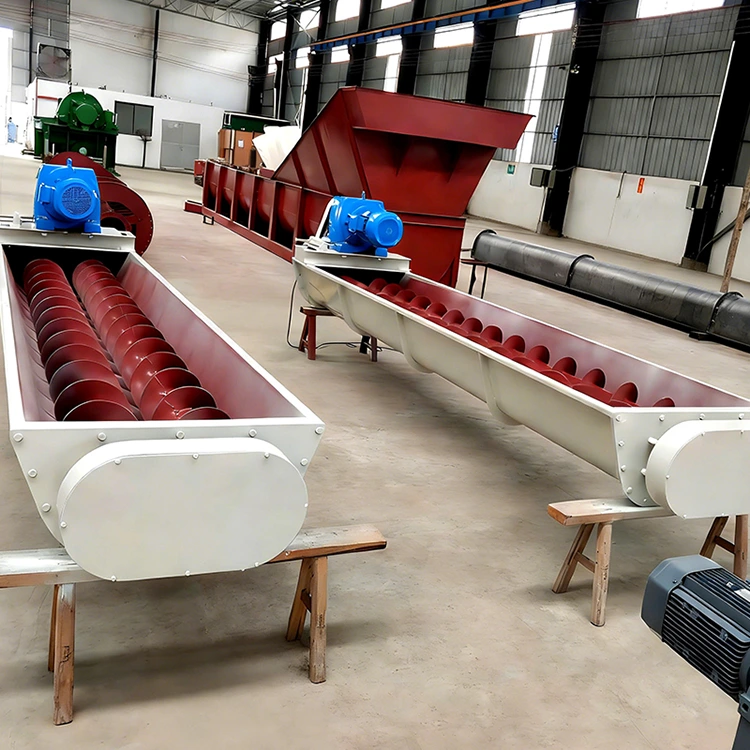
Twin-Screw Conveyor
Jiangteng, a manufacturer based in China, offers high-quality, advanced Twin-Screw Conveyors. Utilizing a dual-shaft synchronous meshing design, our equipment is ideally suited for conveying high-viscosity and prone-to-caking materials, thereby significantly boosting production efficiency. Designed for ease of maintenance, the system comes complete with comprehensive operating manuals and testing documentation. We invite you to contact us for further details.
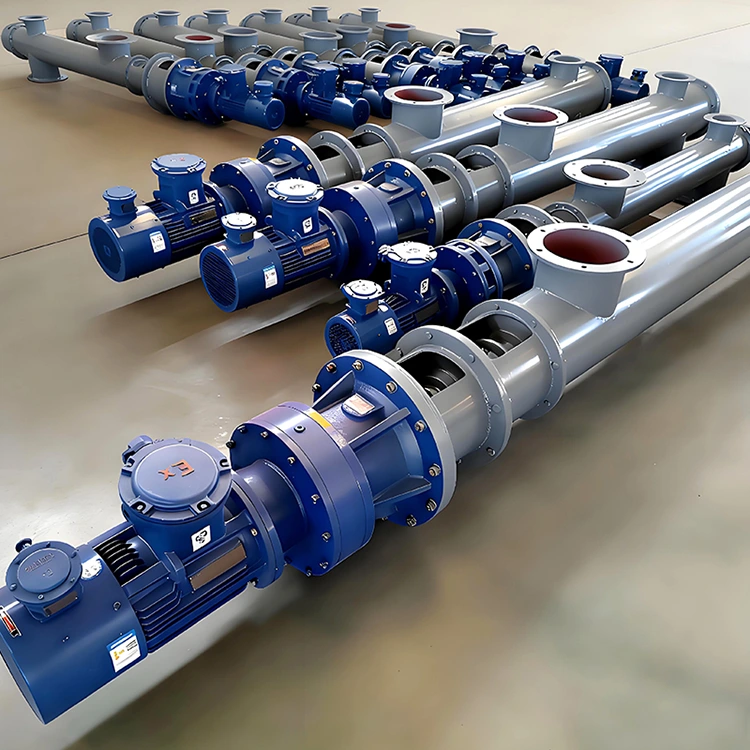
Auger Conveyor
Jiangteng is a reliable, high-quality supplier of auger conveyors. As a direct-sales manufacturer, we are able to customize equipment to suit your specific operating conditions. This system facilitates the continuous conveyance of powdery, granular, or small-lump materials with high efficiency and without clogging.
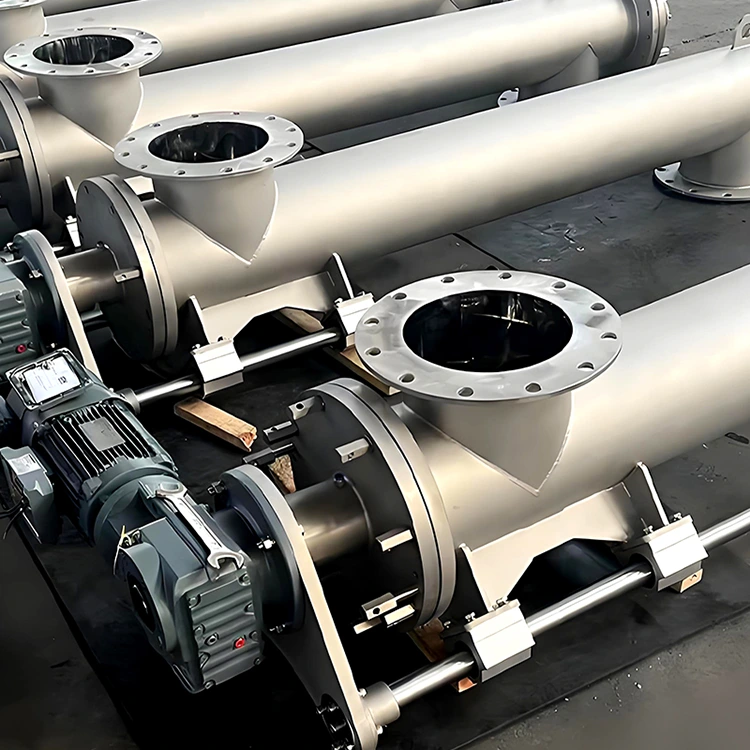
Tubular Screw Conveyor
We invite you to contact Jiangteng to inquire about and purchase our Tubular Screw Conveyors. As a professional manufacturer and supplier based in China, we offer equipment that is highly efficient, clean, and reliable. Our systems are capable of handling powdery, granular, and viscous materials with superior efficiency, and are designed to perform effectively even under complex operating conditions.
As a reliable Screw Conveyors manufacturer and supplier in China, we have our factory. If you want to buy quality and durable products, please contact us.