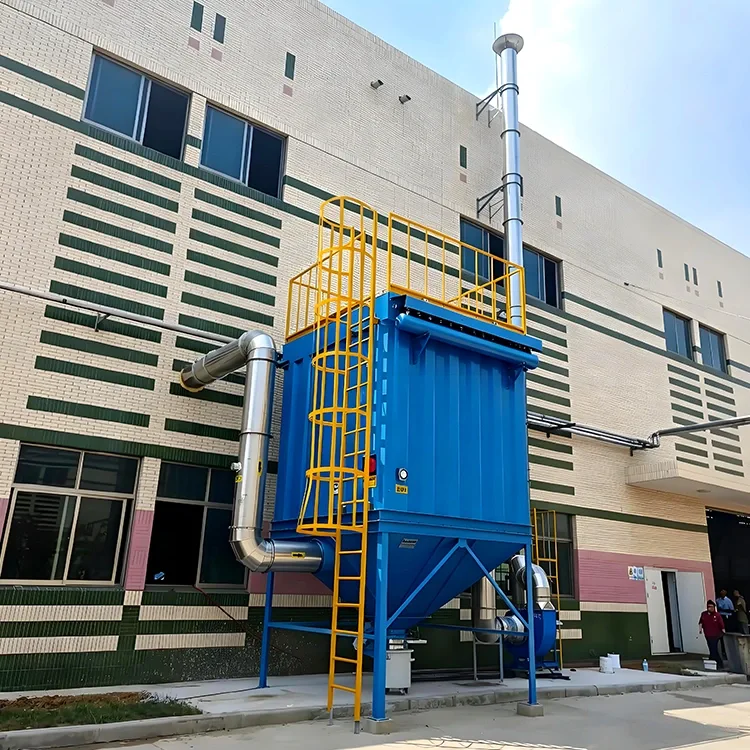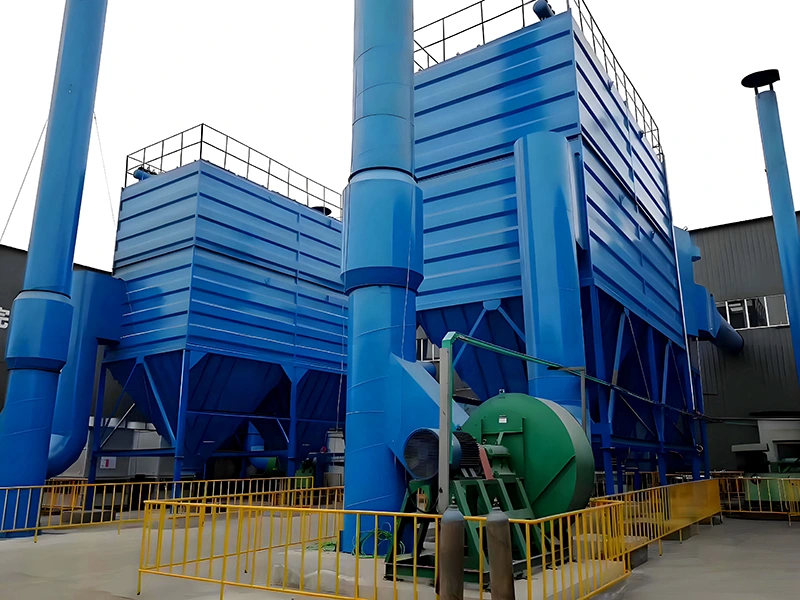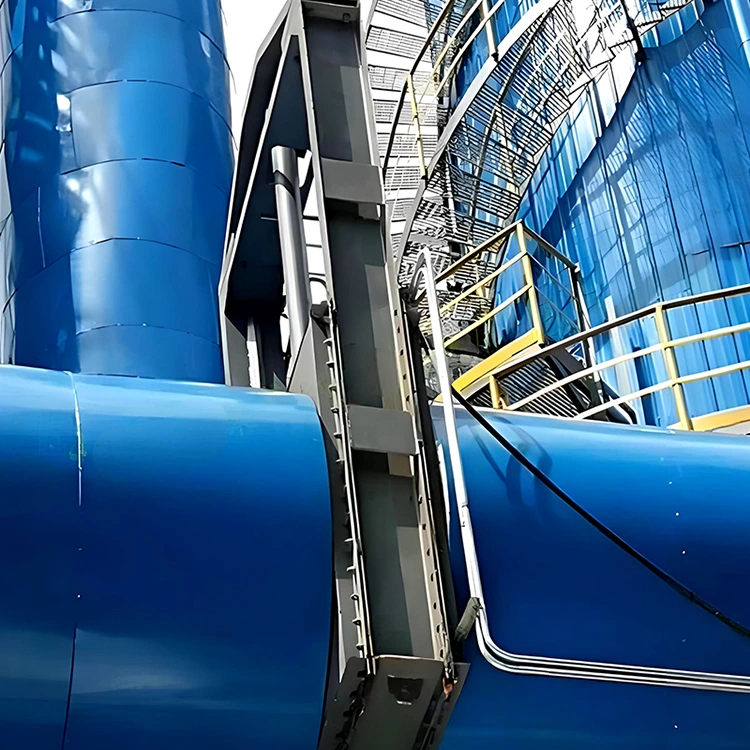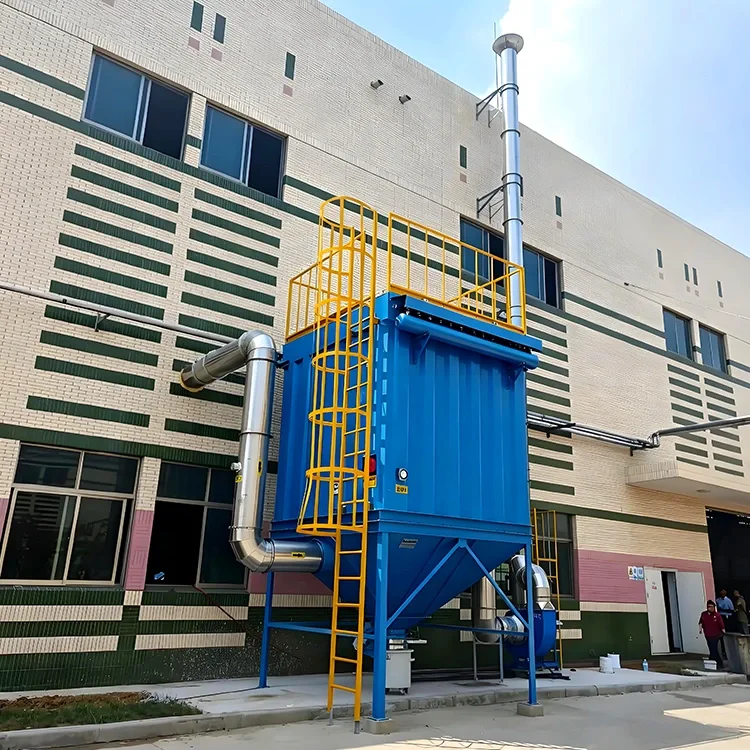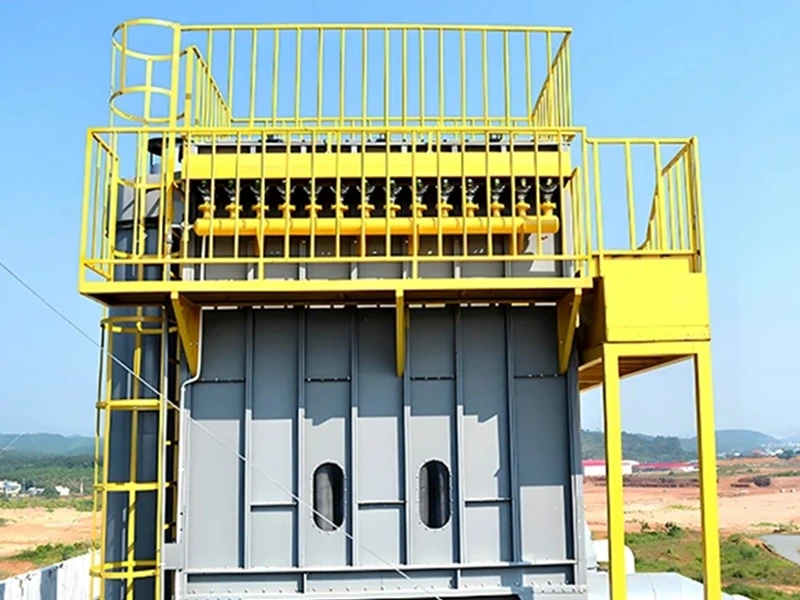

As industrial dust control becomes increasingly important for production safety, product quality, and environmental compliance, Jiangteng provides the Cartridge Dust Collector as a high-efficiency solution for capturing fine particles, improving workshop air quality, and supporting stable industrial operations. With customizable airflow capacity, intelligent pulse-jet cleaning, and compact structural design, this equipment can be adapted to different dust-generating processes.
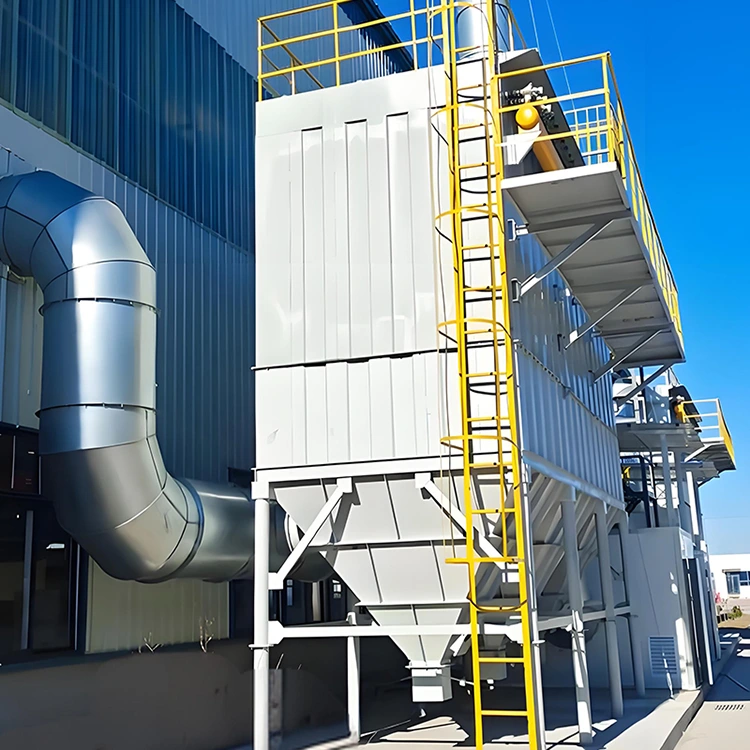
A cartridge dust collector is an industrial air filtration system designed to separate dust and particulate matter from contaminated air before clean air is discharged. Compared with traditional dust collection equipment, cartridge-based systems can provide high filtration efficiency while occupying less installation space. Jiangteng's solution combines membrane-coated filter cartridges, optimized airflow distribution, pulse-jet cleaning, and intelligent controls to provide a practical approach to continuous dust removal. Depending on the application, the system can handle airflow capacities from 1,000 m³/h to 130,000 m³/h, with filtration efficiency reaching up to 99.90%. This makes cartridge filtration suitable for metalworking, welding, woodworking, chemical processing, food production, building materials, mining, and other industries where airborne dust must be effectively controlled.
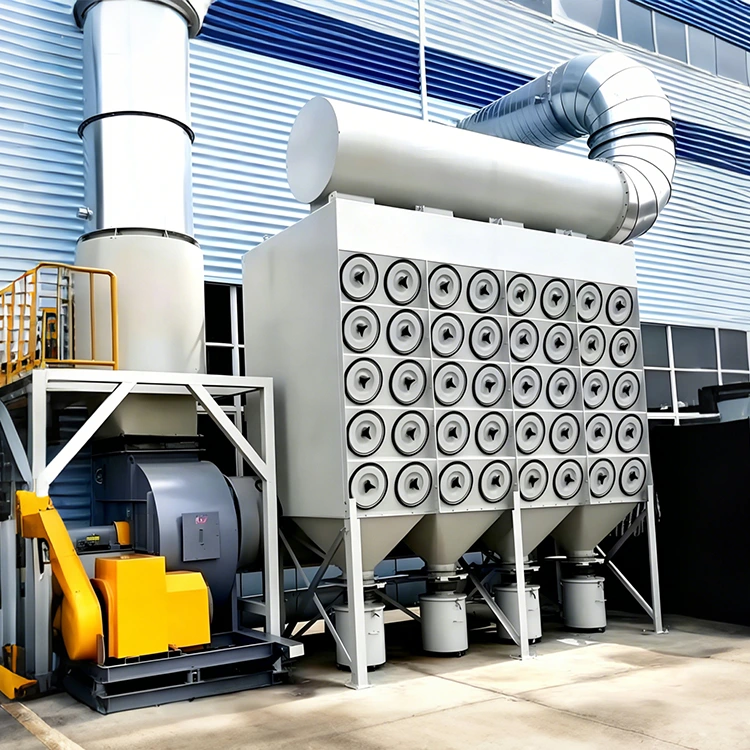
Table of Contents
- What Is a Cartridge Dust Collector?
- How Does a Cartridge Dust Collector Work?
- What Are the Key Benefits?
- Where Are Cartridge Dust Collectors Used?
- How Should You Select the Right System?
- Cartridge Dust Collector Specifications
- Maintenance Considerations for Long-Term Performance
- Frequently Asked Questions
- Why Choose a Customized Dust Collection Solution?
What Is a Cartridge Dust Collector?
A cartridge dust collector is a mechanical filtration system that removes suspended particles from industrial air streams. Instead of using long fabric filter bags, it uses cylindrical filter cartridges with a large effective filtration area in a relatively compact housing.
During operation, dust-containing air enters the collector and passes through the filter media. Dust particles are captured on the filtration surface while cleaner air passes through the cartridges. The collected material is then periodically removed through a pulse-jet cleaning process and discharged into a collection hopper.
Modern cartridge collectors are particularly useful when manufacturers need high filtration efficiency but have limited installation space. Jiangteng's equipment uses membrane-coated filter cartridges and can achieve filtration efficiency of up to 99.9%, including applications involving fine dust particles. The equipment can also be configured according to different dust characteristics, airflow requirements, and working environments.
How Does a Cartridge Dust Collector Work?
Understanding the working principle is important when evaluating dust collection equipment because filtration performance depends on the interaction between airflow, filter media, cleaning frequency, and dust properties.
- Dust-Laden Air Intake: Dust-containing air generated by production equipment is directed into the dust collector through a connected ducting system.
- Particle Filtration: The air passes through the cartridge filter media. Dust particles are retained on the filtration surface while cleaner air continues through the system.
- Pressure Monitoring: Differential pressure is monitored to determine the condition of the filter cartridges and the need for cleaning.
- Pulse-Jet Cleaning: High-pressure compressed air is released through pulse valves to dislodge accumulated dust from the cartridge surface.
- Dust Collection: The removed dust falls into the hopper and is discharged through the dust removal mechanism for centralized handling.
This cleaning method allows the filtration process to continue without requiring frequent shutdowns for manual filter cleaning. Jiangteng also supports zoned cleaning to help reduce compressed-air consumption while maintaining effective dust removal.
What Are the Key Benefits?
High Filtration Efficiency
One of the most important performance indicators is filtration efficiency. Jiangteng's cartridge dust collection equipment can reach up to 99.90% efficiency, helping industrial facilities control fine airborne particles and reduce the risk of excessive dust emissions.
Compact Equipment Design
Cartridge filters provide a large filtration surface within a compact structure. According to Jiangteng's product information, its equipment can occupy approximately 30% to 50% less floor space than traditional systems with comparable air-handling capacity. This can be valuable when installing dust control equipment in an existing production facility.
Efficient Pulse-Jet Cleaning
Continuous dust accumulation can increase system resistance and reduce filtration performance. Pulse-jet cleaning periodically removes accumulated dust and helps restore the effective filtration capacity of the cartridges.
Reduced Maintenance Work
Quick-release filter cartridges simplify replacement procedures, while intelligent control systems can monitor parameters such as differential pressure and temperature. This helps maintenance teams identify abnormal operating conditions before they develop into more serious problems.
Flexible Filter Media Selection
Different production processes generate different types of dust. Jiangteng can provide options including membrane-coated polyester, anti-static filter media, and high-temperature-resistant materials such as PTFE and fiberglass. The appropriate filter media should be selected according to dust composition, temperature, humidity, and process conditions.
Where Are Cartridge Dust Collectors Used?
A cartridge dust collector can be used across a broad range of manufacturing and processing environments. However, the equipment configuration should always be matched to the actual dust characteristics and process conditions.
- Metalworking and Welding: Captures metal dust, grinding particles, cutting debris, and welding fumes.
- Woodworking and Furniture Manufacturing: Handles sawdust and fine wood particles generated by cutting, sanding, and machining.
- Chemical and Plastics Processing: Provides dust control for powder and particulate materials where specialized filter media may be required.
- Food and Pharmaceutical Production: Can be configured with appropriate materials and hygienic considerations for controlled production environments.
- Building Materials: Helps control dust from crushing, screening, mixing, and material handling processes.
- Mining and Mineral Processing: Supports high-airflow dust collection for processes that generate substantial quantities of particulate matter.
For processes involving combustible dust, corrosive substances, or high-temperature gases, additional engineering measures may be necessary. These can include anti-static filter cartridges, explosion protection components, thermal insulation, or corrosion-resistant construction.
How Should You Select the Right System?
Choosing a cartridge dust collector should not be based on airflow capacity alone. A reliable selection process considers the complete operating environment.
- Determine Required Airflow: Calculate the airflow required for all dust-generation points and connected production equipment.
- Identify Dust Characteristics: Consider particle size, concentration, temperature, moisture, abrasiveness, and chemical properties.
- Select Appropriate Filter Media: Choose the filter material according to the dust type and operating temperature.
- Evaluate Available Space: Check equipment dimensions, ducting routes, maintenance clearance, and hopper access.
- Consider Cleaning Requirements: Pulse-jet cleaning parameters should correspond to the dust load and filter configuration.
- Review Safety Requirements: Combustible or hazardous dust may require additional protection and process-specific engineering.
- Plan for Maintenance: Ensure replacement cartridges and service access are convenient for the maintenance team.
Working with an experienced industrial dust collection manufacturer can make this process more efficient because system capacity, filtration area, filter media, fan requirements, and control configuration can be evaluated together rather than separately.
Cartridge Dust Collector Specifications
Jiangteng provides multiple configurations to accommodate different airflow requirements. The following specifications summarize the main product parameters and representative models.
| Parameter | Specification |
|---|---|
| Airflow Capacity | 1,000–130,000 m³/h |
| Filter Area | 20–1,000 m² |
| Flue Gas Temperature | -30°C to 200°C |
| Emission Concentration | 10–50 mg/Nm³ |
| Motor Power | 2.2–120 kW |
| Equipment Length | 0.8–10 m |
| Dust Collector Efficiency | Up to 99.90% |
Representative cartridge configurations range from the CJT-HZ-12 with 12 filter cartridges and approximately 8,000–10,000 m³/h airflow capacity to the CJT-HZ-160 with 160 cartridges and approximately 100,000–130,000 m³/h airflow capacity. The standard cartridge specification listed for these models is φ350 × 660 mm, with approximately 11 m² filtration area per cartridge.
| Model | Airflow Capacity | Filter Cartridges | Total Filtration Area | Efficiency |
|---|---|---|---|---|
| CJT-HZ-12 | 8,000–10,000 m³/h | 12 | 132 m² | 99.9% |
| CJT-HZ-24 | 16,500–21,000 m³/h | 24 | 264 m² | 99.9% |
| CJT-HZ-48 | 33,000–40,000 m³/h | 48 | 528 m² | 99.9% |
| CJT-HZ-80 | 55,000–70,000 m³/h | 80 | 880 m² | 99.9% |
| CJT-HZ-128 | 80,000–100,000 m³/h | 128 | 1,408 m² | 99.9% |
| CJT-HZ-160 | 100,000–130,000 m³/h | 160 | 1,760 m² | 99.9% |
Maintenance Considerations for Long-Term Performance
Proper maintenance directly influences filter life, airflow stability, energy consumption, and overall equipment reliability. Although cartridge systems are designed for relatively convenient maintenance, operators should establish a routine inspection program.
- Monitor differential pressure regularly and investigate abnormal increases.
- Inspect pulse valves and compressed-air supply for stable cleaning performance.
- Check filter cartridges for damage, deformation, or excessive dust loading.
- Keep the dust hopper and discharge mechanism clear to prevent material accumulation.
- Inspect seals, access doors, and duct connections for potential air leakage.
- Monitor fan performance and motor operating conditions.
- Replace filter cartridges when their condition or operating resistance indicates that replacement is necessary.
Under normal operating conditions and appropriate maintenance, Jiangteng indicates that filter cartridges can typically achieve a service life of approximately one to two years or longer. Actual service life depends on dust concentration, particle characteristics, temperature, humidity, cleaning settings, and operating hours.
Frequently Asked Questions
What is the main advantage of a cartridge dust collector?
Its main advantages include high filtration efficiency, compact equipment design, convenient filter replacement, and effective pulse-jet cleaning. These characteristics make cartridge systems suitable for facilities that require reliable dust control but have limited installation space.
How do I determine the required airflow capacity?
Required airflow depends on the number and type of dust-generation points, production equipment, extraction hood design, ducting arrangement, and workshop conditions. A professional system supplier can evaluate these factors and recommend an appropriate airflow range.
How often should cartridge filters be replaced?
Under normal operating conditions, filter cartridges may typically last around one to two years or longer. However, replacement should be based on actual operating conditions, filter condition, and changes in system resistance rather than a fixed calendar schedule.
Can cartridge dust collectors handle high-temperature dust?
Yes, provided that the equipment and filter media are properly selected. Jiangteng lists an operating flue gas temperature range of approximately -30°C to 200°C and can provide high-temperature-resistant filter media for suitable applications.
Can the system be customized for combustible dust?
Customized configurations are available for applications requiring additional safety measures. Depending on the process, options can include anti-static filter cartridges, explosion vents, explosion-proof motors, and other protective components.
Why Choose a Customized Dust Collection Solution?
Effective industrial dust control requires more than simply installing a filter unit. Airflow capacity, filtration area, dust characteristics, filter media, cleaning technology, fan selection, installation space, and safety requirements all influence the final performance of a dust collection system. A correctly configured cartridge dust collector can help manufacturers maintain cleaner production environments while controlling emissions, reducing maintenance demands, and supporting more stable operation.
Jiangteng provides customizable dust collection equipment for different industrial applications, including metalworking, woodworking, chemicals, plastics, food processing, building materials, and mining. Its cartridge dust collectors combine compact construction, high-efficiency filtration, pulse-jet cleaning, intelligent monitoring, and multiple filter media options to address different production requirements.
If you are planning a new dust collection system, upgrading an existing installation, or need help selecting airflow capacity and filter configuration, contact us for a customized equipment recommendation, technical consultation, installation layout, and quotation. A properly engineered solution can make dust control more efficient, practical, and economical over the entire operating life of the equipment.