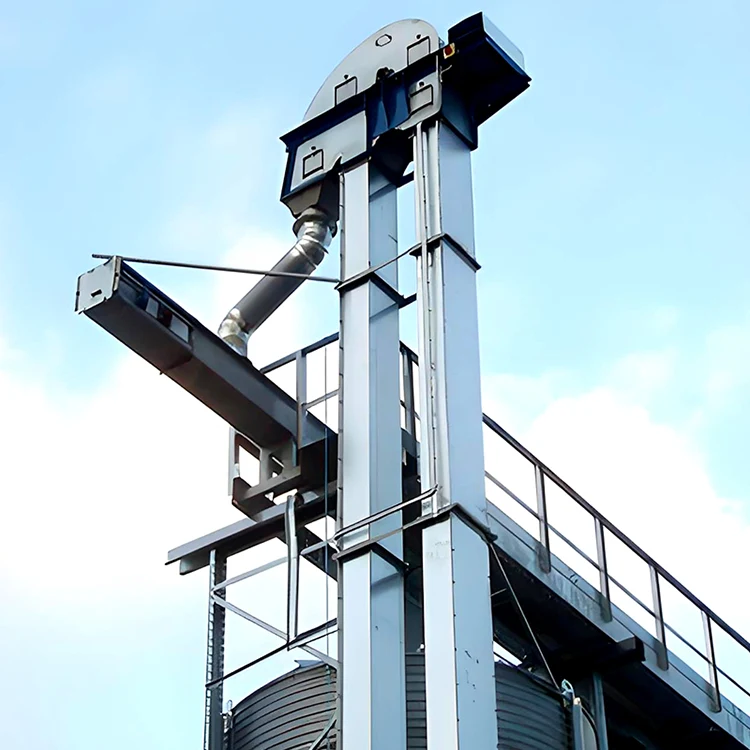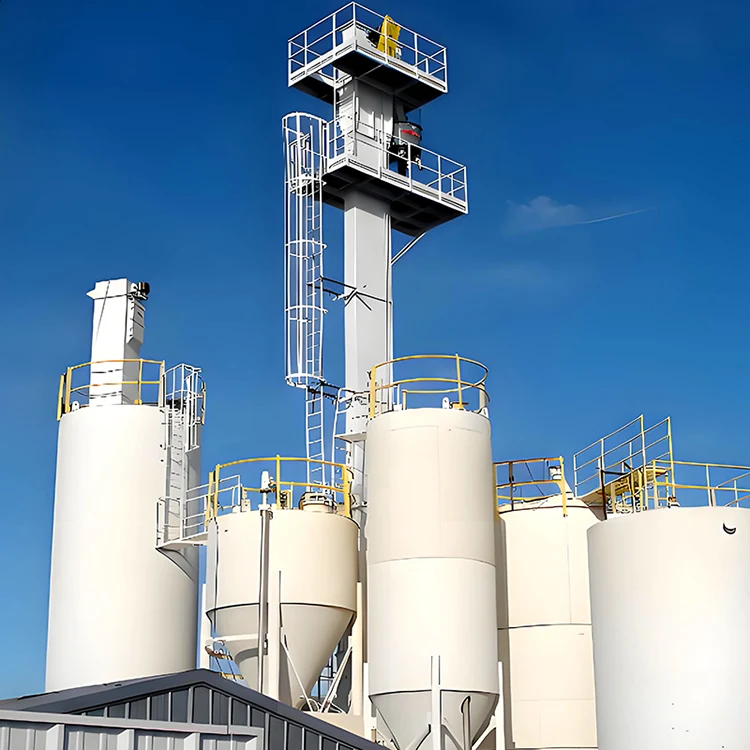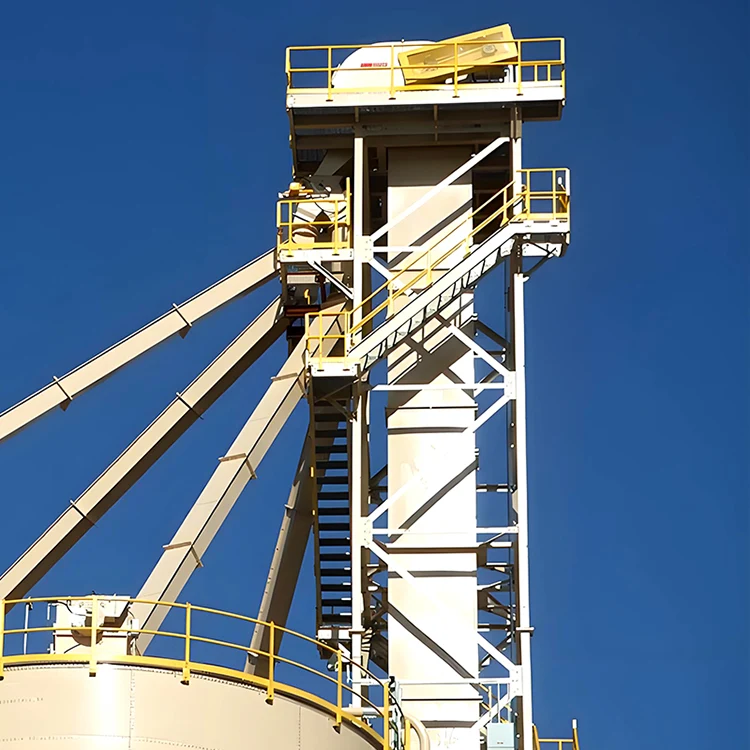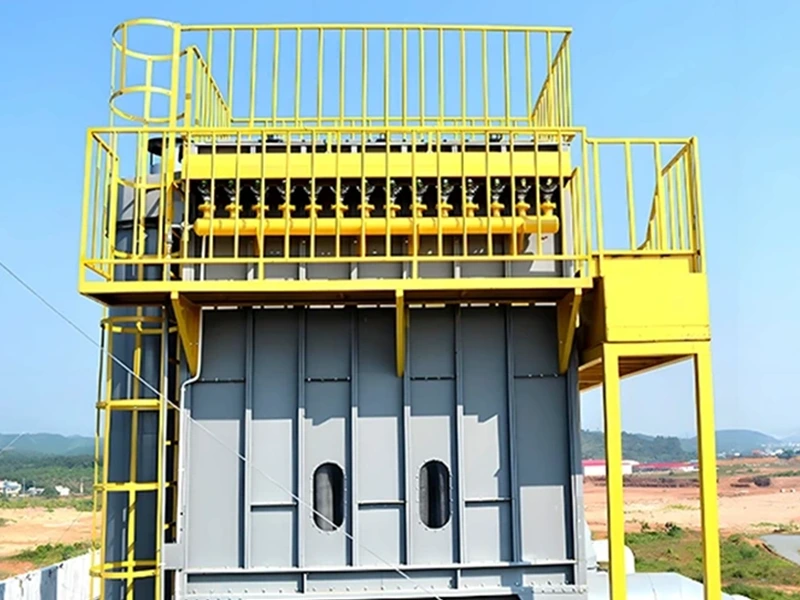

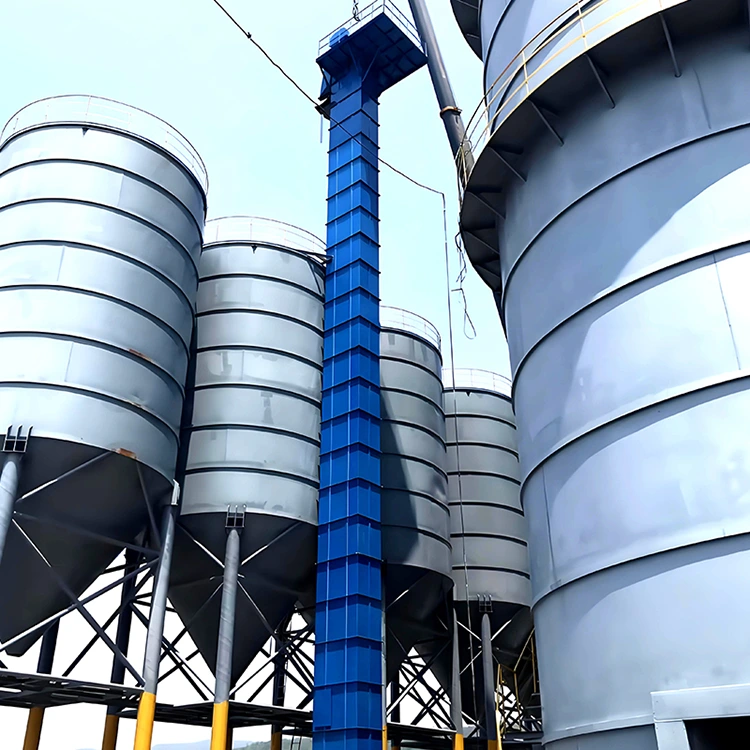
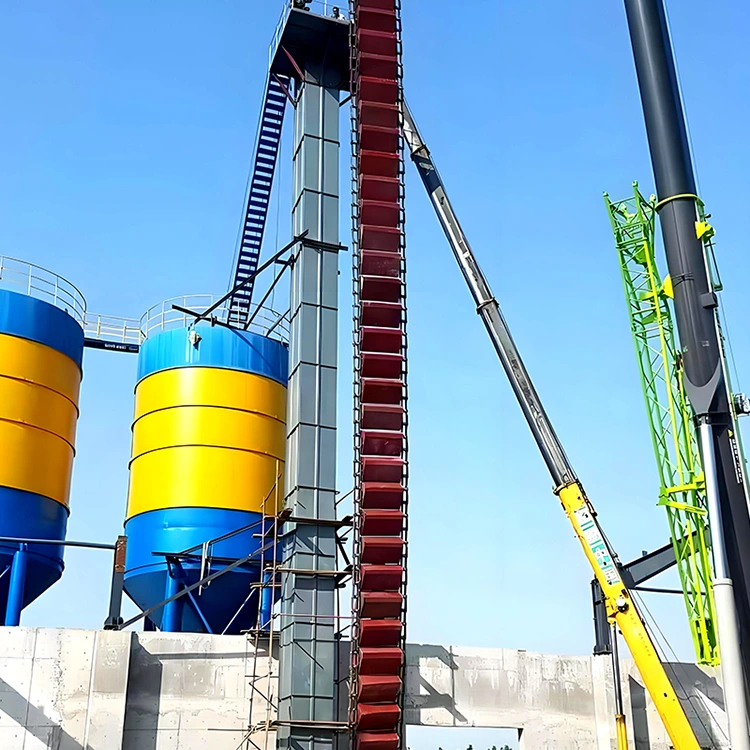
Bucket Elevator for Cement Plant
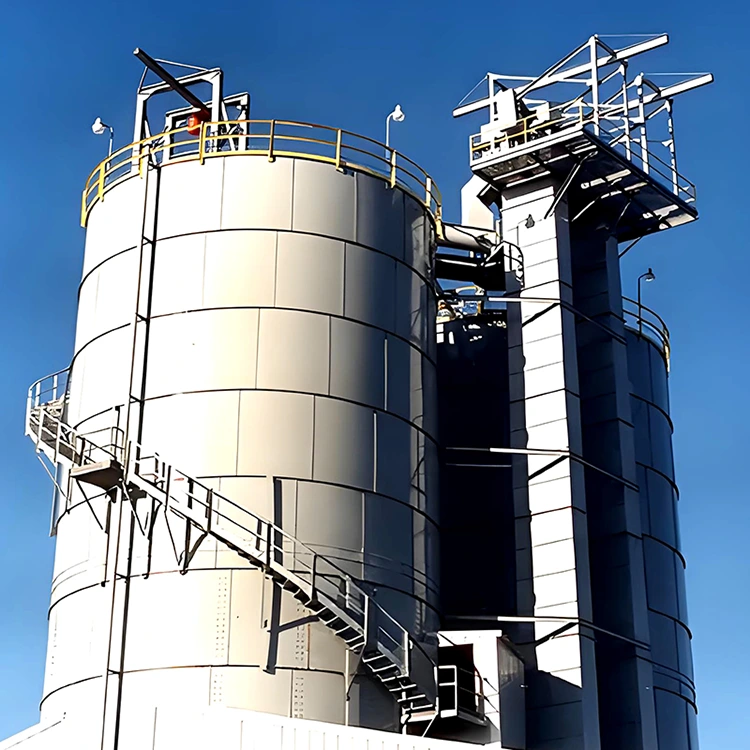
As a specialized manufacturer from China, Jiangteng offers bucket elevator for cement plant. The units are ideal for the continuous, high-volume transport of bulk materials; featuring robust traction components and a well-configured bucket layout, they offer low energy consumption, stable operation, and ease of maintenance.
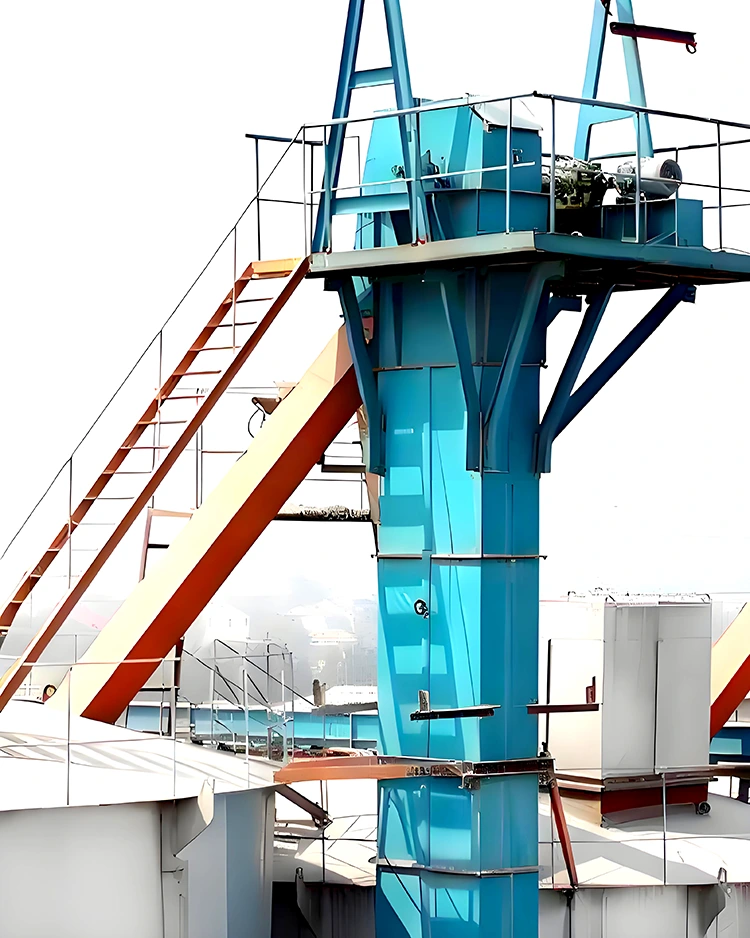
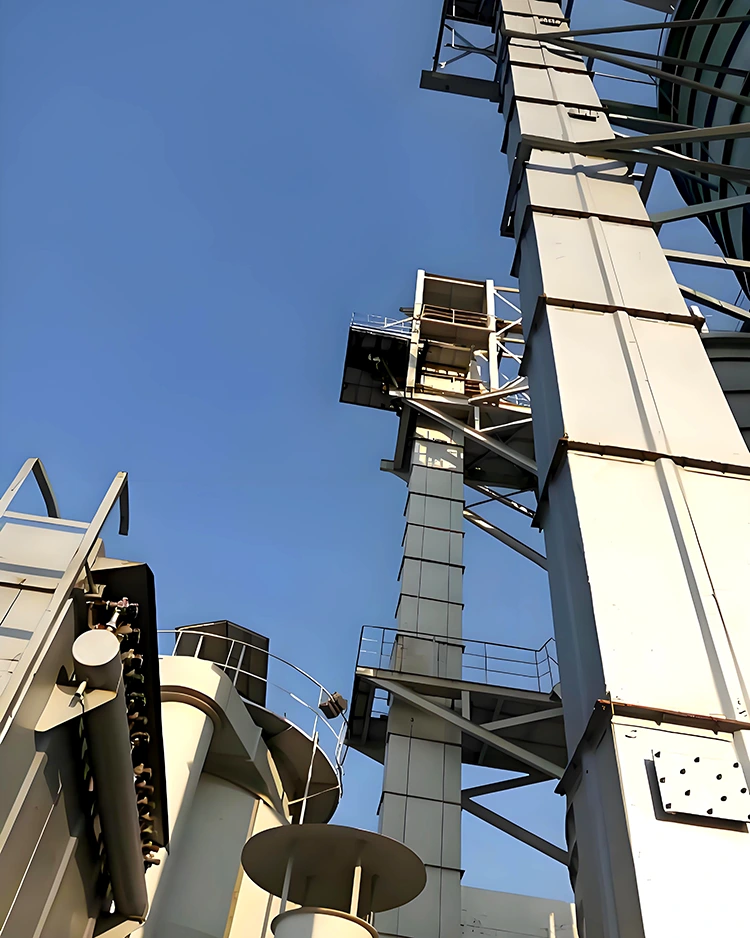
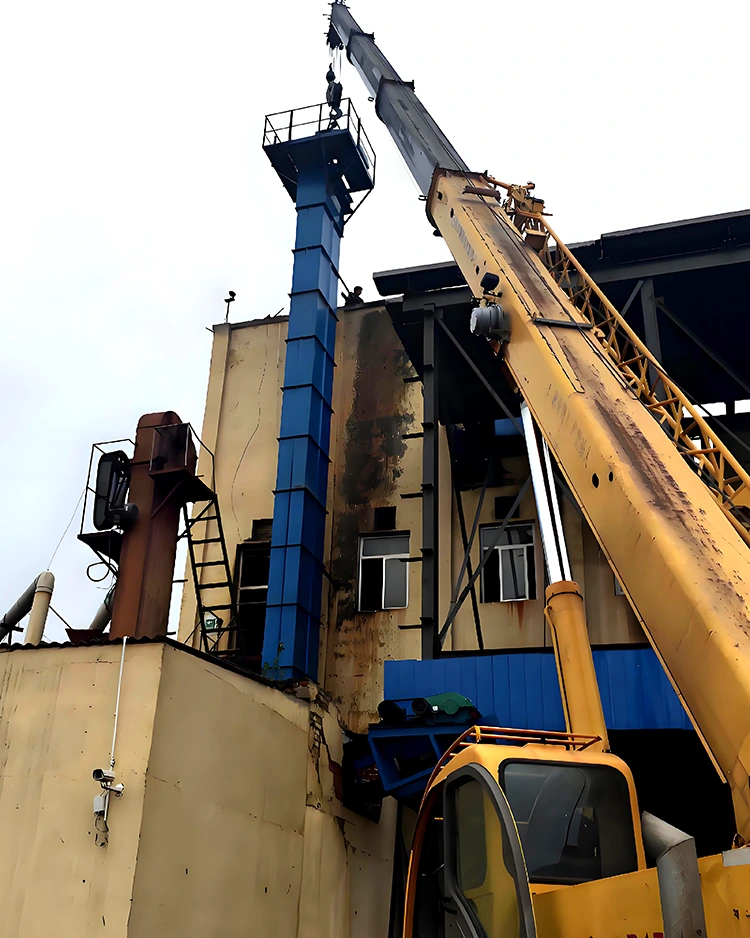
The bucket elevator for cement plants is designed to transport powdery, granular, or small-lump materials from lower to higher elevations, thereby boosting production efficiency. It is widely used in industries such as cement, building materials, chemicals, grain processing, and mining.
How Does a Bucket Elevator Work?
The process within a cement plant bucket elevator operates in a continuous cycle, enabling fully automated vertical transport:
1. Smooth Infeed: Material flows or is scooped evenly into the moving buckets at the bottom inlet.
2. Sealed Lifting: Fully loaded buckets travel vertically upward within a robust casing; the entire process is sealed to prevent leakage.
3. Clean Discharge: Upon reaching the top, material is discharged naturally and thoroughly into the outlet via centrifugal force or gravity.
4. Empty Return: Empty buckets return smoothly to the bottom along the opposite side to begin the next cycle.
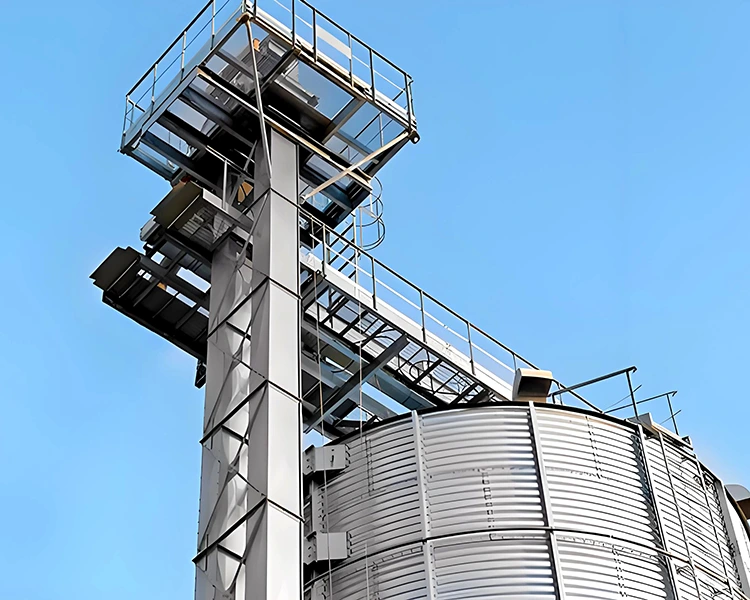
Product Structure
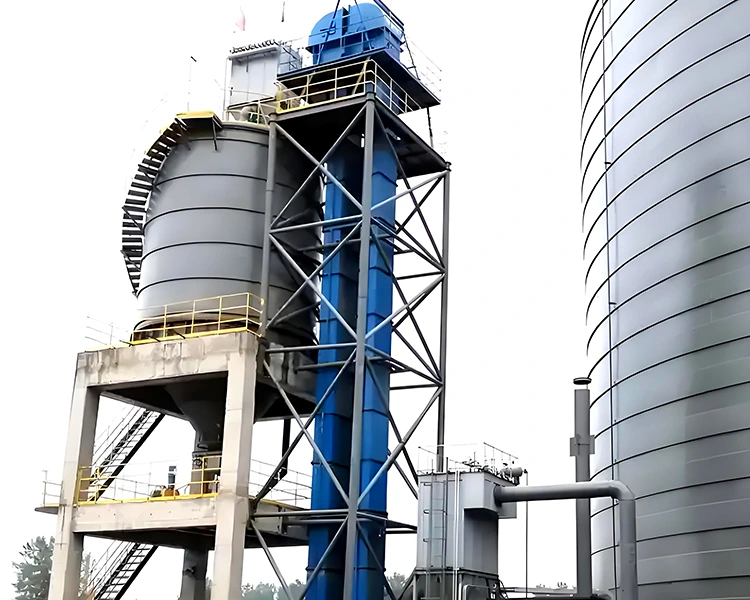
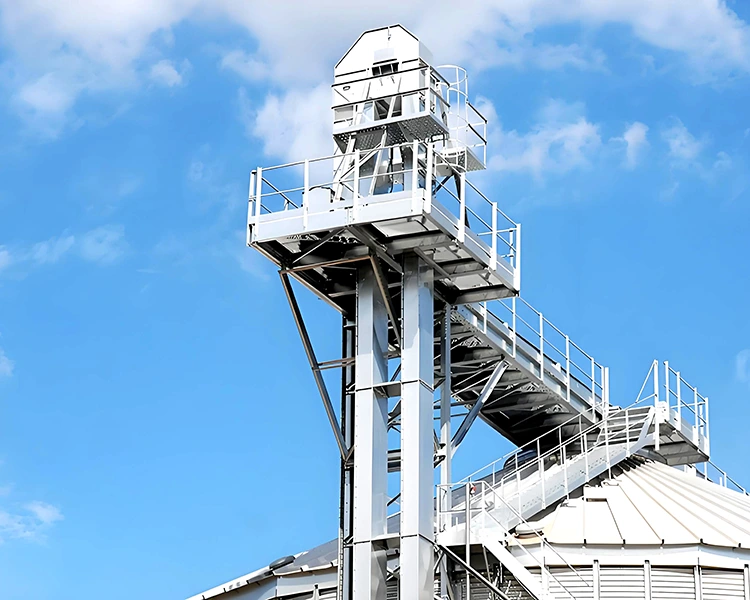
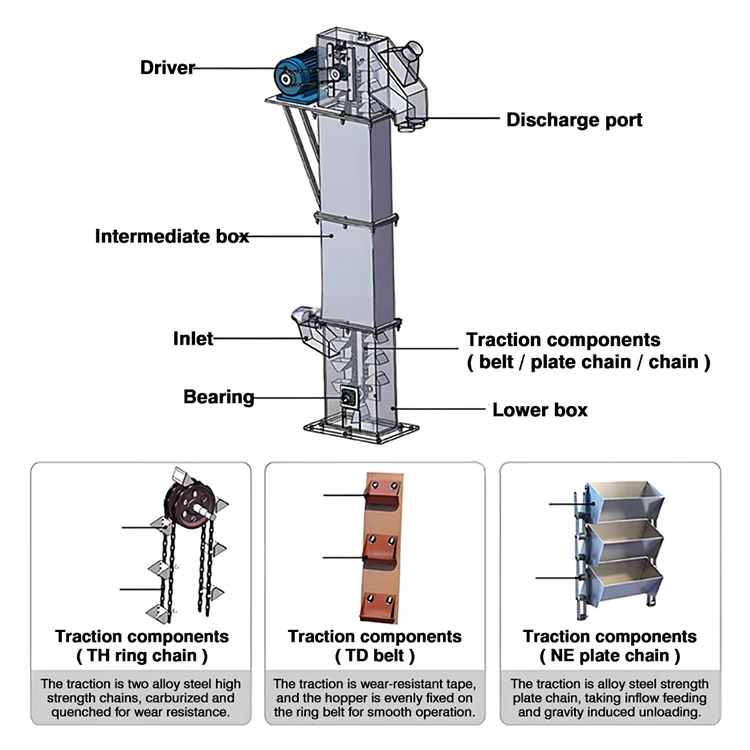
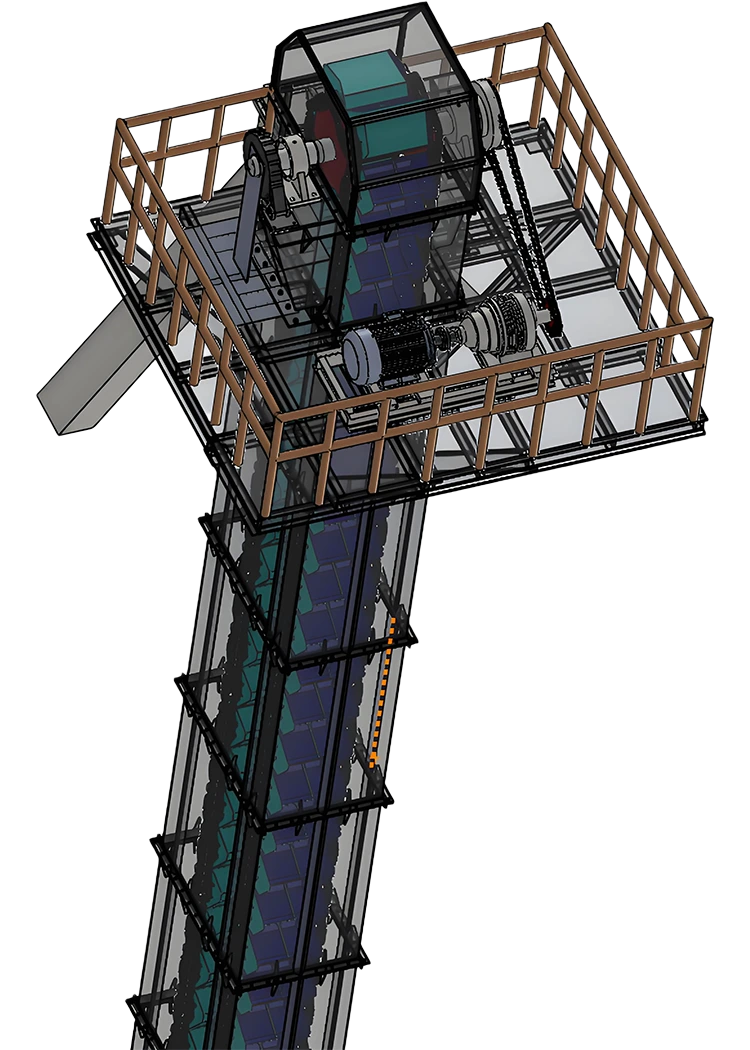
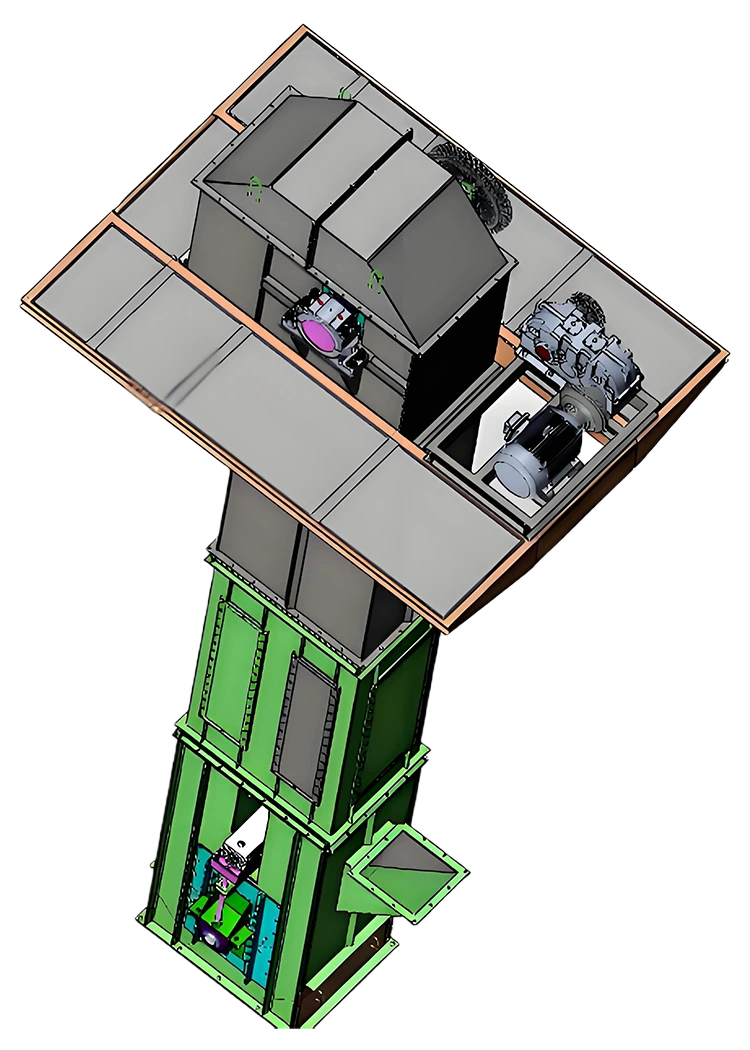
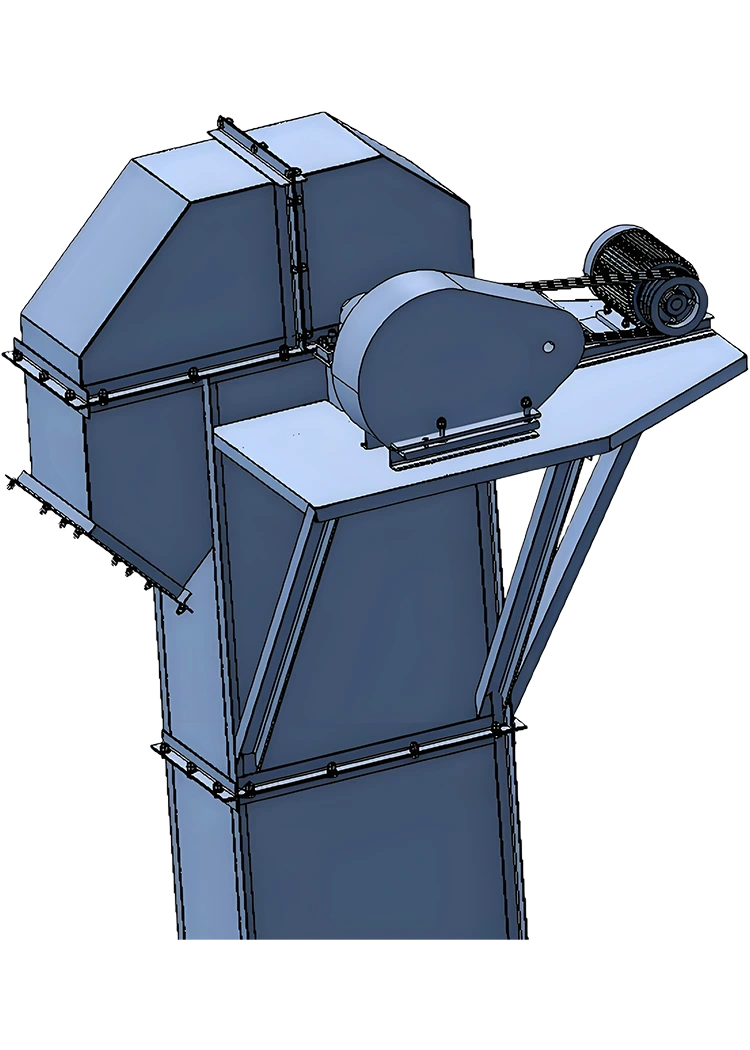
● Casing: Sectional box-type structure offering high rigidity and excellent sealing; internal guide mechanisms can be installed.
● Core Operating Components: A combination of high-strength buckets (made of steel or special materials) and premium traction elements (belts or chains).
● Drive Unit: Comprising a motor, gearbox, and fluid coupling (or other flexible drive mechanism) to ensure smooth startup; certain models feature a slow-speed maintenance drive and a backstop.
● Intelligent Tensioning System: An automatic or manual tensioning device located at the bottom maintains optimal tension, preventing slippage or jumping.
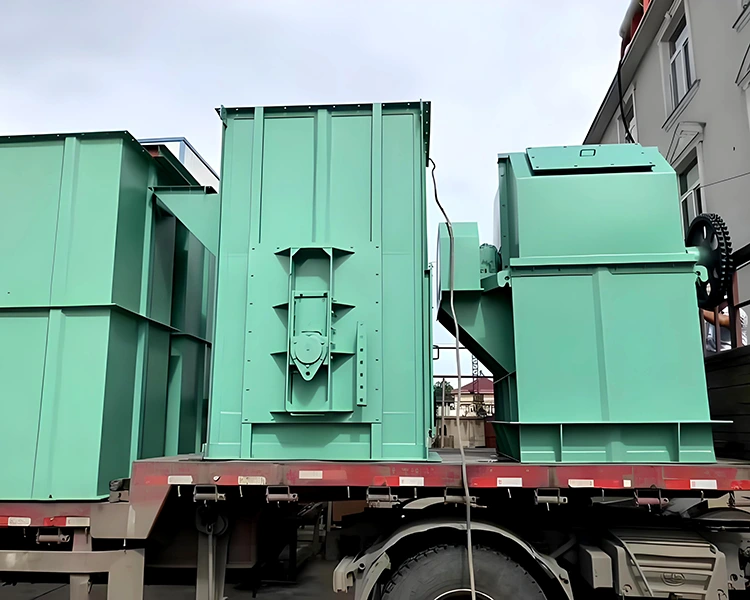
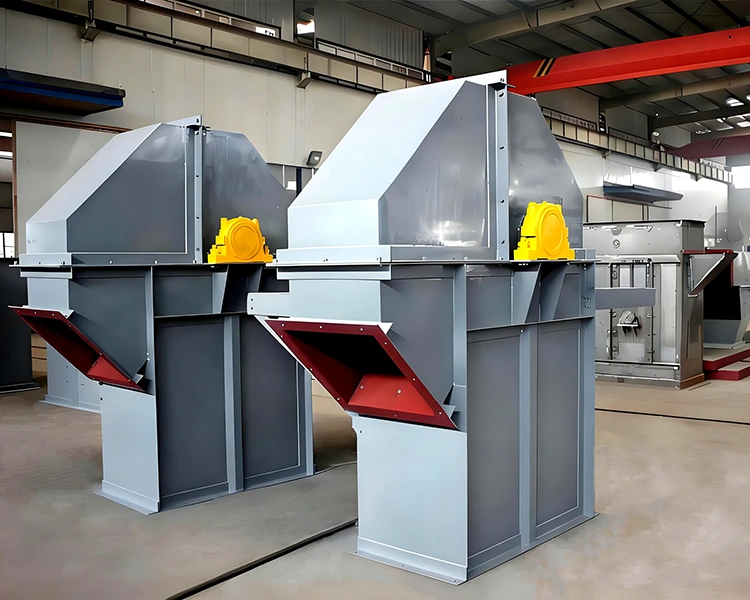
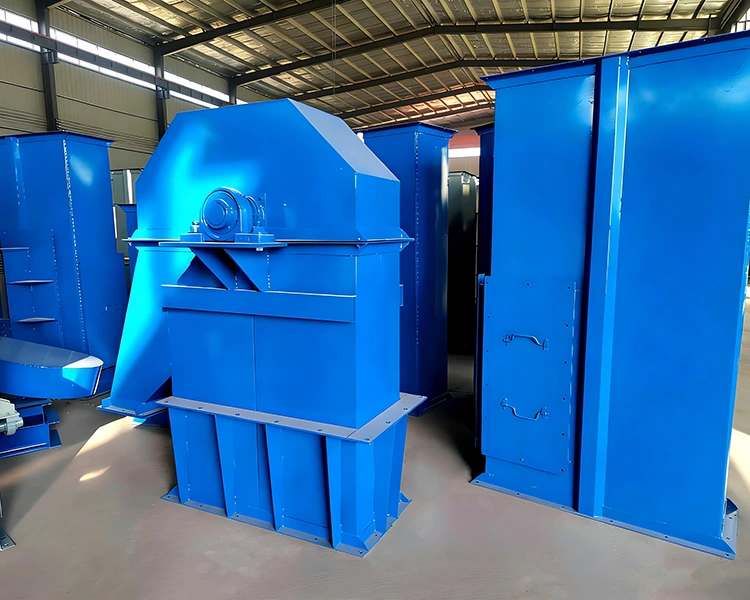
Core Advantages
1. Energy Efficiency and Consumption Reduction
The bucket elevator for cement plants utilizes an optimized drive system and low-resistance operating components, reducing energy consumption by up to 30% compared to traditional elevators.
The equipment features a stable structure and a low failure rate (≤2% annually), thereby lowering maintenance costs.
2. Robustness and Durability
Core traction components (steel-cord belts, high-strength plate chains, or round-link chains) are made from wear-resistant and fatigue-resistant materials.
The casing features an excellent sealing design that prevents dust and material leakage, ensuring environmental compliance and minimizing waste.
It handles materials with temperatures up to 250°C and accommodates materials with varying moisture levels.
3. Stable and Reliable Operation
Equipped with belt-misalignment protection, backstops, and heavy-duty bearings, it eliminates the risk of sudden shutdowns and ensures the continuous, stable operation of the production line.
Low-speed, heavy-load designs are available upon request; these virtually eliminate material back-flow, enhancing efficiency while reducing noise levels.
4. High Customizability
We offer a wide range of models with conveying capacities from 15 to 800 m³/h and lifting heights of up to 100 meters.
Customized solutions are available based on specific material characteristics (particle size, moisture, abrasiveness), lifting height, site constraints, and special environmental requirements (explosion-proof, food-grade, high-temperature). This includes adjustments to buckets, casing materials, and drive configurations.
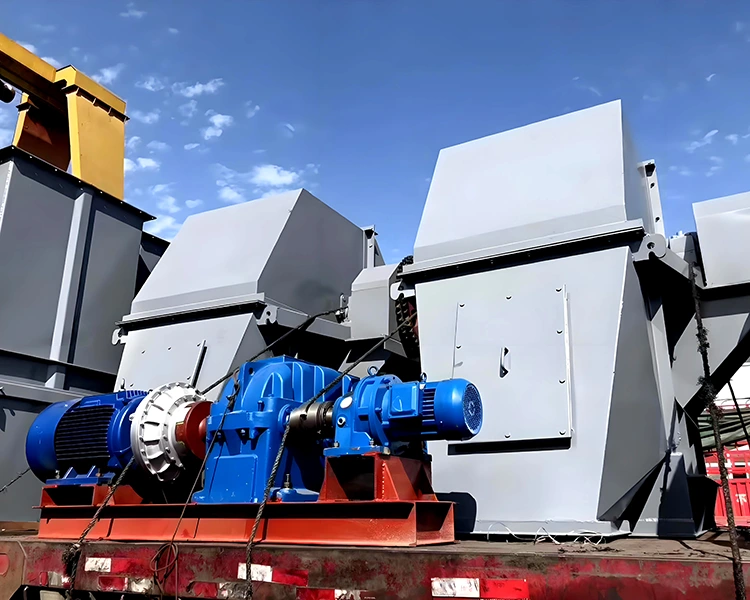
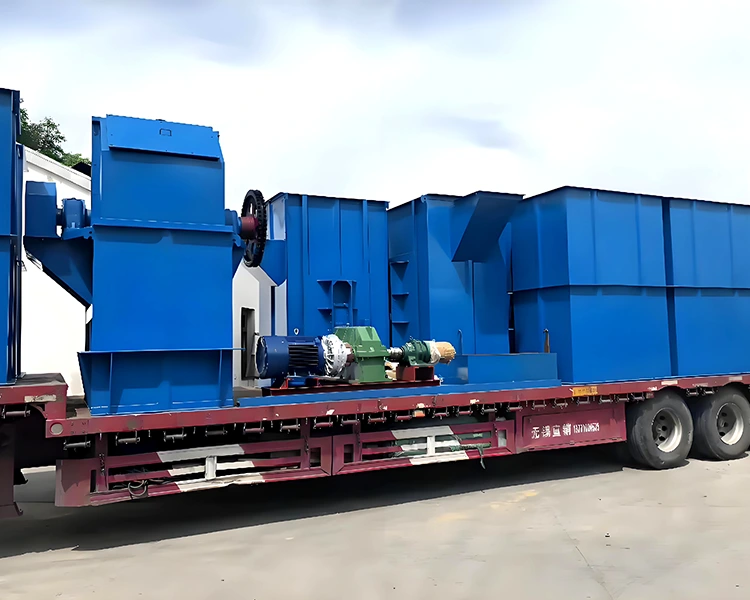
Jiangteng Product Series
|
Model |
Traction Element Type |
Key Features and Advantages |
Suitable materials for conveying |
|
TG Series |
Steel-cord conveyor belt |
Offers a high lifting height (up to 100m), smooth operation, and outstanding energy efficiency. Features a high-toughness, low-elongation belt and allows for easy maintenance. |
Powdery, granular, and small-lump materials (≤ 30 mm) with temperatures <120 ° C, such as grain, chemical fertilizers, and plastic pellets. |
|
NE Series |
Slat chain |
Supports a wide range of conveying capacities (15– 800 m ³ /h) and offers excellent wear resistance. Fully enclosed design with minimal material back-spillage and low noise levels; suitable for medium-to-large, abrasive, lump materials. |
Materials such as limestone, cement clinker, gypsum, and lump coal with temperatures≤ 250 ° C. |
|
TH Series |
Round-link chain |
Sturdy structure with high-temperature resistance. Utilizes an assembled sprocket design where the rim can be replaced independently after wear, resulting in lower maintenance costs. |
Powdery, granular, and small-lump materials; suitable for a wide temperature range (≤ 250 ° C). |
|
TB Series |
Slat chain |
Employs gravity-induced discharge, requiring low drive power and resulting in minimal energy consumption. Energy consumption for lifting the same volume of material is approximately one-third to one-half that of round-link chain systems, offering excellent cost-efficiency. |
Medium-to-large lump abrasive materials with a bulk density <2 t/m³ and temperatures ≤ 250 ° C. |
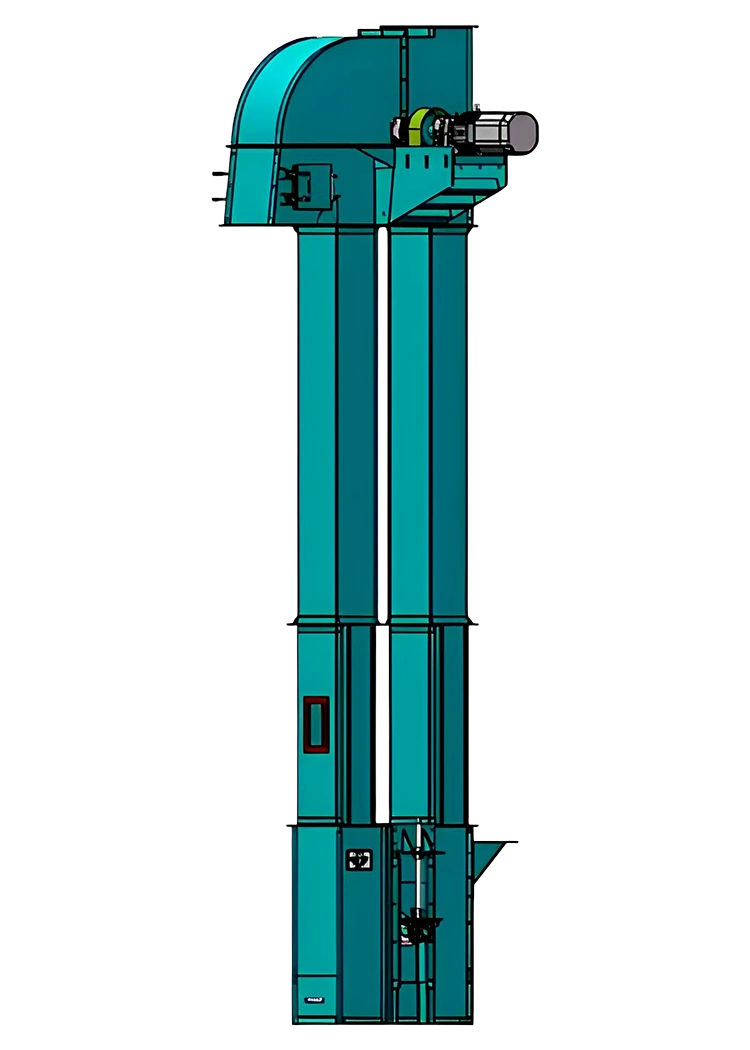
Product Specifications
|
Plate Chain Bucket Elevator |
|
|
Lifting capacity |
15-300m³/h |
|
Chain speed |
0.5m/s |
|
Lifting height |
5-50m |
|
Temperature |
≤250°C |
|
High-temperature type |
300-600°C |
|
Chain configuration |
Plate chain type |
|
Chain material |
40Cr, heat-treated, material can be customized |
|
Hopper type |
Medium-deep bucket, deep bucket |
|
Feeding method |
Flow-through feeding |
|
Unloading method |
Gravity-Induced discharge |
|
Plate Chain Bucket Elevator |
||||||
|
Model |
Lifting capacity |
Bucket filling factor (%) |
Bucket volume (m³) |
Gauge |
Fighting speed |
Chain pitch |
|
NE15 |
10 |
70 |
0.0025 |
203.2 |
21 |
101.6 |
|
16 |
31 |
|||||
|
NE30 |
20 |
70 |
0.0078 |
304.8 |
19 |
152.4 |
|
32 |
31 |
|||||
|
NE50 |
35 |
70 |
0.0147 |
304.8 |
19 |
152.4 |
|
60 |
31 |
|||||
|
NE100 |
75 |
70 |
0.0350 |
400 |
22 |
200 |
|
110 |
31 |
|||||
|
NE150 |
120 |
70 |
0.0522 |
400 |
22 |
200 |
|
170 |
31 |
|||||
|
NE200 |
170 |
70 |
0.0846 |
500 |
24 |
250 |
|
230 |
33 |
|||||
|
NE300 |
250 |
70 |
0.1275 |
500 |
24 |
250 |
|
340 |
33 |
|||||
|
NE400 |
310 |
70 |
0.1825 |
600 |
24 |
300 |
|
420 |
33 |
|||||
|
NE500 |
350 |
70 |
0.2080 |
700 |
24 |
300 |
|
480 |
33 |
|||||
|
NE600 |
600 |
70 |
0.1825 |
700 |
30 |
300 |
|
NE800 |
800 |
70 |
0.2080 |
800 |
30 |
300 |
Application Industries
Building Materials: Conveying of cement, clinker, mineral powder, and fly ash.
Chemical Industry: Elevating of fertilizers, plastic pellets, soda ash, and pigments.
Grain and Food: Vertical transport of materials such as paddy rice, wheat, animal feed, and sugar (food-grade stainless steel available).
Mining and Metallurgy: Conveying of raw materials such as ore, coal dust, and sintered ore.
Environmental Protection and Power: Handling of waste materials such as desulfurization gypsum and ash residue.
FAQ
Q: How do I choose the right model for my plant?
A: Please consider three main factors:
1. Material characteristics (name, particle size, moisture content, temperature, abrasiveness)
2. Conveying capacity (tons/hour)
3. Lifting height.
Once you provide this information, Jiangteng’s engineers will recommend a cost-effective solution and can also facilitate material testing.
Q: Is the equipment prone to clogging? How is it maintained?
A: With proper model selection, clogging rarely occurs.
Routine maintenance is simple: regularly check tension, clear any unusual material buildup, and lubricate bearings on schedule.
Key wear parts (such as buckets and chains) are designed for easy replacement to minimize downtime.
Q: What is the service life of the bucket elevator for cement plants?
A: Under normal operation and maintenance, core structural components (such as the casing) can last over 10 years, while wear parts like traction components and buckets typically last 5–8 years, depending on material abrasiveness and usage intensity.
Q: Do you provide custom designs and installation guidance?
A: Yes, non-standard customization is one of Jiangteng’s core services.
Whether you face specific space constraints, extreme operating conditions, or unique automation integration requirements, we provide comprehensive support—from design and manufacturing to installation guidance.
Safety and Operating Guidelines
Safety is always the top priority. Our equipment is designed in accordance with strict safety standards, and we recommend the following:
● Ensure operation and maintenance are performed by trained personnel.
● Strictly adhere to the principle of starting and stopping under no-load conditions.
● Regularly inspect safety devices (such as backstops and limit switches) to ensure they are functioning correctly.
● Strictly prohibit climbing on the equipment or touching moving parts during operation, and keep the surrounding area clean and tidy.
Hot Tags: Bucket Elevator for Cement Plant, Cement Plant Bucket Elevator, Cement Bucket Elevator
Send Inquiry
Contact Info
-
Address
No. 217, West Development Road, Yangzhou High-tech Industrial Development Zone, Jiangsu Province, China
-
Tel
-
Whether you are looking for pricing or just have a question about dust collectors, our experts are ready to assist you. If you know exactly what you need and you have all the required information for a quote, please choose the appropriate form below. If not, fill out the general contact form, and our experts will contact you within 1 hour concerning your request.